AI Marketing Strategies For High Conversion Rates Unveiled
AI Marketing Strategies For High Conversion Rates sets the stage for an exciting exploration into the transformative power of artificial intelligence in the marketing world. As businesses increasingly seek ways to enhance their effectiveness and reach, AI has emerged as a game-changer, unlocking new avenues for understanding customer behavior and preferences. This overview delves into how AI not only reshapes traditional marketing methods but also drives higher conversion rates through data-driven insights and personalized experiences.
From recognizing emerging trends to implementing robust AI tools, the discussion reveals the critical role these strategies play in contemporary marketing landscapes, demonstrating the importance of adapting to technological advancements for optimal results.
Importance of AI in Marketing
Artificial Intelligence (AI) is revolutionizing how businesses approach marketing by offering unparalleled insights and capabilities. The integration of AI into marketing strategies allows companies to leverage data analytics, automate processes, and enhance customer experiences, leading to improved conversion rates and optimized campaigns. As a result, businesses are not only able to keep pace with market demands but can also anticipate trends and consumer behavior more accurately.AI plays a pivotal role in transforming marketing strategies through the use of advanced algorithms that analyze consumer data.
This technology enables marketers to identify patterns in consumer behavior, preferences, and purchasing habits. By harnessing machine learning and predictive analytics, AI enhances customer segmentation, allowing for more tailored marketing efforts and messaging that resonates with specific audience groups. Moreover, AI-powered tools can optimize ad placements and content delivery, ensuring that marketing efforts reach the right audience at the right time.
Enhancement of Customer Understanding and Targeting
Understanding customers is crucial for effective marketing, and AI significantly enhances this capability. By employing natural language processing and machine learning algorithms, businesses can decode vast amounts of customer data, extracting valuable insights into their preferences and behaviors. This data-driven approach facilitates the development of more targeted marketing strategies, leading to higher engagement rates. For example, AI can analyze interactions across various touchpoints, including social media, website visits, and email engagements, to build comprehensive customer profiles.
These profiles enable marketers to create personalized experiences, such as tailored product recommendations and customized content. The resulting personalization increases customer satisfaction and fosters brand loyalty.AI also influences promotional strategies by allowing brands to conduct real-time A/B testing and adjustment of campaigns. This iterative process helps marketers identify what resonates with their audience, maximizing the effectiveness of their marketing budgets.
“AI-driven marketing strategies lead to a deeper understanding of consumer behavior, resulting in increased engagement and conversion rates.”
Impact on Market Trends and Consumer Behavior
The influence of AI extends beyond individual consumer interactions; it also shapes broader market trends and consumer behavior. By analyzing large datasets, AI can identify emerging trends and shifts in consumer preferences, allowing businesses to adapt their strategies proactively. This capability is vital in an ever-changing market landscape where consumer expectations are continuously evolving.For instance, AI tools can forecast demand for specific products by analyzing historical sales data and current consumer trends, enabling companies to make informed inventory and production decisions.
This predictive capability not only reduces waste but also ensures that companies meet consumer demand effectively.Additionally, sentiment analysis powered by AI can gauge public perception of brands and products across social media platforms and online forums. By understanding how consumers feel about their offerings, businesses can refine their strategies, address concerns, and cultivate positive brand narratives.In conclusion, AI’s role in marketing is transformative, enhancing customer understanding, refining targeting strategies, and shaping market trends.
By leveraging AI effectively, businesses can stay ahead of the curve, responding to market dynamics with agility and precision.
Key AI Marketing Strategies
In today’s competitive landscape, businesses leverage AI-driven marketing strategies to enhance their outreach, streamline processes, and improve conversion rates. The integration of artificial intelligence into marketing not only optimizes existing strategies but also opens up new avenues for customer engagement. Companies are increasingly turning to AI to make data-driven decisions that fuel their marketing efforts.AI-driven marketing strategies encompass a variety of approaches designed to harness the power of data analytics, machine learning, and customer insights.
These strategies can significantly enhance customer experience and drive higher conversion rates. Below are some notable AI marketing strategies that have gained traction in the industry.
Personalized Marketing through AI Data Analysis
Personalized marketing is a cornerstone of AI-driven strategies, allowing businesses to tailor messages and offers to individual customers based on their preferences and behaviors. By analyzing large datasets, AI can uncover patterns and insights that inform targeted marketing efforts. This level of personalization enhances customer engagement and fosters brand loyalty.
Customer Segmentation
AI algorithms can analyze customer data to segment audiences based on demographics, purchasing behavior, and interests. This enables businesses to create targeted campaigns tailored to different customer groups.
Predictive Analytics
AI tools can forecast customer behavior by analyzing past interactions and trends. This allows marketers to anticipate customer needs and deliver timely, relevant content.
Dynamic Content Generation
AI can create personalized content for various marketing channels, such as emails and websites, adapting messaging based on user interactions and preferences.AI-powered personalized marketing campaigns have yielded impressive results for numerous companies. For instance, Netflix uses sophisticated algorithms to recommend shows and movies to its users based on their viewing history, significantly increasing user engagement and retention. Similarly, Amazon employs AI to suggest products based on customer browsing and purchase patterns, ultimately driving sales.
“Personalized marketing through AI not only enhances customer experience but also significantly boosts conversion rates.”
The effectiveness of AI in marketing is further exemplified by the success of other campaigns. Coca-Cola implemented an AI-driven campaign that analyzed social media data, allowing them to create customized advertisements that resonated with their target audience. This approach resulted in a remarkable increase in customer engagement and brand awareness.In conclusion, the adoption of AI marketing strategies, particularly personalized marketing through data analysis, is transforming the way businesses interact with customers.
By leveraging AI capabilities, companies can create impactful campaigns that resonate with their audiences, leading to higher conversion rates and sustained business growth.
Utilizing Data for High Conversion Rates
Source: completeaitraining.com
In today’s competitive market, understanding customer behavior through data is essential for businesses aiming for high conversion rates. Artificial Intelligence (AI) offers powerful tools that enable marketers to collect, analyze, and leverage customer data more effectively than ever. This section delves into various methods for utilizing data, highlighting its significance in shaping strategies and contrasting it with traditional marketing approaches.
Methods for Collecting and Analyzing Customer Data Using AI
To maximize conversion rates, effective data collection and analysis methods are crucial. AI technologies have transformed how businesses gather insights from customer interactions across different platforms. Here are some key methods:
- Behavioral Tracking: AI algorithms can track user behavior on websites and applications, capturing data like click patterns, time spent on pages, and navigation paths. This information helps in understanding what attracts or drives away customers.
- Predictive Analytics: Utilizing historical data, AI systems can forecast future customer behaviors, informing marketing strategies that cater to anticipated needs and preferences. This can include predicting which products are likely to be purchased based on past buying habits.
- Sentiment Analysis: By analyzing customer feedback from social media, reviews, and surveys, AI can gauge the sentiment towards a brand or product. This insight is invaluable for adjusting marketing messages to align with customer perceptions.
- Personalization Engines: AI can analyze vast quantities of data to create personalized marketing content for different customer segments, enhancing engagement and increasing conversion chances.
Importance of Data-Driven Insights in Shaping Marketing Strategies
Data-driven insights play a pivotal role in formulating effective marketing strategies. By relying on actual customer data rather than assumptions, companies can craft targeted campaigns that resonate more with their audience. The benefits include:
- Enhanced Customer Understanding: Businesses gain a deeper understanding of their customers’ needs, preferences, and pain points, leading to better-targeted marketing efforts.
- Informed Decision-Making: Data-driven insights provide a solid foundation for strategic decisions, reducing uncertainty and allowing for more effective resource allocation.
- Improved ROI: When marketing efforts are tailored based on data insights, the likelihood of successful conversions increases, resulting in a higher return on investment.
- Agility and Adaptability: The ability to analyze real-time data allows businesses to quickly pivot their strategies in response to market changes or emerging trends.
Comparison of Traditional Marketing Approaches with Data-Driven AI Strategies
Traditional marketing often relies on broad demographics and generalized assumptions, leading to a one-size-fits-all approach that may not effectively engage potential customers. In contrast, data-driven AI strategies leverage precise customer insights for a more personalized marketing experience. Key differences between these approaches include:
- Targeting Precision: Traditional marketing uses general demographics, while data-driven strategies utilize specific customer data for tailored targeting, resulting in higher engagement rates.
- Adaptability: Traditional methods can be rigid, but AI-driven marketing strategies adapt in real-time, allowing for immediate adjustments to campaigns based on current data trends.
- Performance Measurement: Traditional approaches often rely on indirect metrics, whereas data-driven methods provide clear, quantifiable metrics for assessing campaign effectiveness and ROI.
- Customer Engagement: Data-driven techniques foster greater customer interaction through personalized content and offers, enhancing loyalty and encouraging repeat business.
“Data is the new oil; it’s valuable, but if unrefined, it cannot really be used.” – Clive Humby
Implementing AI Tools and Technologies
The integration of AI tools into marketing strategies has become essential for professionals aiming to improve conversion rates. By leveraging advanced technologies, marketers can gain insights, automate processes, and enhance customer experiences. This section will delve into popular AI tools, a step-by-step guide for integration, and the challenges faced during implementation.
Popular AI Tools for Marketing Professionals
A variety of AI tools can significantly elevate marketing efforts by providing advanced capabilities. Here is a list of some widely used AI tools that marketers should explore:
- HubSpot: This all-in-one marketing software utilizes AI for email marketing, analytics, and customer relationship management.
- Marketo: A marketing automation tool that uses AI to optimize lead management and scoring, enhancing targeting and personalization.
- Salesforce Einstein: An AI layer for Salesforce that helps in predictive analytics and automating customer interactions.
- Google Analytics: Incorporates AI to provide insights into user behavior and enhance website performance tracking.
- Canva: Uses AI to suggest design elements and layouts, making it easier for marketers to create visually appealing content.
Step-by-Step Guide for Integrating AI Tools, AI Marketing Strategies For High Conversion Rates
Implementing AI tools into existing marketing frameworks requires a systematic approach. Below is a step-by-step guide to facilitate this integration:
- Assess Current Needs: Evaluate your existing marketing strategies to identify areas where AI can provide the most benefit.
- Choose the Right Tools: Select AI tools that align with your marketing objectives and are compatible with your current systems.
- Train Your Team: Provide adequate training to your marketing team to ensure they understand how to utilize the new tools effectively.
- Integrate with Existing Systems: Collaborate with IT to seamlessly integrate AI tools with your existing marketing platforms.
- Monitor Performance: Regularly assess the performance of the AI tools to measure success and identify areas for improvement.
Challenges in AI Implementation
While the benefits of AI in marketing are substantial, challenges often arise during implementation. Here are common challenges and strategies to overcome them:
- Data Quality Issues: Ensuring high-quality data is critical for AI tools to function effectively. Regularly clean and update your data to maintain accuracy.
- Resistance to Change: Employees may be hesitant to adopt new technologies. Foster a culture of innovation and provide support to ease the transition.
- Integration Difficulties: Merging new AI tools with existing systems can be complex. Work closely with IT teams and conduct thorough testing before full implementation.
- Cost Concerns: Budget constraints can limit AI investments. Begin with scalable solutions and gradually expand as ROI is demonstrated.
- Lack of Expertise: Limited knowledge of AI technologies may hinder effective usage. Invest in training programs or hire specialists to bridge knowledge gaps.
Measuring the Effectiveness of AI Marketing Strategies
Source: roboticmarketer.com
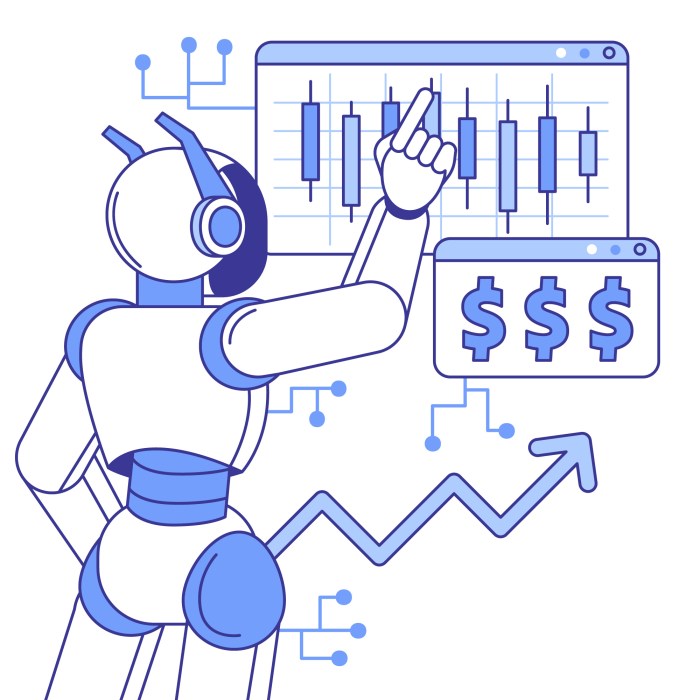
The effectiveness of AI marketing strategies is critical for businesses aiming to optimize their conversion rates. Understanding how to measure performance can provide valuable insights into what works and what doesn’t in your marketing efforts. This section will cover the assessment of AI marketing initiatives, important metrics, and KPIs that can help evaluate conversion rates effectively.Evaluating the performance of AI marketing initiatives requires a structured approach.
First, it’s essential to define specific goals and objectives that align with your overall marketing strategy. Once these goals are established, you can identify the metrics that will provide a clear picture of success. The analysis should be ongoing, allowing businesses to adapt and refine their strategies based on real-time data.
Important Metrics and KPIs for Evaluating Conversion Rates
To effectively measure the success of AI marketing strategies, various metrics and KPIs should be taken into account. These metrics can help assess overall performance, pinpoint areas for improvement, and track progress over time. Below are key metrics that are particularly valuable:
- Conversion Rate: This metric measures the percentage of users who complete a desired action, such as making a purchase or signing up for a newsletter. A higher conversion rate indicates effective marketing strategies.
- Customer Acquisition Cost (CAC): This metric reflects the total cost of acquiring a new customer, including marketing and sales expenses. Lower CAC values are preferable as they indicate efficient spending.
- Return on Investment (ROI): Understanding the ROI from your marketing efforts is crucial. This metric calculates the gain or loss generated relative to the investment made.
- Click-Through Rate (CTR): The CTR measures how often people click on a link in your marketing materials. A higher CTR indicates that your content is compelling and relevant to your audience.
- Customer Lifetime Value (CLV): This metric estimates the total revenue that a customer will generate during their relationship with your business. Increasing CLV enhances profitability over time.
The table below summarizes these metrics, highlighting their definitions and importance in evaluating conversion rates:
| Metric | Description | Importance |
|---|---|---|
| Conversion Rate | Percentage of users completing a desired action | Indicates effectiveness of marketing strategies |
| Customer Acquisition Cost (CAC) | Total cost associated with acquiring a new customer | Helps assess the efficiency of marketing spend |
| Return on Investment (ROI) | Measure of the profit earned from marketing investments | Crucial for understanding overall marketing effectiveness |
| Click-Through Rate (CTR) | Percentage of users who click on a marketing link | Indicates engagement level with content |
| Customer Lifetime Value (CLV) | Estimated total revenue from a customer over time | Helps to forecast long-term profitability |
“Measuring the right metrics is essential for optimizing AI marketing strategies and improving conversion rates.”
Future Trends in AI Marketing: AI Marketing Strategies For High Conversion Rates

Source: elitewebtechnologies.com
As the marketing landscape continues to evolve, artificial intelligence (AI) plays an increasingly pivotal role in shaping strategies aimed at maximizing conversion rates. Looking ahead, AI technology is set to revolutionize the way businesses connect with consumers, providing tailored experiences that enhance engagement and drive sales. Understanding the emerging trends, potential challenges, and ethical considerations will be crucial for marketers aiming to leverage AI effectively.
Emerging Trends in AI Technology for Marketing Effectiveness
AI technologies are transforming marketing strategies to enhance effectiveness and efficiency. Key trends include:
- Hyper-Personalization: AI algorithms analyze consumer data to deliver personalized content and recommendations, creating tailored experiences that resonate with individual preferences.
- Predictive Analytics: Marketers are utilizing AI to forecast consumer behavior by analyzing patterns in data. This helps in crafting strategies that align with anticipated needs, ultimately increasing conversion rates.
- Conversational AI: Chatbots and virtual assistants are becoming more prevalent, providing real-time customer support and engagement. This immediate interaction improves user experience and enhances brand loyalty.
- Automated Content Creation: AI-driven tools can generate content such as product descriptions and social media posts, allowing marketers to maintain consistent messaging while saving time and resources.
- Enhanced Customer Insights: Advanced AI analytics tools provide deeper insights into customer behavior and preferences, allowing for data-driven decision-making and targeted marketing campaigns.
Potential Challenges with Advancements in AI
While AI offers numerous advantages, it also presents challenges that marketers must navigate. These challenges include:
- Data Privacy Concerns: With the increasing reliance on consumer data, marketers face scrutiny over privacy practices. Adhering to regulations such as GDPR is essential to maintain consumer trust.
- Algorithm Bias: AI systems can inadvertently perpetuate biases present in training data, leading to unfair targeting. Businesses must prioritize fairness and transparency in algorithm development.
- Dependence on Technology: Over-reliance on AI can lead to a disconnect between brands and consumers. Maintaining human oversight is crucial to ensure authentic connections.
- Integration Challenges: Implementing AI solutions requires a shift in organizational processes and culture, which can be challenging for businesses to manage.
Ethical Considerations Surrounding AI in Marketing
The ethical implications of AI in marketing are becoming increasingly important as technology advances. Key considerations include:
- Transparency: Marketers should be clear about how AI is being used and how consumer data is collected and utilized, fostering trust and accountability.
- Consent and Autonomy: Obtaining explicit consent for data usage is vital. Consumers should have the autonomy to opt-out of data collection practices without penalty.
- Impact on Employment: As AI automates certain tasks, the potential displacement of jobs raises concerns. Organizations need to consider the social implications of their AI strategies.
- Sustainability: Ethical marketing should also encompass considerations for environmental impact, ensuring that the technology used is sustainable and responsible.
Final Summary
In conclusion, the journey through AI Marketing Strategies For High Conversion Rates highlights not just the methodologies that yield impressive results but also the future potential that lies ahead. As we continue to integrate AI into our marketing efforts, understanding its impact on consumer behavior and market dynamics will be essential. Embracing these strategies will ensure that businesses remain competitive, innovative, and ready to tackle the challenges of an ever-evolving digital marketplace.
Frequently Asked Questions
What are AI marketing strategies?
AI marketing strategies are approaches that leverage artificial intelligence technologies to optimize marketing efforts, enhance customer engagement, and increase conversion rates.
How can AI improve customer targeting?
AI improves customer targeting by analyzing vast amounts of data to identify patterns and preferences, allowing marketers to deliver personalized content and offers to the right audience.
What metrics are important for measuring AI marketing success?
Key metrics include conversion rates, customer engagement levels, return on investment (ROI), and customer lifetime value (CLV).
What challenges might arise when implementing AI in marketing?
Challenges can include data privacy concerns, integration with existing systems, and ensuring staff are trained to effectively use AI tools.
How do I start using AI tools in my marketing strategy?
Begin by selecting AI tools that align with your marketing objectives, then develop a clear implementation plan that includes training and ongoing evaluation.