Top AI Tools For Affiliate Marketing Success Unveiled
Top AI Tools For Affiliate Marketing Success takes center stage, inviting marketers to explore groundbreaking innovations designed to enhance their strategies. As the digital landscape evolves, AI tools have emerged as game-changers, significantly improving efficiency and effectiveness in affiliate marketing campaigns.
These tools not only streamline various processes but also offer insights that allow marketers to tailor their approaches, making them more relevant and impactful. With the rapid evolution of AI technology, staying ahead of the curve is essential for anyone looking to thrive in the competitive world of affiliate marketing.
Overview of AI Tools in Affiliate Marketing: Top AI Tools For Affiliate Marketing Success
The integration of AI tools into affiliate marketing has revolutionized how marketers operate, enhancing strategies and driving results. In a landscape that is constantly evolving, these tools provide essential insights and automation that streamline various aspects of the affiliate marketing process.AI tools offer significant advantages by improving efficiency across different marketing campaigns. By analyzing vast amounts of data, these tools can help identify trends, segment audiences, and personalize content effectively.
This capability allows marketers to focus their efforts on high-value activities, such as relationship building and strategic planning, while the AI handles the more repetitive tasks.
Significance of AI in Affiliate Marketing Strategies
The adoption of AI in affiliate marketing is indispensable for modern marketers aiming to stay ahead of the competition. Automating data analysis and customer interactions not only increases productivity but also enhances decision-making processes. Here are some key points that highlight the significance of AI tools in shaping affiliate marketing strategies:
- Data Analytics: AI tools analyze consumer behavior patterns, allowing marketers to tailor their strategies to meet specific audience needs.
- Personalization: Through machine learning algorithms, AI can deliver personalized content recommendations, improving user engagement and conversion rates.
- Performance Tracking: Real-time monitoring of campaigns enables marketers to make informed adjustments quickly, optimizing performance continuously.
- Predictive Modeling: AI can forecast future trends and consumer behaviors, assisting in strategy formulation and resource allocation.
Enhancing Efficiency with AI Tools
Efficiency is a crucial factor in successful affiliate marketing campaigns. By leveraging AI tools, marketers can streamline various processes, allowing for more effective use of resources. Here are some ways in which AI enhances operational efficiency:
- Automated Reporting: AI tools can generate performance reports automatically, saving time and ensuring accuracy in data presentation.
- Chatbots for Customer Support: Utilizing AI-driven chatbots helps in addressing customer inquiries promptly, improving user experience without the need for constant human intervention.
- Content Generation: AI algorithms can assist in creating relevant content based on user preferences, enabling faster content production and distribution.
Evolution of AI in Affiliate Marketing
The evolution of AI within the affiliate marketing landscape has been remarkable. Initially, the focus was primarily on data collection and basic analytics. Over time, as technology advanced, AI tools began to offer more sophisticated functionalities such as predictive analytics and personalized marketing solutions. Today, AI is at the forefront of affiliate marketing trends, enabling marketers to:
- Utilize Big Data: Access to extensive datasets allows for deeper insights into consumer behavior and market trends.
- Integrate Multi-Channel Marketing: AI facilitates the coordination of campaigns across various platforms, ensuring a consistent brand message.
- Predict User Behavior: By analyzing past interactions, AI can predict future user actions, helping marketers to craft targeted campaigns.
“AI tools not only augment the capabilities of marketers but also redefine the strategies employed in affiliate marketing, paving the way for increased efficiency and effectiveness.”
Top AI Tools for Affiliate Marketing
Source: cloudinary.com
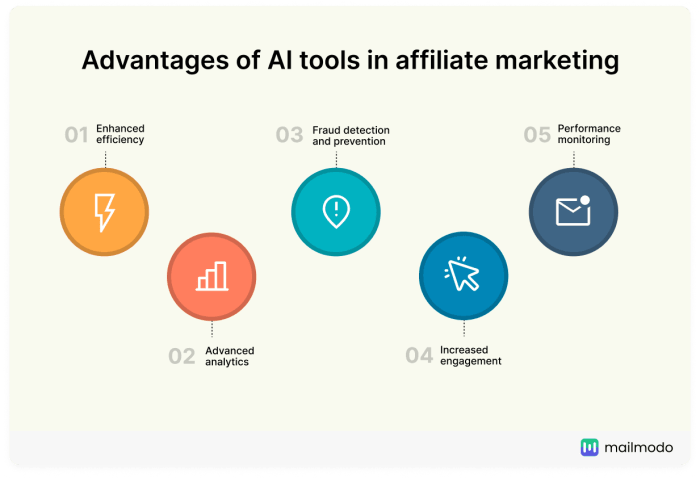
As affiliate marketing continues to evolve, leveraging the right tools can be the key to unlocking greater success. AI tools have emerged as game-changers, providing affiliate marketers with enhanced capabilities for analytics, content creation, and audience engagement. Here’s a closer look at some of the leading AI tools that can drive your affiliate marketing efforts forward.
Leading AI Tools for Affiliate Marketers, Top AI Tools For Affiliate Marketing Success
The following AI tools stand out for their features tailored specifically to enhance affiliate marketing strategies. Each tool offers unique functionalities that can help marketers optimize their campaigns and achieve better outcomes.
-
Jasper AI
Jasper AI is widely recognized for its content generation capabilities. It helps marketers create high-quality blog posts, product descriptions, and social media content quickly. With templates designed specifically for affiliate marketing, Jasper can enhance creativity while maintaining consistency in tone.
Pricing: Jasper’s pricing starts at $29 per month for the Starter plan, which includes 20,000 words, making it cost-effective for new marketers. The Boss Mode plan, priced at $59 per month, offers advanced features and higher word limits.
-
Ahrefs
Ahrefs is a powerful tool that provides in-depth research, backlink analysis, and competitor insights. These features are crucial for affiliate marketers looking to improve their search rankings and drive organic traffic to their affiliate links.
Pricing: Ahrefs offers subscription plans starting at $99 per month, which includes access to all core features, making it a worthwhile investment for serious marketers.
-
SEMrush
SEMrush is another robust tool that assists in managing PPC and strategies simultaneously. It provides tracking, site audits, and competitor analysis. Its affiliate marketing toolkit helps users identify profitable niches and optimize campaigns.
Pricing: Plans begin at $119.95 per month, with features that justify the cost through comprehensive data and insights.
-
Mailchimp
Mailchimp leverages AI to optimize email marketing campaigns. Marketers can benefit from personalized content recommendations, audience segmentation, and performance analytics. These features enhance the effectiveness of email outreach, a critical component of affiliate marketing.
Pricing: Mailchimp’s free tier offers basic features, with paid plans starting at $11 per month for more advanced functionalities.
-
ClickFunnels
ClickFunnels is a sales funnel builder that incorporates AI to enhance conversion rates. It helps marketers create landing pages and sales funnels optimized for affiliate offers. The platform’s analytics tools provide insights into customer behavior, aiding in strategy refinement.
Pricing: ClickFunnels pricing starts at $147 per month, which includes access to all funnel-building features, making it a solid choice for marketers focused on conversions.
Comparison of Pricing Models and Value Propositions
When selecting AI tools for affiliate marketing, understanding the pricing models and value propositions is essential. Each tool provides different features at varying price points, allowing marketers to choose based on their specific needs and budget.
| Tool | Starting Price | Key Features |
|---|---|---|
| Jasper AI | $29/month | Content generation, templates for affiliate marketing |
| Ahrefs | $99/month | analysis, research, backlink tracking |
| SEMrush | $119.95/month | and PPC tools, tracking, competitor analysis |
| Mailchimp | Free with paid options starting at $11/month | Email marketing, AI-driven insights, audience segmentation |
| ClickFunnels | $147/month | Sales funnel creation, conversion optimization, analytics |
Affordability, features, and specific marketing needs should guide the choice of tools. Each of these AI tools brings unique advantages, making them valuable assets in the journey towards affiliate marketing success.
Benefits of Using AI Tools
AI tools have revolutionized the landscape of affiliate marketing by streamlining processes and enhancing overall efficiency. These tools harness the power of machine learning and data analytics to provide insights and automate tasks that were once time-consuming. As affiliate marketers strive to achieve greater success, incorporating AI-driven solutions can lead to significant improvements in campaign performance and content quality.
Optimization of Content Creation
AI tools play a crucial role in optimizing content creation for affiliate marketers. By utilizing natural language processing (NLP) and machine learning algorithms, these tools can generate high-quality content tailored to specific audience preferences. This leads to more engaging articles, blog posts, and social media updates that resonate with potential customers. Here are several ways AI enhances content creation:
- Automated Content Generation: AI can generate articles and marketing copy quickly, allowing marketers to maintain a steady flow of content.
- Optimization: AI tools analyze trending s in real-time, suggesting relevant terms that can improve search engine visibility.
- Content Curation: AI can sift through vast amounts of data to find relevant articles and resources, helping marketers stay informed and share valuable content with their audience.
- Style and Tone Adjustments: AI tools can analyze existing content to determine tone, ensuring new content aligns consistently with branding guidelines.
Data Analysis and Performance Tracking
The role of AI in data analysis and performance tracking is indispensable for affiliate marketing success. By leveraging vast datasets, AI tools can provide deep insights into campaign performance, customer behavior, and market trends. This information empowers marketers to make informed decisions and optimize their strategies. Key aspects include:
- Real-time Analytics: AI systems can process data in real-time, offering insights into campaign performance metrics like click-through rates and conversion rates.
- Predictive Analytics: AI algorithms can forecast future trends based on historical data, helping marketers anticipate market shifts and adjust strategies accordingly.
- A/B Testing Automation: AI can automate the A/B testing process, analyzing the results more efficiently and suggesting the best-performing variations.
- Comprehensive Reporting: AI tools can generate detailed reports that highlight areas of success and opportunities for improvement, streamlining the review process.
Personalization of Marketing Efforts
AI’s capability to personalize marketing efforts is transforming how affiliate marketers engage with their audiences. By analyzing user data and behavior patterns, AI tools can tailor marketing messages to meet the specific needs and preferences of individual consumers. This personalized approach leads to higher engagement and conversion rates. Important factors include:
- Customer Segmentation: AI can categorize customers based on demographics, behavior, and purchase history, allowing for targeted campaigns.
- Dynamic Content Creation: AI tools can create customized content for different segments, ensuring each audience receives messages that resonate with their interests.
- Behavioral Targeting: AI analyzes user interactions to predict future behavior, enabling marketers to serve relevant offers at optimal times.
- Email Personalization: AI can enhance email marketing by tailoring subject lines, content, and timing based on user preferences and past interactions.
Implementation of AI Tools

Source: blogillion.com
Integrating AI tools into your affiliate marketing strategy can significantly elevate your campaigns by improving efficiency, optimizing content creation, and enhancing customer targeting. This section provides a systematic approach to implementing these tools while highlighting best practices and successful examples for inspiration.
Step-by-Step Guide to Integrate AI Tools
To effectively incorporate AI tools into your affiliate marketing strategy, follow this comprehensive step-by-step guide:
1. Assess Your Needs
Identify the specific areas in your marketing strategy that could benefit from AI, such as analytics, content generation, or customer engagement.
2. Research Available Tools
Explore various AI tools suited for affiliate marketing. Notable options include AI-driven content generators, chatbots, and predictive analytics platforms.
3. Select the Right Tools
Choose tools that align with your objectives and budget. Consider factors like ease of use, integration capabilities, and customer support.
4. Integrate with Existing Systems
Ensure the AI tools can seamlessly integrate with your existing marketing platforms, such as your website, CRM, and email marketing software.
5. Train Your Team
Provide training for your team on how to effectively use the selected AI tools. This could involve workshops or online courses to enhance their skills.
6. Monitor Performance
After implementation, closely monitor the performance of the AI tools. Analyze metrics like conversion rates, engagement levels, and return on investment (ROI).
7. Optimize and Iterate
Based on performance data, make necessary adjustments to your strategy and tool settings to maximize effectiveness.
Best Practices for Using AI Tools Effectively
To maximize the potential of AI tools in affiliate marketing campaigns, adhere to these best practices:
Start Small
Begin with one or two AI tools to avoid overwhelm. Gradually scale up as you become more comfortable with their capabilities.
Prioritize Data Quality
Ensure that the data fed into AI tools is accurate and up-to-date, as this directly impacts their effectiveness.
Leverage Customization
Take advantage of customization options within AI tools to tailor functionalities to your specific needs.
Maintain Human Oversight
While AI can automate tasks, human oversight is essential to ensure that content and interactions maintain a personal touch.
Stay Updated
AI technologies evolve rapidly. Regularly stay informed about updates and new features to keep your strategies current.
Test and Analyze
Continuously perform A/B testing to measure the effectiveness of AI-generated content or recommendations and analyze results for future improvements.
Examples of Successful Affiliate Marketing Campaigns Using AI Tools
Several brands have successfully harnessed AI tools to boost their affiliate marketing efforts. Here are a few notable examples:
Amazon Associates
Amazon utilizes AI-driven recommendation algorithms that analyze user behavior to suggest relevant products, enhancing conversions for its affiliates.
Sephora
Sephora employs chatbots on their website and social media, offering personalized product recommendations based on user preferences, which has increased customer engagement and sales.
Zalando
The fashion retailer uses AI to analyze customer data, predicting trends and optimizing inventory, thereby improving their affiliate marketing partnerships with fashion bloggers and influencers.These examples demonstrate the transformative power of AI tools in affiliate marketing, showcasing how they can enhance user experiences and drive sales.
Challenges in Adopting AI Tools
The rise of AI tools in affiliate marketing presents exciting opportunities, but it also comes with its own set of challenges. Affiliates may encounter various obstacles that can hinder the effective integration and utilization of these technologies. Understanding these challenges is essential for leveraging AI tools to maximize marketing success.One of the primary challenges affiliates may face is the steep learning curve associated with AI technologies.
Many affiliates might not possess the technical expertise required to effectively deploy these tools. Furthermore, there can be an overwhelming amount of information which may lead to confusion or misapplication of AI capabilities.
Common Challenges in AI Tool Adoption
Addressing the challenges in adopting AI tools is crucial for a successful transition. Here are some of the common obstacles along with strategies to mitigate them:
- Lack of Technical Knowledge: Many affiliates may struggle with understanding AI technologies. To overcome this, investing in training sessions or online courses can bridge knowledge gaps, allowing affiliates to harness the power of AI effectively.
- Integration Issues: Integrating AI tools with existing systems can be problematic. To tackle this, affiliates should choose AI solutions that offer seamless compatibility with popular platforms, and consider consultation with technical experts for assistance.
- Cost Concerns: The financial investment required for AI tools can be daunting. It’s advisable for affiliates to start with affordable options and gradually scale up their investments as they see positive returns on their campaigns.
- Data Privacy Regulations: Navigating data privacy laws can be challenging while using AI tools. Affiliates must stay informed about regulations like GDPR and ensure they’re compliant to avoid penalties.
Misconceptions About AI Tools in Affiliate Marketing
Misunderstandings about AI tools can lead to hesitance in their adoption. Clarifying these misconceptions can encourage more affiliates to leverage AI technologies effectively.
- AI Replaces Human Jobs: A common belief is that AI will replace human roles. In reality, AI is designed to augment human capabilities, allowing affiliates to focus on strategic tasks while automating repetitive processes.
- AI Tools Are Only for Large Enterprises: There’s a misconception that only large corporations can afford and benefit from AI. However, many AI tools are now accessible to small and medium-sized enterprises, offering scalable solutions tailored to fit various budgets.
- AI Requires Extensive Data: While data is important, effective AI tools can also function on smaller datasets, thanks to advancements in machine learning algorithms that learn from limited data effectively.
- AI Solutions Are Too Complex: Some affiliates think AI tools are overly complicated. Many modern AI solutions prioritize user experience and are designed to be user-friendly, requiring minimal technical expertise.
“Understanding the challenges and misconceptions surrounding AI tools is the first step towards successful integration in affiliate marketing.”
Future Trends in AI and Affiliate Marketing
Source: clickup.com
As we move into a new era of digital marketing, the intersection of artificial intelligence (AI) and affiliate marketing is poised for significant transformation. The advancements in AI technologies are not only enhancing how affiliate marketers operate but are also reshaping consumer behaviors and preferences. This section explores the emerging trends in AI that will likely influence affiliate marketing strategies in the coming years.The potential impact of AI on consumer behavior is profound, leading to more personalized and efficient marketing tactics.
As algorithms become increasingly sophisticated, marketers can leverage data analytics to predict consumer needs and tailor their strategies accordingly. This capability enables affiliates to create highly targeted campaigns that resonate with audiences on a deeper level, ultimately driving conversions and boosting sales.
Emerging AI Technologies in Affiliate Marketing
Various AI technologies are set to redefine the landscape of affiliate marketing. Understanding these trends is crucial for marketers looking to stay ahead of the curve. Here are some significant developments to watch:
- Predictive Analytics: Advanced predictive analytics tools allow marketers to forecast trends and consumer behavior, enabling more informed decision-making. Tools leveraging machine learning can analyze vast datasets to identify patterns that human marketers might miss.
- Chatbots and Virtual Assistants: AI-powered chatbots are increasingly being used to enhance customer service and engagement. They can provide immediate responses to inquiries, improving user experience and potentially increasing conversion rates for affiliate marketers.
- Content Generation: AI tools can now generate high-quality content tailored to specific audiences. This automation saves time and resources, allowing marketers to focus on strategy while ensuring their content remains relevant and engaging.
- Dynamic Pricing Models: AI can facilitate dynamic pricing strategies based on real-time data, market trends, and consumer behavior. This flexibility can help affiliates optimize their offerings to maximize sales and profit margins.
Shifts in Consumer Behavior
The integration of AI in affiliate marketing is also expected to drive notable changes in consumer behavior. As technology becomes more adept at personalization, consumers will likely develop heightened expectations regarding their experiences with brands. Here are some anticipated shifts:
- Increased Demand for Personalization: Consumers prefer tailored recommendations and experiences. AI enables affiliates to present products and services that genuinely meet individual customer needs.
- Enhanced Trust through Transparency: As AI tools provide insights into data usage and marketing practices, consumers may become more trusting of brands that demonstrate transparency in their strategies.
- Greater Reliance on AI-Driven Recommendations: With AI enhancing recommendation systems, consumers may increasingly rely on algorithm-generated suggestions, leading to a shift in how they discover products.
Industries Benefiting from AI Integration
Certain industries are particularly well-positioned to leverage AI in their affiliate marketing strategies. The following sectors are expected to experience significant advantages from this integration:
- E-commerce: The e-commerce landscape continues to evolve, with AI tools helping to optimize product recommendations, enhance customer service, and streamline logistics.
- Travel and Hospitality: AI can analyze traveler preferences and behaviors to create personalized travel packages, improving customer satisfaction and loyalty.
- Finance and Insurance: These sectors can utilize AI for risk assessment and personalized product offerings, making financial services more accessible and tailored to individual needs.
- Health and Wellness: AI can aid in personalizing health solutions and recommendations, allowing affiliates in this sector to connect with consumers on a more personal level.
Ending Remarks
In summary, harnessing the power of AI tools is crucial for achieving affiliate marketing success. From optimizing content creation to personalizing campaigns, these technologies offer myriad benefits that can transform your marketing efforts. Embracing AI not only helps to overcome challenges but also positions you at the forefront of future trends in the industry.
Questions and Answers
What are AI tools in affiliate marketing?
AI tools in affiliate marketing are software applications that utilize artificial intelligence to enhance various aspects of marketing, such as data analysis, content creation, and campaign optimization.
How do AI tools improve efficiency in affiliate marketing?
AI tools automate repetitive tasks, analyze vast amounts of data quickly, and provide insights that help marketers make informed decisions, ultimately saving time and increasing efficiency.
Can AI tools help with content creation?
Yes, AI tools can assist in generating content ideas, optimizing existing content for , and even creating written material, making the content creation process faster and more efficient.
Are AI tools expensive for affiliate marketers?
While some AI tools can be costly, many options are available at various pricing tiers, allowing affiliate marketers to choose tools that fit their budget and needs.
What challenges might I face when adopting AI tools?
Challenges can include a learning curve, integration with existing systems, and potential resistance from team members who may be hesitant to adopt new technologies.