How To Start Online Business With Ai Tools Step By Step
How To Start Online Business With Ai Tools Step By Step brings you into the exciting world where technology meets entrepreneurship. In today’s digital age, leveraging artificial intelligence can transform the way you establish and run an online business. This guide is designed to provide you with the insights and practical steps necessary to harness AI tools effectively, simplifying every aspect from niche selection to scaling your operations.
As we delve into the various AI tools available for online businesses, you’ll discover how they can enhance productivity, streamline processes, and optimize marketing strategies. With the right approach, starting an online business can be more accessible and efficient than ever before, paving your way to success in the competitive online marketplace.
Understanding AI Tools for Online Business
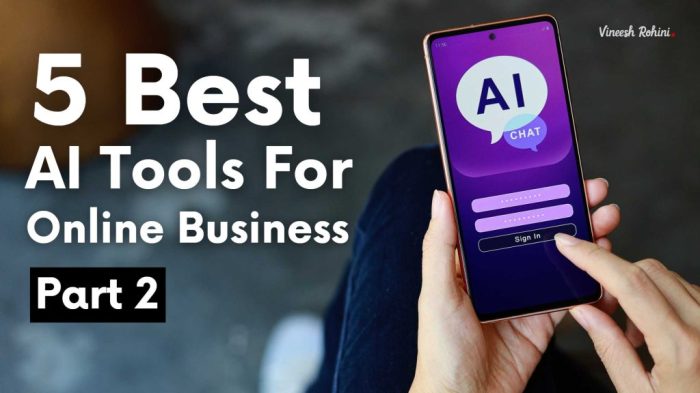
In the rapidly evolving landscape of online business, Artificial Intelligence (AI) tools have become essential assets for entrepreneurs. These tools streamline operations, enhance customer experiences, and provide valuable insights, making them instrumental for businesses of all sizes. Understanding the various AI tools available is crucial for anyone looking to establish a successful online venture.Numerous types of AI tools cater to different aspects of running an online business.
They can assist in tasks ranging from customer service to data analysis, marketing automation, and more. By leveraging these tools, businesses can optimize their processes, improve efficiency, and ultimately drive growth.
Types of AI Tools Available
Several AI tools serve distinct purposes within online businesses. Below are some notable categories along with examples and their applications:
- Chatbots: Chatbots like Kami and Drift can handle customer inquiries, providing instant support and improving customer engagement.
- Marketing Automation: Tools such as HubSpot and Mailchimp utilize AI to analyze customer data and optimize marketing campaigns for better targeting and personalization.
- Data Analysis: AI platforms like Tableau and Google Analytics help businesses interpret complex datasets, enabling data-driven decisions.
- Content Creation: Tools like Writesonic and Copy.ai assist in generating content ideas and even writing articles, saving time for marketers and business owners.
- Optimization: AI tools such as SEMrush and Ahrefs analyze website performance and suggest improvements for better search engine visibility.
The benefits of incorporating AI tools into an online business strategy are immense. By automating routine tasks, businesses can focus on strategic growth areas. AI tools also enhance personalization, leading to improved customer satisfaction and loyalty. As the technology continues to advance, embracing AI tools not only positions businesses to compete effectively but also allows them to harness data insights for informed decision-making.
“AI tools offer a unique opportunity to turn data into actionable insights, fostering innovation and efficiency in online business operations.”
Identifying Your Niche
Finding the right niche is a crucial step in starting an online business, as it sets the foundation for your entire venture. A well-defined niche not only helps in targeting your ideal audience but also allows you to differentiate yourself from competitors. This section delves into the process of researching and selecting a niche that aligns with your interests and has significant market demand.
Researching and Selecting a Niche
The process of researching and selecting a niche involves a combination of personal passion, market demand, and competitive analysis. Begin by brainstorming areas where your interests intersect with market needs. Consider the following steps to effectively identify a niche:
- Self-Assessment: Reflect on your skills, hobbies, and interests. Write down topics you are passionate about, as this can guide your niche selection.
- Market Research: Use tools like Google Trends to analyze search queries related to your interests. This helps you gauge public interest over time.
- Research: Identify relevant s using platforms such as Ahrefs or SEMrush. Analyzing search volume and difficulty can provide insights into potential niches.
- Social Listening: Monitor conversations on platforms like Reddit, Quora, and social media to discover trending topics and pain points that consumers are discussing.
Analyzing Market Demand and Competitive Landscape, How To Start Online Business With Ai Tools Step By Step
Understanding the market demand and the competitive landscape is vital for validating your niche. The following strategies can help you analyze these factors effectively:
- Competitor Analysis: Identify existing businesses in your chosen niche. Analyze their offerings, customer reviews, and strategies to understand what works and what doesn’t.
- Demand Indicators: Look for indicators of demand such as sales volume of competitors, product reviews, and forum discussions. High engagement levels often signify a healthy market.
- SWOT Analysis: Conduct a SWOT analysis (Strengths, Weaknesses, Opportunities, Threats) on your niche to understand its viability and growth potential.
Validating Your Business Idea
Once you’ve identified your niche and analyzed the market, the next step is to validate your business idea. This ensures that your concept has a real demand before you fully commit to it. Here are some effective validation strategies:
- Surveys and Feedback: Create surveys or polls to gather direct feedback from potential customers about your idea. Tools like SurveyMonkey can facilitate this process.
- Minimum Viable Product (MVP): Develop a simplified version of your product or service to test on a small audience. This allows you to gather insights and make necessary adjustments.
- Pre-Selling: Consider pre-selling your product through landing pages. If people are willing to pay before the product is available, it indicates strong demand.
- Online Communities: Engage with online groups related to your niche. Participation can provide valuable insights and help you gauge interest in your offerings.
Setting Up Your Online Presence
Establishing a strong online presence is vital for the success of your online business. A professional website acts as your digital storefront, showcasing your products or services while providing essential information to your audience. With the advancement of AI-driven platforms, creating an effective website has never been easier. Here’s a step-by-step guide on how to leverage these tools to set up your online presence.
Creating a Professional Website Using AI-Driven Platforms
AI-driven platforms streamline the website creation process, making it accessible even for those with limited technical knowledge. Here are the key steps to consider:
1. Choose an AI Website Builder
Select a platform that offers user-friendly interfaces powered by AI, such as Wix, Squarespace, or Shopify. These platforms often provide customizable templates and drag-and-drop functionalities that simplify the design process.
2. Select a Template
Browse through various templates that align with your brand image. The templates are usually categorized by industry, making it easier to find one that suits your business.
3. Customize Your Website
Utilize AI tools within the platform to automatically adjust layouts, colors, and fonts based on your content. This ensures your website is cohesive and visually appealing.
4. Add Essential Features
Incorporate functionalities such as contact forms, e-commerce capabilities, and social media integration. Most AI builders offer plugins that enhance these features without requiring coding skills.
5. Optimize for
Ensure your website is optimized for search engines. AI tools can suggest s, optimize images, and generate meta descriptions to improve your visibility.
6. Launch and Monitor
Once your website is ready, launch it and utilize AI analytics tools to monitor user behavior and engagement. This data will help you make informed adjustments over time.
Essential Elements Enhancing User Experience and Engagement
A website that prioritizes user experience is more likely to retain visitors and convert them into customers. Below are essential elements to consider:
Responsive Design
Ensure your website is mobile-friendly and adjusts seamlessly to different screen sizes. This is crucial as more users access websites via smartphones.
Fast Loading Times
Optimize images and reduce unnecessary scripts to improve loading speed. A slow website can lead to high bounce rates.
Clear Navigation
Use intuitive menus and a logical structure to help users find information quickly. A well-organized website enhances the overall user experience.
Engaging Content
Create high-quality, relevant content that adds value to your audience. Utilize multimedia elements such as videos and infographics to make the experience more engaging.
Accessible Contact Information
Display contact details prominently to build trust and facilitate communication. Consider integrating chatbots for immediate assistance.
“A user-friendly website is the cornerstone of effective online engagement.”
Comparing Different Website Builders Incorporating AI Tools
Choosing the right website builder is crucial for your online presence. Below is a comparison of popular AI-driven website builders:
| Website Builder | Key Features | Best For |
|---|---|---|
| Wix | Wix ADI (Artificial Design Intelligence), drag-and-drop editor, extensive app market | Small businesses and personal projects |
| Squarespace | Stylish templates, built-in tools, robust e-commerce capabilities | Creative professionals and e-commerce businesses |
| Shopify | Comprehensive e-commerce features, AI-driven product suggestions, scalable solutions | Online retailers and entrepreneurs |
| Weebly | Simple drag-and-drop editor, integrated e-commerce, good customer support | Beginners and small businesses |
Each platform offers unique features and benefits that cater to different business needs, so evaluate them based on your goals and technical skills.
Automating Business Processes
Automation is transforming the way businesses operate, providing efficiency and accuracy by minimizing human intervention in repetitive tasks. By leveraging AI tools, entrepreneurs can streamline their operations, allowing them to focus on strategic growth and innovation. This section will explore various business processes that can be automated and provide guidance on implementing these solutions in customer service and sales.
Business Processes Suitable for Automation
Several key business processes can be effectively automated using AI tools. Automation not only saves time but also enhances accuracy and customer satisfaction. Here’s a list of processes that can be streamlined:
- Data Entry: AI can automate the input of data from various sources, reducing the potential for human error.
- Customer Support: Chatbots and automated response systems can handle common inquiries, freeing up staff for more complex issues.
- Email Marketing: AI tools can help automate the sending of customer emails based on user behavior, ensuring timely and relevant communication.
- Inventory Management: Automation can track inventory levels in real-time and reorder products as needed.
- Sales Reporting: AI can generate sales reports and performance analysis automatically, providing insights without manual effort.
Implementing Automation in Customer Service and Sales
AI-driven automation in customer service and sales can enhance responsiveness and efficiency, leading to improved customer satisfaction and increased sales. For customer service, integrating AI chatbots can provide instant responses to customer inquiries, handle FAQs, and escalate issues to human agents when necessary. These chatbots can be programmed to learn from customer interactions, improving their responses over time. In sales, AI tools can analyze customer data to identify trends and predict purchasing behavior.
By automating follow-up emails and personalized marketing campaigns, businesses can increase conversion rates without manual effort. Leveraging CRM (Customer Relationship Management) systems with AI capabilities can streamline lead management and track sales performance seamlessly.
Selecting the Right AI Solutions for Process Automation
Choosing the appropriate AI solutions for automating business processes is crucial for maximizing effectiveness. Here are some tips to consider when selecting AI tools:
- Assess Your Needs: Identify the specific processes that require automation and evaluate the goals you want to achieve.
- Research Available Tools: Investigate various AI solutions available in the market, comparing features, pricing, and user reviews.
- Scalability: Choose AI tools that can grow with your business and adapt to changing needs.
- User-Friendly Interface: Opt for solutions that are easy to use and integrate into existing workflows to minimize training time.
- Support and Training: Ensure that the provider offers adequate support and resources to assist with implementation and troubleshooting.
Marketing Strategies Utilizing AI
In the fast-paced digital landscape, leveraging AI-driven marketing strategies can significantly boost the effectiveness of online businesses. These strategies not only streamline marketing efforts but also provide valuable insights that can lead to improved customer engagement and conversion rates. By incorporating AI tools, businesses can create targeted campaigns, personalize customer interactions, and optimize their marketing resources efficiently.AI technology offers various marketing strategies that can be tailored to meet specific business needs.
From predictive analytics to chatbots and automated content generation, these tools enable businesses to engage with their audience more effectively. In this section, we will explore how businesses can harness AI for social media marketing and content creation, as well as methods for analyzing customer data to enhance overall marketing performance.
AI-Driven Social Media Marketing
Implementing AI in social media marketing can transform how brands connect with their audiences. AI tools can analyze user behavior, trends, and preferences, allowing businesses to create highly targeted advertisements. Additionally, AI facilitates efficient content scheduling, ensuring that posts reach the intended audience at optimal times. Key strategies include:
- Targeted Advertising: AI algorithms can analyze vast amounts of data to identify target demographics and craft personalized ads that resonate with specific user segments.
- Sentiment Analysis: Tools that utilize natural language processing can gauge public sentiment regarding a brand or product, enabling companies to adjust their messaging accordingly.
- Chatbots for Engagement: AI-powered chatbots can provide real-time customer interaction, answering queries and guiding users through their purchase journey seamlessly.
AI for Content Creation
The advent of AI in content creation has led to innovative ways of producing high-quality materials quickly and efficiently. AI tools can generate written content, design graphics, and even create videos based on specific guidelines. Key applications include:
- Automated Content Generation: AI writing assistants can draft articles, blog posts, or social media updates, saving time for marketers while maintaining high-quality standards.
- Dynamic Content Personalization: AI can analyze user data to create personalized content experiences, enhancing engagement and increasing conversion rates.
- Visual Content Creation: AI tools can produce graphics and videos tailored to brand aesthetics and audience preferences, making content marketing more visually appealing.
Analyzing Customer Data with AI
Analyzing customer data is crucial for optimizing marketing efforts. AI’s capability to process and analyze large datasets allows businesses to derive actionable insights about customer behavior and preferences. Effective methods include:
- Predictive Analytics: By utilizing historical data, AI can forecast future customer behaviors and trends, enabling proactive marketing strategies.
- Segmentation Analysis: AI tools can segment audiences based on various criteria, such as buying habits and interests, allowing for more targeted marketing campaigns.
- Performance Measurement: AI can track and analyze marketing campaign performance in real-time, helping businesses adjust strategies to optimize results.
Managing Finances with AI
In the world of online business, managing finances effectively is crucial for ensuring sustainability and growth. Leveraging AI tools not only simplifies financial processes but also enhances accuracy and efficiency. This section will explore how to utilize these innovative tools for budgeting and financial management, provide guidance on selecting the right accounting software, and highlight the advantages of financial forecasting and analytics using AI.
Using AI Tools for Budgeting and Financial Management
AI tools can automate and streamline various aspects of budgeting and financial management, making it easier for entrepreneurs to focus on strategic decisions. These tools are designed to analyze spending patterns, predict future expenses, and provide insights for better financial planning.
- AI budgeting tools can analyze historical spending data to create forecasts for future expenses, adjusting automatically based on changes in business activities or market conditions.
- Automation in invoicing and payment processing reduces human error and saves time, allowing businesses to manage cash flow more effectively.
- Real-time financial analysis helps business owners identify trends and discrepancies early, enabling them to make informed decisions quickly.
Selecting Accounting Software with AI Functionalities
Choosing the right accounting software is vital for integrating AI capabilities into your financial management. When selecting software, consider the following features that enhance functionality and efficiency:
- Look for software that incorporates machine learning algorithms to predict cash flow trends based on historical data.
- Ensure the software supports integration with other business tools like e-commerce platforms, CRM systems, and payment gateways for seamless data flow.
- Examine user reviews and case studies to identify how other businesses have benefited from the AI features offered by the software.
Importance of Financial Forecasting and Analytics with AI Tools
Financial forecasting and analytics are essential for strategic planning in any business. AI tools can significantly enhance these processes by providing deeper insights and more accurate predictions.
- Utilizing AI for financial forecasting allows for dynamic adjustments based on real-time data, improving the accuracy of cash flow predictions.
- AI-driven analytics can reveal actionable insights through data visualization, helping businesses track their performance metrics effectively.
- An example of AI in action can be seen in companies like Netflix, which uses AI algorithms to predict viewer preferences and optimize budgeting for content creation.
Incorporating AI tools into financial management not only simplifies operations but also empowers business owners with data-driven insights, paving the way for informed decision-making and sustainable growth.
Scaling Your Online Business
Scaling your online business is an essential step towards achieving long-term success and sustainability. With the rapid evolution of technology, particularly artificial intelligence (AI), entrepreneurs have an unprecedented opportunity to leverage innovative tools and strategies to enhance their growth potential. This section delves into the various approaches you can adopt to scale your business effectively using AI technologies.
Strategies for Scaling with AI Technologies
Identifying effective strategies for scaling your online business is crucial. AI technologies offer a myriad of solutions that can streamline operations, optimize marketing efforts, and enhance customer experiences. Here are some strategies to consider:
- Automated Customer Service: Implement chatbots and AI-driven customer support systems to handle inquiries and support requests efficiently. This not only reduces operational costs but ensures customer satisfaction through quick response times.
- Data-Driven Marketing: Utilize AI analytics tools to analyze customer behavior and preferences. This data can be used to tailor marketing campaigns, ensuring they are more relevant and effective in reaching target audiences.
- Personalization at Scale: Leverage AI algorithms to deliver personalized content and product recommendations to users based on their previous interactions, helping to increase conversion rates.
Analyzing Growth Opportunities and Market Expansion
To effectively scale an online business, understanding growth opportunities and identifying potential markets is essential. AI tools facilitate this analysis through advanced data processing and predictive modeling.
- Utilize AI-powered market research tools to analyze trends and consumer behavior in different regions or demographics.
- Implement predictive analytics to forecast sales trends and identify which products or services are likely to become popular.
- Use social media analytics to gauge brand sentiment and spot emerging markets where your products may have untapped potential.
By combining these insights, businesses can make informed decisions about product launches, marketing strategies, and resource allocation.
The Role of AI in Enhancing Customer Retention and Loyalty Programs
Maintaining customer loyalty is vital for sustained business growth, and AI can play a pivotal role in enhancing retention strategies.
- AI-driven customer relationship management (CRM) systems can analyze customer interactions and identify which users are at risk of churn. This allows businesses to proactively engage those customers with targeted offers.
- Develop loyalty programs powered by AI that dynamically adjust rewards based on customer purchasing patterns, enhancing the perceived value of the rewards and encouraging repeat purchases.
- Utilize sentiment analysis tools to monitor customer feedback across various channels, allowing businesses to quickly address concerns and improve service quality.
“Leveraging AI not only enhances operational efficiency but also fosters deeper relationships with customers, leading to greater retention.”
Continuous Learning and Improvement
Staying competitive in the online business landscape, especially when leveraging AI tools, requires a commitment to continuous learning and improvement. The rapid evolution of AI technologies means that what is innovative today may be obsolete tomorrow. To thrive, business owners must stay informed about the latest advancements and trends in AI, as well as effective online business strategies.The importance of staying updated cannot be overstated.
New AI tools and features are frequently released, providing opportunities to enhance efficiency and customer engagement. Understanding these developments can lead to better decision-making and a more agile business model. Moreover, continuous learning fosters creativity and encourages the exploration of new ideas, which can significantly benefit your business.
Resources for Ongoing Education
Accessing quality educational resources is vital for keeping pace with rapid advancements in AI and online business. A variety of platforms offer courses, webinars, and articles that cater to different learning preferences. Here are some reputable sources to consider:
- Coursera: Offers courses from leading universities on AI and business strategies, allowing you to learn at your own pace.
- edX: Features a range of professional certifications focused on AI applications in business.
- Udemy: Provides affordable courses tailored to practical applications of AI tools in various business contexts.
- LinkedIn Learning: Offers expert-led tutorials and insights on emerging trends in AI and online business practices.
- Podcasts and Blogs: Following industry experts through podcasts or blogs can provide ongoing insights and discussions about the latest trends.
Regularly engaging with these resources helps ensure that your knowledge remains relevant and that you can apply new strategies effectively.
Plan for Assessing and Improving Business Operations
Creating a structured plan for assessing and improving your business operations based on AI insights is crucial for sustainable growth. Here’s a suggested framework to implement:
1. Set Clear Objectives
Define specific goals for your AI initiatives. These could include increasing sales, improving customer service, or enhancing marketing efforts.
2. Data Collection
Regularly collect data from various sources, including customer interactions, website analytics, and social media engagement. This data will inform your assessments.
3. Utilize AI Tools
Employ AI analytics tools to interpret the data. Tools like Google Analytics, HubSpot, or specialized AI-driven analytics platforms can help identify trends and opportunities.
4. Review and Analyze
Schedule periodic reviews (monthly or quarterly) to evaluate the effectiveness of your strategies based on the insights gained from your AI tools.
5. Adapt and Iterate
Use the insights from your analysis to make informed adjustments to your business strategies. This could involve refining your marketing campaigns, enhancing product features, or improving customer support.
6. Feedback Loop
Establish a feedback mechanism to gather input from customers and employees on the effectiveness of the changes made. This can provide valuable insights for ongoing improvements.By implementing a structured approach to continuous learning and improvement, you can harness AI tools effectively to drive your online business forward. This dedication to growth will not only keep your business competitive but also foster a culture of innovation.
Wrap-Up: How To Start Online Business With Ai Tools Step By Step
In conclusion, embarking on your journey with How To Start Online Business With Ai Tools Step By Step can be both rewarding and innovative. By embracing AI technologies, you not only simplify the complexities of running a business but also position yourself for growth and success. Continuous learning and adaptation will be key as you navigate the ever-evolving landscape of online entrepreneurship, ensuring that you’re always a step ahead in the game.
FAQ Insights
What are the best AI tools for beginners?
For beginners, tools like Shopify for e-commerce, HubSpot for marketing, and QuickBooks for finance management are highly recommended due to their user-friendly interfaces and robust functionality.
How much does it cost to start an online business using AI?
The cost can vary widely depending on the tools you choose and the scale of your business, but starting with basic AI tools can be done for a few hundred dollars a month.
Is it necessary to have technical skills to use AI tools?
No, many AI tools are designed to be user-friendly and require minimal technical skills, making them accessible for entrepreneurs without a tech background.
How can I stay updated on AI advancements?
Regularly following industry blogs, subscribing to newsletters, and joining online forums or communities focused on AI and online business can help you stay informed.
Can AI tools help with customer service?
Absolutely! AI tools can automate customer service through chatbots and virtual assistants, providing timely responses to customer inquiries and improving overall service efficiency.