Chatgpt Vs Other Ai Tools For Content Writing Explained
Chatgpt Vs Other Ai Tools For Content Writing sets the stage for an exciting exploration into the realm of artificial intelligence and its transformative role in content creation. With a variety of AI tools making waves in the market, it’s essential to understand how each tool stands out and meets different user needs. As technology evolves, these platforms not only enhance writing efficiency but also broaden the horizons of creativity, making them invaluable assets for businesses, freelancers, and students alike.
In this discussion, we will delve into the various features, user experiences, pricing models, and the overall performance of these AI writing tools. By comparing them, we can uncover which ones offer the best value and effectiveness for content generation, ultimately guiding users in making informed decisions.
Overview of AI Tools for Content Generation
Artificial Intelligence (AI) has transformed the landscape of content writing over the past decade. Initially, AI technologies were limited to basic grammar checks and simple text generation. However, advancements in natural language processing (NLP) and machine learning have led to the development of sophisticated AI tools capable of creating high-quality, contextually relevant content. These tools are now essential for businesses, marketers, and content creators, enhancing productivity and creativity in content generation.There is a diverse range of AI tools available in the market today, each designed to cater to different needs and audiences.
These tools vary in their functionalities, from generating blog posts and social media content to creating more complex documents like marketing copy and reports. Below is a summary of some notable AI content generation tools and their primary features.
Summary of Various AI Tools Available in the Market
When evaluating AI tools for content generation, it is important to understand their unique functionalities and target audiences. Here are some prominent tools in the market:
- Kami: Developed by OpenAI, Kami utilizes an advanced language model to generate human-like text. It is suitable for a wide range of applications, from casual conversations to professional writing tasks. Its flexibility makes it appealing to both individuals and businesses.
- Jasper AI: Jasper AI is tailored for marketing professionals and content creators, offering features like copywriting templates and integration with other platforms. It specializes in generating high-conversion marketing content, blog posts, and social media updates.
- Copy.ai: This tool focuses on copywriting, providing users with various templates for different types of content, including product descriptions and email marketing. It is user-friendly and designed for marketers looking to create compelling copy quickly.
- Writesonic: Known for its versatility, Writesonic offers a range of content generation options, including landing pages, blog ideas, and ad copy. It caters to both startups and established brands looking for a quick content solution.
- Rytr: Rytr is an affordable AI writing assistant that helps users create content in various tones and styles. It’s particularly useful for individuals or small businesses with limited budgets seeking to produce quality content without a significant investment.
The functionalities of these tools generally revolve around various forms of content creation, with specific strengths that cater to different audiences. For instance, while Kami excels in conversational AI and storytelling, Jasper AI focuses on marketing efficiency and copywriting effectiveness. Such distinctions allow users to choose tools that best fit their content strategies, ensuring they achieve their specific objectives effectively.
“The right AI tool can significantly reduce the time spent on content creation while enhancing the quality and engagement of the output.”
As the technology continues to evolve, the competition among these tools is likely to drive further innovations, allowing for even more tailored solutions in content generation.
Features of Different AI Writing Tools
The landscape of AI writing tools is diverse, with each platform offering unique features that cater to various content creation needs. Understanding these features is crucial for users who want to leverage AI effectively for their writing tasks. This exploration highlights the capabilities of some of the most prominent AI content generation tools and the significance of their customizations.
Unique Features of Prominent AI Writing Tools
Different AI writing tools have developed distinctive features that differentiate them in terms of functionality and user experience. The following points illustrate key capabilities:
- Tone Adjustment: Many AI writing tools allow users to specify the desired tone of the content, be it formal, casual, persuasive, or informative. For instance, tools like Jasper and Writesonic enable users to easily toggle between tones, ensuring the content resonates with the intended audience.
- Language Support: A significant feature is multilingual support, where tools like Copy.ai and Rytr can generate content in various languages. This is particularly beneficial for businesses operating in multilingual markets or for content creators targeting global audiences.
- Content Types: Tools like Grammarly and Quillbot offer specialized content types, from social media posts to long-form articles. Their ability to adapt to different formats ensures that users can generate specific types of content according to their needs.
- Optimization: Certain platforms, such as Surfer integrated with Jasper, provide features that optimize content for search engines. This includes suggestions and analysis to enhance visibility, proving essential for marketers and bloggers.
- Collaborative Features: Some AI tools allow multiple users to collaborate on projects in real-time. For example, Notion AI integrates writing and project management, making it easier for teams to brainstorm and edit documents together.
The significance of customization options cannot be understated. They empower users to tailor the output to align with their brand voice and audience preferences. This not only enhances the relevance of the content but also increases engagement by producing material that speaks directly to the target demographic. The ability to adjust tone, select language, and specify content types, combined with other unique features, makes these AI tools invaluable for efficient content writing.
User Experience and Usability
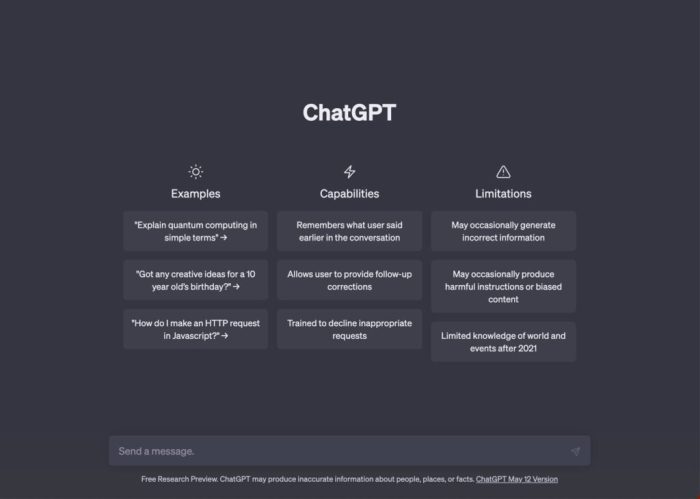
When it comes to AI writing tools, user experience and usability are critical for ensuring that writers can focus on their content rather than getting bogged down by complex interfaces. A seamless user experience often contributes significantly to the efficiency and satisfaction of users, especially for those who may not be tech-savvy. This section dives into the interface and overall usability of leading AI writing platforms, highlighting their accessibility features, onboarding processes, and the support available for users.
User Interface and Experience
The user interface (UI) of an AI writing tool plays a vital role in how effectively users can generate content. Most platforms aim for a clean and intuitive design that facilitates easy navigation. For instance, tools like Kami have a minimalist interface where users can start typing in a large text area, with additional features such as prompt suggestions and formatting options readily accessible.
Other platforms may adopt a more structured layout, with sidebars containing templates, categories, or other functionalities. These interfaces often cater to different writing needs, from blog posts to academic papers. Key attributes of effective user interfaces include:
- Intuitive navigation that enables users to find features quickly.
- Responsive design that adapts to various devices, including tablets and smartphones.
- Customizable settings allowing users to tweak the interface to suit their preferences.
- Real-time editing features that allow users to see changes as they make updates to their content.
Accessibility Features and Onboarding
Accessibility is a major consideration in the design of AI writing tools, ensuring that all users, regardless of their abilities, can utilize the software effectively. Platforms like Jasper AI and Writesonic have incorporated features such as screen reader compatibility, high-contrast modes for users with visual impairments, and keyboard shortcuts for easier navigation.The onboarding process is crucial for new users who may be unfamiliar with AI writing technology.
Most leading platforms offer comprehensive tutorials, walkthroughs, and tooltips that guide users through initial setups and essential functions. This can significantly reduce the learning curve and help new users become adept at using the platform more quickly.Examples of effective onboarding practices include:
- Interactive tutorials that allow users to practice features within the app.
- Step-by-step guides that cover key functionalities.
- Video resources showcasing various use cases and tips for optimizing writing.
Customer Support and Community Resources
Customer support is crucial for users who encounter issues or have questions about functionality. Most AI writing platforms provide robust support options, including live chat, email support, and extensive FAQ sections. Community forums are also common, where users can share tips, address common challenges, and offer feedback on improvements.Platforms like Kami have established active user communities that not only assist with troubleshooting but also foster collaboration and idea exchange among users.
Resources such as user forums and social media groups enhance the support experience, allowing users to engage with one another and share their knowledge.Notable resources and support features include:
- 24/7 customer support via chat or email for immediate assistance.
- Active community forums where users can post queries and receive responses from peers.
- Regular webinars and Q&A sessions hosted by the platform for deeper insights into features.
- Comprehensive documentation that covers all aspects of the tool for self-help.
Pricing Models and Value for Money
The pricing models for content writing tools play a crucial role in determining their value for money, especially for businesses and individual creators looking to optimize their budget. Various tools offer different subscription plans that cater to diverse needs, which can sometimes lead to confusion when choosing the right one. Analyzing these models helps in assessing both their cost-effectiveness and the features provided.Understanding the pricing structure and what each tier includes is essential for making informed decisions.
Below is a comparison of several popular AI content writing tools, outlining their subscription models and assessing their overall value based on features offered.
Comparison of Subscription Models
The following table presents an overview of subscription models for various AI writing tools, highlighting key features associated with each tier:
| Tool Name | Basic Plan | Pro Plan | Enterprise Plan | Free Trial |
|---|---|---|---|---|
| Kami | $20/month | Not available | Custom pricing | 1-week trial for new users |
| Jasper AI | $29/month | $59/month | Custom pricing | 5-day free trial, limited features |
| Writesonic | $15/month | $45/month | Custom pricing | 7-day free trial with limited credits |
| Copy.ai | $35/month | $82/month | Custom pricing | Free version with limited features |
The table provides insights into how each tool structures its pricing, allowing potential users to evaluate which service aligns best with their budget and needs.
“Choosing the right pricing model is as important as the features offered.”
Cost-effectiveness varies based on the tools’ features. For instance, while Kami has a competitive monthly rate, users should consider aspects such as the quality and relevance of the generated content, integration capabilities, and customer support. Similarly, Jasper AI, though slightly more expensive, includes advanced features like long-form content generation and templates, making it valuable for content-heavy businesses.
Free Trial and Freemium Options, Chatgpt Vs Other Ai Tools For Content Writing
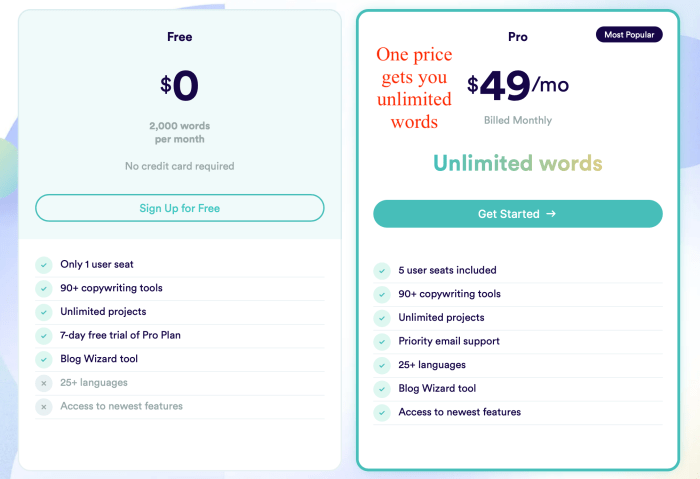
Many AI writing tools offer free trial or freemium options that allow users to test their functionalities before making a financial commitment. These options, however, often come with limitations that are important for users to understand.The free trials typically provide access to basic features, with some restrictions on usage limits. For example, Writesonic’s free trial offers a limited number of credits, which may not suffice for extensive content generation.
In contrast, tools like Copy.ai provide a free version with a substantial range of features but might restrict access to the latest updates or customer support.
“Free trials are a great way to explore the capabilities of a tool before investing.”
In summary, while the pricing models differ significantly between tools, evaluating the features alongside the cost provides a clearer picture of value for money. Users should weigh their specific writing needs against the tool’s capabilities and associated costs to make an informed decision.
Performance in Content Quality
The effectiveness of AI tools in content writing largely hinges on the quality of the content they produce. Content quality is a multifaceted aspect, encompassing clarity, coherence, creativity, and relevance to the target audience. By comparing different AI tools, we can discern which solutions deliver superior content and how they stack up against traditional writing methods.When evaluating content quality across various AI writing tools, we must consider several performance metrics that highlight their strengths and weaknesses.
Metrics such as readability, originality, engagement levels, and adherence to specific guidelines play a crucial role in determining overall effectiveness. Below are detailed insights into how leading AI tools, including Kami, perform in these areas:
Comparison of Content Quality
The following elements are critical for assessing the content quality generated by different AI tools:
- Readability: Readability measures how easy a text is to understand. Tools like Kami often excel in this area, producing content that maintains a natural flow and is accessible to a wider audience. Studies suggest that content generated by Kami often scores highly on the Flesch-Kincaid readability tests, making it suitable for both casual and professional contexts.
- Originality: Originality ensures that the content is unique and free from potential plagiarism. Many AI tools implement algorithms to check for originality. For example, tools such as Jasper and Copy.ai have been noted for their ability to create fresh content, but user testimonials often highlight Kami’s prowess in generating original ideas, thus enhancing creativity.
- Engagement: Engagement refers to how well the content resonates with its intended audience. Kami often produces conversational content that invites interaction, while other tools might generate more static text. User testimonials have reflected that businesses using Kami have noticed higher engagement rates on social media platforms and blogs.
- Adherence to Guidelines: Many industries require content to meet specific standards. Tools like Grammarly’s writing assistant and ProWritingAid focus heavily on grammar and style adherence, which can be beneficial for formal writing tasks. However, AI tools like Kami are praised for their adaptability, allowing users to specify tone and style preferences effectively.
Additionally, case studies illustrate the effectiveness of these AI tools. For instance, a marketing agency employing Kami reported a 30% increase in blog traffic due to its engaging content. Another user highlighted that using Jasper for social media posts led to a 25% boost in shares due to its catchy phrasing and originality. In terms of evaluating content quality, here are some key metrics that further clarify the performance of these AI tools:
| Metric | Kami | Jasper | Copy.ai |
|---|---|---|---|
| Readability Score | High | Moderate | Moderate |
| Originality | Very High | High | High |
| Engagement Level | High | Moderate | Moderate |
| Guideline Adherence | Flexible | Strict | Moderate |
“The content generated by Kami not only resonates with our audience but also brings a fresh perspective that other tools lack.”
Marketing Director, XYZ Agency
Use Cases for Different User Groups: Chatgpt Vs Other Ai Tools For Content Writing
As the landscape of content creation evolves, various user groups are discovering unique ways to leverage AI tools like Kami and others for their specific needs. This section will explore how businesses, freelancers, and students can benefit from these tools, along with examples of content types they can generate across different industries.
Business Applications
Businesses can utilize AI content writing tools to streamline their marketing efforts, enhance customer engagement, and optimize internal communication. These tools can assist in generating a wide range of content, including blog posts, social media updates, product descriptions, and email newsletters. For instance, a retail company can use AI-generated product descriptions that highlight key features, improve rankings, and ultimately drive sales.
An example of this might be a clothing brand using AI to create engaging narratives around new collections, which can then be shared across various platforms.
Freelancer Utilization
Freelancers, particularly those in writing, marketing, and content strategy, benefit significantly from AI tools. These resources allow them to produce high-quality content quickly, enabling them to take on more projects and meet tight deadlines. An example includes freelance graphic designers who can use AI-generated copy for their presentations or client pitches. By creating compelling narratives and effective taglines, they can enhance their portfolios.
Additionally, freelance writers can leverage AI to draft articles or blog posts, refining them to match their unique voice before submission.
Student Benefits
Students can harness AI tools for a variety of academic and creative writing tasks. From drafting essays and research papers to generating study notes and summaries, these tools can significantly enhance their writing efficiency and improve overall academic performance.A practical application would be a student in a literature course using AI to analyze themes and characters from texts. This AI-generated content can serve as a springboard for deeper discussions in class or as a foundation for individual presentations.
Furthermore, students working on group projects can utilize AI for brainstorming ideas and compiling research into cohesive presentations.
Future Trends in AI Content Writing

The landscape of AI content writing is evolving rapidly, with various emerging trends signaling a transformative future. As technology advances, we can expect AI tools to become increasingly sophisticated, enabling them to produce more human-like and contextually aware content. This shift will not only affect the quality of written material but also redefine the roles of writers and content creators across multiple industries.One of the key trends in AI development for writing tools is the shift toward enhanced personalization.
AI algorithms are becoming more adept at analyzing user data, preferences, and behavior. This capability allows for the tailoring of content that resonates with specific audiences. The importance of personalized content cannot be overstated, as it not only increases engagement but also drives conversion rates.
Integration of Natural Language Processing and Understanding
The future of AI content writing is heavily reliant on advancements in Natural Language Processing (NLP) and Natural Language Understanding (NLU). These technologies empower AI systems to comprehend context, tone, and nuances in human language, leading to more coherent and relevant outputs. As these technologies continue to mature, the following impacts are anticipated:
- Improved Contextual Accuracy: AI writing tools will be able to grasp the context of topics more deeply, allowing them to generate content that aligns closely with user intent.
- Greater Emotional Intelligence: Future AI will recognize and adapt to the emotional tone of content, making it possible to create empathetic narratives that resonate with readers.
- Seamless Multilingual Capabilities: With advancements in translation technology, AI will produce high-quality content in multiple languages, breaking down barriers in global communication.
The integration of these capabilities will elevate the quality of AI-generated content, making it more relatable and engaging for readers.
Automation and Collaboration with Human Writers
The relationship between AI tools and human writers will evolve into a more collaborative dynamic. Rather than replacing human creativity, AI will serve as an assistant, streamlining the writing process and enhancing productivity. The potential benefits of this collaborative approach include:
- Faster Content Production: AI can handle repetitive tasks such as research and basic drafting, enabling writers to focus on creative aspects and complex storytelling.
- Enhanced Creativity: With AI suggesting ideas and structures, writers may find new inspiration, leading to innovative content that combines human creativity with AI efficiency.
- Real-time Feedback: AI tools will be capable of providing immediate feedback on writing style, grammar, and readability, allowing writers to make adjustments on the fly.
This partnership will likely lead to a significant shift in writing professions, where adaptability and collaboration with AI systems become essential skills.
Impact on Writing Professions and Industries
As AI content writing tools become more prevalent, the writing profession will undergo notable changes. The demand for traditional copywriting may diminish, but new opportunities will emerge as industries adapt to these technologies. The potential impacts include:
- Emergence of New Roles: Professionals skilled in overseeing AI-generated content, ensuring quality, and providing a human touch will be in demand.
- Shift in Skillsets: Writers will need to adapt by learning to work alongside AI tools, embracing data analytics, and understanding AI-driven content strategies.
- Growth in Content Strategy and Ethics: With AI’s ability to produce vast amounts of content, there will be an increased focus on content strategy and ethical considerations regarding authenticity and originality.
The fusion of AI and human creativity is set to redefine the content landscape, leading to a future where both can coexist and flourish together.
Last Word
In conclusion, the landscape of AI tools for content writing is rich and varied, presenting users with an array of options tailored to different needs and preferences. As we’ve explored, understanding the unique functionalities and experiences each tool offers can significantly impact the quality and efficiency of writing projects. As AI continues to evolve, so too will the capabilities of these tools, promising even more innovative solutions for content creators in the years to come.
FAQ Resource
What is the primary advantage of using AI tools for content writing?
The primary advantage is that AI tools can significantly speed up the content creation process while maintaining quality, allowing users to focus on strategic tasks.
Are AI writing tools suitable for all types of content?
While many are versatile, some tools are better suited for specific types of content, such as blog posts, marketing copy, or academic writing.
Can AI-generated content be used as-is without editing?
Typically, it’s recommended to review and edit AI-generated content to ensure it aligns with your unique voice and accuracy standards.
How do AI writing tools handle different languages?
Many tools offer multi-language support, allowing users to generate content in various languages, though proficiency may vary by tool.
What considerations should be made regarding plagiarism with AI-generated content?
It’s essential to run AI-generated content through plagiarism checkers, as there is a risk of generating similar content inadvertently.