Best Ai Tools For Seo Optimization And Keyword Research Unleashed
Best Ai Tools For Seo Optimization And Keyword Research – Best Ai Tools For Optimization And Research is gaining momentum among digital marketers looking to enhance their strategies. As we delve into this fascinating realm, we will explore how artificial intelligence has transformed the landscape of , making it more effective and efficient than ever before. With these tools, businesses can significantly improve their online visibility and stay ahead of the competition.
AI tools have evolved rapidly, offering unique features that simplify complex tasks like research and content optimization. In this discussion, we will highlight essential characteristics that make these tools indispensable for marketers, and provide insights into their practical applications in real-world scenarios.
Overview of AI Tools in
The landscape of search engine optimization () has undergone significant transformation over the past few years, primarily driven by advancements in artificial intelligence (AI). These tools have evolved from simple algorithms to sophisticated systems capable of analyzing vast amounts of data and providing actionable insights that can dramatically improve website visibility.AI tools in leverage machine learning and data analytics to optimize content, analyze user behavior, and predict trends.
This evolution has led to a range of benefits for website owners, marketers, and professionals. By using AI, businesses can enhance their strategies, making them more efficient and data-driven, ultimately resulting in improved search engine rankings and increased organic traffic.
Benefits of Using AI Tools for
The incorporation of AI tools in strategies brings multiple advantages, making it easier for businesses to adapt to the ever-changing digital landscape. Understanding these benefits is crucial for leveraging AI effectively. Here are some key advantages:
- Data-Driven Insights: AI tools analyze massive datasets to uncover patterns and trends that human analysts may overlook. This insight helps in crafting targeted content strategies that resonate with users.
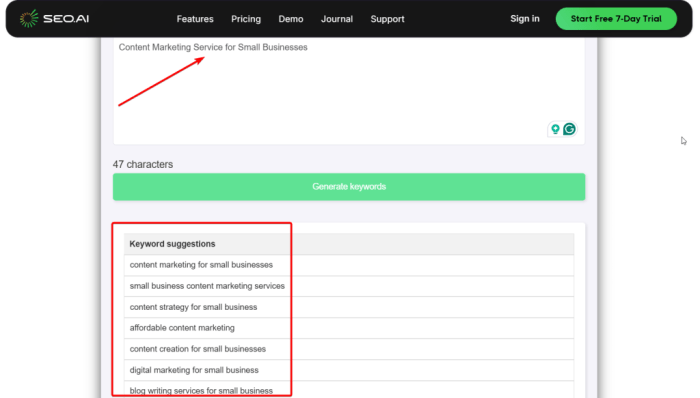
- Enhanced Research: AI-powered tools can identify high-potential s and phrases that competitors might be missing, allowing for more strategic content creation.
- Content Optimization: AI can provide recommendations for optimizing existing content by suggesting relevant topics, improving readability, and even enhancing meta tags to boost search performance.
- Predictive Analytics: By analyzing historical data, AI tools can forecast which s and content types are likely to perform well in the future, helping businesses stay ahead of trends.
- Automation of Repetitive Tasks: Many AI tools can automate tasks such as backlink analysis and reporting, freeing up valuable time for professionals to focus on strategic planning.
Utilizing AI in not only streamlines many processes but also positions businesses to respond proactively to changes in search engine algorithms and user behavior. This adaptability is crucial in maintaining a competitive edge in the digital marketplace.
AI tools are revolutionizing by providing data-driven insights that enhance website visibility and engagement.
Features of Effective AI Tools
Effective AI tools for optimization and research come packed with features tailored to enhance productivity and results. These tools analyze vast amounts of data, providing insights that can significantly impact a website’s visibility. A successful AI tool integrates advanced algorithms, a user-friendly interface, and functionality that addresses the specific needs of tasks, making it indispensable for marketers and businesses alike.One of the most important aspects of AI tools is their ability to provide accurate and actionable insights.
Features such as suggestion engines, competitor analysis, and performance tracking not only streamline the optimization process but also empower users to make informed decisions. These functionalities enhance user experience, allowing marketers to focus on strategy rather than getting bogged down in data analysis.
Essential Features for Tools
When evaluating AI tools for , certain features stand out as essential for effectiveness. Here’s a look at some key functionalities that enhance overall performance:
- Research Capabilities: Robust research tools provide suggestions based on search volume, competition, and relevance. For instance, tools that showcase long-tail s can help target niche audiences effectively.
- Competitor Analysis: Analyzing competitor strategies allows users to identify gaps in their own approach. AI tools that offer insights into competitors’ rankings and backlink profiles can inform better strategies.
- Content Optimization: Effective tools provide real-time suggestions for content improvements based on best practices. Features that analyze readability, density, and meta tags help enhance search visibility.
- Performance Tracking: The ability to monitor performance through dashboards displaying rankings, traffic sources, and conversion metrics is crucial. Tools that integrate with Google Analytics provide comprehensive insights.
- Automated Reporting: Automated report generation saves time and provides visual data that is easy to interpret. This feature enables users to quickly track progress and present findings to stakeholders.
Each of these features plays a critical role in optimizing a website’s strategy. For example, an effective research tool can reveal high-potential s that competitors may overlook, allowing proactive content creation and optimization efforts.
“AI tools transform raw data into actionable insights, shaping successful strategies.”
By integrating these functionalities, effective AI tools not only enhance user experience but also drive tangible results for efforts. Their ability to adapt and evolve with ongoing changes in search engine algorithms ensures that users remain competitive in the ever-changing digital landscape.
Comparison of Leading AI Tools: Best Ai Tools For Seo Optimization And Keyword Research
The landscape of optimization and research is constantly evolving, with numerous AI tools available to help marketers and businesses refine their strategies. This comparison highlights some of the leading AI tools, providing insights into their features, pricing, user ratings, and an analysis of their strengths and weaknesses. Understanding these factors will assist users in making informed decisions based on their specific needs.Below is a table that compares popular AI tools for optimization:
| Tool Name | Key Features | Pricing | User Rating |
|---|---|---|---|
| Ahrefs | Comprehensive backlink analysis, explorer, rank tracking, content explorer | Starting at $99/month | 4.8/5 |
| SEMrush | research, site audit, competitive analysis, PPC research | Starting at $119.95/month | 4.7/5 |
| Moz Pro | explorer, site audits, on-page optimization, rank tracking | Starting at $99/month | 4.6/5 |
| Surfer | Content optimization, SERP analysis, research, AI writing assistant | Starting at $59/month | 4.5/5 |
The tools listed above each have unique strengths and weaknesses, crucial for users to consider based on individual requirements.
Ahrefs is renowned for its robust backlink analysis, making it ideal for users focused on link building and competitive research.
Ahrefs stands out with its extensive database and capability for deep audits. However, its pricing may be steep for small businesses.
SEMrush provides a comprehensive suite of tools, excelling in competitive analysis and PPC capabilities, making it a favorite among digital marketers.
While SEMrush offers an impressive set of features, its complexity can be overwhelming for beginners, leading to a steeper learning curve.
Moz Pro excels at providing clear and actionable insights, which is beneficial for users new to .
Moz’s user-friendly interface is a highlight, but some users may find its database less extensive compared to competitors like Ahrefs.
Surfer ‘s content optimization tools are valuable for users looking to improve their on-page .
Surfer is particularly effective for content creators but lacks the depth in tracking found in tools like SEMrush and Ahrefs.Choosing the right tool depends on your specific goals in optimization and research. By understanding the strengths and weaknesses of these leading AI tools, users can better align their choices with their strategies.
Methods for Optimizing Content with AI Tools
To effectively optimize content using AI tools, it’s crucial to understand the best practices and techniques that ensure your content is not only aligned with search engine algorithms but also resonates with your audience. AI tools can analyze vast amounts of data, providing insights that enhance content visibility and performance. By leveraging these insights, marketers can refine their content strategies to improve and drive more organic traffic.When it comes to integrating AI suggestions into existing content strategies, there are several techniques that can be utilized to maximize the impact of these tools.
Here are some best practices that can help:
Best Practices for Using AI Tools in Content Optimization
Utilizing AI tools requires a strategic approach to fully harness their capabilities. Below are key best practices that can enhance your content optimization efforts:
- Utilize AI for Analysis: AI can analyze search trends and user intent, helping you discover relevant s that may not be immediately obvious. Tools like SEMrush and Ahrefs can suggest high-performing s based on current data.
- Leverage Content Suggestions: AI tools often provide content ideas based on trending topics and user interests. Use these suggestions to create relevant and timely content that meets your audience’s needs.
- Optimize Readability: AI tools can assess the readability of your content, suggesting improvements that make your writing more accessible. Tools like Grammarly can help refine grammar and style, enhancing the overall quality.
- Analyze Competitor Content: AI can analyze competitors’ content to identify gaps and opportunities. Understanding what works for your competitors can inform your own content strategy and drive better results.
Integrating AI Suggestions into Content Strategies
Integrating AI-generated suggestions into your established content strategy can be done seamlessly with the right approach. Here are some effective techniques:
- Incorporate AI Insights into Planning: Before creating new content, use AI tools to gather insights on audience preferences and trending topics. This will guide your content calendar and ensure relevance.
- Enhance Existing Content: Use AI tools to analyze your current content for performance. By identifying underperforming pieces, you can update them with new s and improved readability based on AI suggestions.
- Monitor Performance with AI Analytics: Post-publication, utilize AI analytics to track content performance. AI can provide real-time data on user engagement and rankings, allowing for quick adjustments as necessary.
- Test and Iterate: Regularly test different content formats and styles based on AI recommendations. Analyzing the results helps refine your approach and adopt what resonates best with your audience.
“AI tools are not just about automation; they provide strategic insights that can lead to more informed content decisions.”
Role of AI in Research
AI has revolutionized the way marketers approach research by enhancing efficiency and accuracy. Utilizing sophisticated algorithms, AI can analyze vast amounts of data in a fraction of the time it would take a human, uncovering valuable insights that help businesses optimize their strategies. This technology not only simplifies the process of discovering high-potential search terms but also refines the selection of s to enhance online visibility and engagement.AI tools streamline the research process by leveraging machine learning to identify trends, patterns, and user intent.
One of the primary methods for utilizing these tools is through predictive analytics, which enables marketers to forecast performance based on historical data. This means that businesses can focus on terms that are not only relevant but also likely to drive traffic and conversions. Additionally, AI can cluster related s, helping marketers to understand the topical relevance of their content better and optimize it accordingly.
Analyzing Competition for Selected Terms
Understanding the competitive landscape is crucial when selecting s. AI tools can perform in-depth analyses of competitors’ s, allowing businesses to identify gaps and opportunities. Key methods for leveraging AI in competition analysis include:
Competitor Tracking
AI-driven tools can monitor the s that competitors are targeting, providing insights into their strategies. This includes tracking changes in their rankings and identifying which terms are driving the most traffic to their sites.
Content Gap Analysis
AI can identify s that competitors are ranking for but that your site is not. By analyzing content performance and relevance, businesses can address these gaps with targeted content strategies.
Backlink Analysis
AI tools can analyze the backlink profiles of competitors, which is essential for understanding the strength of their strategies. By identifying high-quality backlinks that competitors possess, marketers can develop their backlink strategies to enhance their positioning.
Search Intent Analysis
AI can categorize s based on user intent—informational, navigational, or transactional. This classification helps businesses to tailor their content strategy to meet user needs, ensuring that the selected s resonate with the target audience.Utilizing these AI-driven methods allows marketers to not only discover high-potential s but also to gain a competitive edge by understanding the broader landscape. Implementing these strategies positions businesses to make informed decisions that lead to improved outcomes and higher engagement rates.
Case Studies on AI Tool Implementation
The integration of AI tools into strategies has been a game changer for many businesses, leading them to achieve remarkable results. By leveraging these technologies, companies not only streamline their processes but also enhance their decision-making capabilities. This section presents real-world examples showcasing how businesses have successfully implemented AI tools for optimization and the measurable impacts they’ve experienced.
Successful Applications in
Several organizations have harnessed the power of AI tools to optimize their efforts, resulting in significant boosts in their online visibility and organic traffic. Here are a few notable case studies that illustrate these successes:
- Company A – E-Commerce Leader: After implementing an AI-driven research tool, Company A identified high-potential s that were previously overlooked. This initiative led to a 40% increase in organic traffic over six months. The AI tool analyzed competitors and suggested long-tail s that resonated with their target audience, enhancing the overall content strategy.
- Company B – Tech Startup: Utilizing an AI content optimization platform, Company B optimized existing blog posts for better search rankings. The tool provided actionable insights on density and readability. As a result, the startup witnessed a 55% improvement in their average search ranking position within four months, along with a 30% increase in user engagement metrics.
- Company C – Digital Marketing Agency: By integrating an AI analytics tool, Company C was able to automate their reporting process and gain deeper insights into client campaigns. This transition resulted in a 25% reduction in time spent on analytics and reporting, allowing team members to focus more on strategy development. Clients reported a 15% increase in conversions, demonstrating the direct impact of enhanced data-driven decision-making.
The insights gained from these case studies highlight the diverse applications of AI tools in , emphasizing their effectiveness in research, content optimization, and data analytics.
“AI tools not only enhance strategies but also transform how businesses understand and engage with their audience.”
These examples underscore the potential of AI technologies to not only improve search rankings and visibility but also to streamline operations and increase overall business efficiency.
Anticipating Future Trends in AI Tools
As the digital landscape continues to evolve, the integration of AI in tools is becoming increasingly sophisticated. Marketers must remain vigilant in recognizing the emerging trends that shape the future of and research. By staying ahead of these trends, businesses can develop more effective digital marketing strategies that align with the changing environment.One significant trend is the growing emphasis on user experience (UX) as a ranking factor.
Search engines are prioritizing websites that offer seamless and engaging interactions. This shift necessitates the development of AI tools that analyze user behavior in real-time, allowing marketers to adjust their strategies accordingly.
Integration of Machine Learning in , Best Ai Tools For Seo Optimization And Keyword Research
Machine learning is set to revolutionize how tools function. By leveraging vast amounts of data, machine learning algorithms can identify patterns and predict user behavior more accurately than traditional methods. This capability allows for the development of more refined strategies and content optimization techniques. For instance, tools that utilize machine learning can analyze factors such as time spent on page, bounce rates, and click-through rates to provide insights into what content resonates with audiences.
As these tools become more sophisticated, they will enable brands to deliver tailored content experiences that enhance engagement and drive conversions.
Voice Search Optimization
With the rise of smart speakers and voice-activated devices, optimizing for voice search is becoming essential. AI tools are evolving to assist marketers in understanding the nuances of voice search queries, which are often more conversational and longer than typed search terms. The implications of this trend are significant. Businesses will need to adapt their strategies to focus on natural language processing and long-tail s.
AI tools that analyze speech patterns and common questions can help marketers craft content that aligns with how users phrase their queries verbally.
Predictive Analytics for Content Creation
Predictive analytics is gaining traction as a tool for anticipating content needs and trends. By analyzing historical data and current market trends, AI tools can suggest topics that are likely to generate interest and engagement. This approach not only saves time in content planning but also ensures that the produced content is relevant to the audience’s needs. For example, a predictive analytics tool might highlight a surge in interest around sustainability, prompting a brand to create timely content around eco-friendly practices.
AI-Powered Competitive Analysis
As competition intensifies in various industries, AI tools are increasingly focusing on competitive analysis. These tools can provide insights into competitors’ strategies, including their rankings, backlink profiles, and content performance. Marketers can leverage this data to refine their own strategies and identify gaps in the market. For instance, if a competitor is gaining traction for specific s, an AI tool can signal the need for a more aggressive approach to those terms or suggest related topics that have less competition.
Staying ahead of AI trends in is not just about technology; it’s about adapting to a market that is increasingly driven by data and user-centric design.
Getting Started with AI Tools for
As more businesses turn to AI to enhance their strategies, understanding how to effectively select and implement these tools is essential for beginners. This guide aims to provide a straightforward approach to getting started with AI tools specifically designed for optimization and research. The integration of AI tools into processes can significantly streamline efforts, enhance productivity, and lead to better optimization outcomes.
However, employing these technologies requires careful consideration and strategic planning to avoid pitfalls that can hinder success.
Step-by-Step Guide to Selecting and Implementing an AI Tool
Selecting the right AI tool involves evaluating various factors to ensure it aligns with your specific needs. The following steps Artikel a clear process for beginners:
1. Identify Your Goals
Before choosing a tool, clarify what you aim to achieve. Whether it’s improving rankings, analyzing competitors, or enhancing website content, having precise goals helps in selecting a relevant tool.
2. Research Available Tools
Look into various AI tools available on the market. Some popular options include SEMrush, Ahrefs, and Moz. Each tool offers unique features that cater to different aspects of , such as tracking, backlink analysis, and site audits.
3. Read Reviews and Comparisons
Explore user reviews and comparison articles to gauge the effectiveness of the tools. Pay attention to feedback regarding ease of use, customer support, and overall value for money.
4. Consider Your Budget
Determine how much you are willing to spend on an AI tool. Many offer tiered pricing structures, so find a tool that fits your budget while still providing the features you need.
5. Take Advantage of Free Trials
Utilize free trials when available. This allows you to test the tool’s functionalities without commitment and assess if it meets your expectations.
6. Implement the Tool
Once you’ve selected a tool, follow the provided onboarding process. Familiarize yourself with its features and integrate it into your workflows gradually.
7. Monitor Performance
After implementation, continuously track the results generated by the tool. Use analytics to assess its effectiveness in meeting your goals and make adjustments as necessary.
Common Pitfalls to Avoid When Starting with AI in Efforts
Diving into the world of AI can be exciting, but certain missteps are common among beginners. Recognizing these pitfalls can save time and resources:
Neglecting Training and Learning
Many users rush into using AI tools without proper training. Take the time to learn the features and functionalities, as this enhances proficiency and maximizes the tool’s potential.
Over-reliance on Automation
While AI can automate various tasks, over-relying on it may lead to a lack of personal insight into your strategies. Always pair automation with human analysis for optimal results.
Ignoring Data Privacy and Security
Ensure that the AI tools you choose comply with data protection regulations. This is crucial to safeguard sensitive information and maintain user trust.
Failing to Adapt Strategies
is not static; algorithms and best practices evolve. Avoid sticking to a single strategy even if the tool seems effective initially. Regularly adapt and fine-tune your approach based on data insights and industry trends.
Not Collaborating with Team Members
If you’re part of a team, ensure collaboration when using AI tools. Sharing insights and findings enhances overall strategy and fosters a culture of continuous improvement.
“Successful is not just about using the right tools; it’s about using them wisely and adapting to the ever-changing digital landscape.”
Closing Notes

In summary, leveraging Best Ai Tools For Optimization And Research can lead to remarkable improvements in your website’s performance and ranking. By integrating AI into your strategies, you not only optimize your content but also gain valuable insights into dynamics and competitor analysis. As these tools continue to advance, they will undoubtedly shape the future of digital marketing.
Helpful Answers
What are the most popular AI tools for ?
Some of the most popular AI tools for include SEMrush, Ahrefs, and Moz, each offering unique features for research and optimization.
How can AI tools improve my efforts?
AI tools can streamline research, automate content optimization, and provide analytics that help identify trends and opportunities.
Are AI tools suitable for beginners?
Yes, many AI tools are designed with user-friendly interfaces, making them accessible for beginners while still offering advanced features for experienced users.
Can AI tools replace human experts?
While AI tools can enhance efficiency and provide data-driven insights, they are best used in conjunction with human expertise to create effective strategies.
What should I look for when choosing an AI tool for ?
Key factors to consider include features, pricing, user reviews, and how well the tool integrates with your existing marketing platforms.