Best Ai Tools For Content Writing And Seo Optimization
Best Ai Tools For Content Writing And Seo Optimization – Best Ai Tools For Content Writing And Optimization are revolutionizing the way we create and optimize content. These innovative tools leverage artificial intelligence to streamline the writing process, enhance creativity, and improve search engine visibility. As the demand for high-quality content continues to grow, understanding the capabilities and benefits of these AI tools becomes essential for writers and marketers alike.
From automating mundane tasks to generating fresh ideas, AI tools play a pivotal role in modern content strategies. They not only boost efficiency but also ensure that the content resonates well with target audiences while adhering to best practices.
Overview of AI Tools for Content Writing
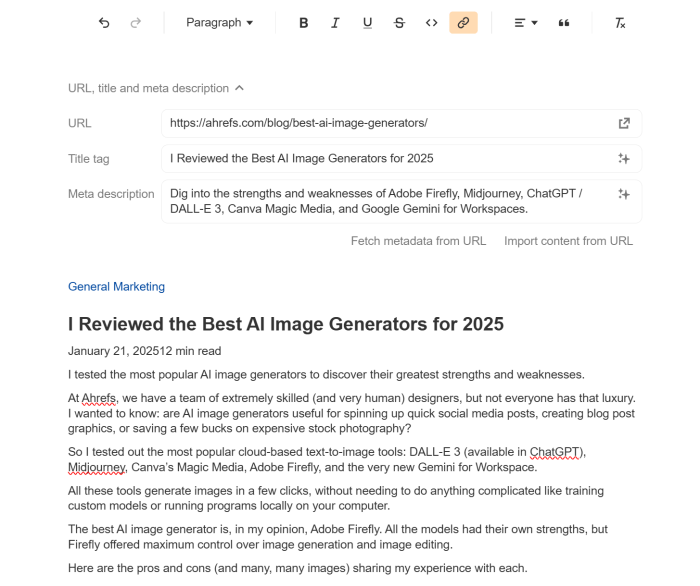
Artificial Intelligence (AI) tools for content writing have emerged as transformative resources, streamlining the writing process and enhancing productivity. These tools leverage sophisticated algorithms and machine learning to assist writers, marketers, and businesses in generating high-quality content efficiently. With the rapid advancement of technology, AI tools are not only becoming more accessible but also more adept at understanding language nuances, tone, and style.The evolution of AI in content creation has been remarkable.
Initially, AI was primarily used for basic text generation and grammar checks. However, over the years, advancements in natural language processing (NLP) and deep learning have enabled AI tools to offer more complex functionalities. Today, these tools can analyze audience behavior, suggest topics, optimize content for , and even personalize content based on user preferences. They have transitioned from simple aides to sophisticated partners in the writing process.
Key Features of Effective AI Tools for Writing
To understand what makes an AI tool effective for content writing, it is important to explore the key features that these technologies offer. These features not only enhance the writing process but also ensure that the content produced meets industry standards.
- Natural Language Processing (NLP): NLP allows AI tools to understand and generate human-like text. This capability enables the creation of coherent and contextually relevant content.
- Optimization: Many AI writing tools come equipped with features that analyze s, assess content readability, and suggest improvements to enhance search engine rankings.
- Content Suggestions: AI tools can analyze trends and audience preferences to suggest engaging topics and writing styles that resonate with the target demographic.
- Grammar and Style Checks: Advanced grammar correction and style improvement features help ensure that the content is polished and adheres to specific writing standards.
- Plagiarism Detection: Many AI tools include plagiarism detection capabilities, ensuring that the content produced is original and free from copyright issues.
- Collaboration Tools: These features facilitate easy collaboration among team members, allowing for real-time editing, feedback, and content management in a shared workspace.
AI tools for content writing are not just about automation; they are about enhancing creativity and efficiency in the writing process.
Benefits of Using AI Tools for Content Writing
Utilizing AI tools in content writing offers a myriad of advantages, revolutionizing the way writers approach their craft. These tools not only streamline the writing process but also enhance creativity and maintain a cohesive tone across various pieces of content. Here’s a closer look at the substantial benefits these AI-driven solutions provide.
Enhancement of Writing Efficiency
AI tools significantly improve writing efficiency by automating repetitive tasks that often consume valuable time. By leveraging advanced algorithms, these tools can generate drafts, suggest edits, and even create Artikels, allowing writers to focus on higher-level creative thinking. For instance, AI writing assistants like Grammarly or ProWritingAid offer real-time suggestions for grammar and style, enabling writers to make quick revisions without losing their flow.
As a result, what could take hours might only require a fraction of that time, leading to an increase in productivity and output quality.
Impact on Creativity and Idea Generation
AI tools serve as catalysts for creativity, helping writers brainstorm new ideas and concepts. They can analyze vast amounts of data to identify trending topics, s, and audience preferences, providing valuable insights that inspire fresh content directions. An example of this is the AI tool BuzzSumo, which analyzes shared content across social platforms to determine what resonates with audiences. Writers can use this data to generate engaging topics, refine their angle, and ultimately craft content that is more likely to engage readers.
Consistency in Tone and Style, Best Ai Tools For Content Writing And Seo Optimization
Maintaining a consistent tone and writing style across various pieces is crucial for brand identity. AI tools can analyze existing content to understand the unique voice of a writer or brand, ensuring that subsequent content aligns with established guidelines. Tools like Jarvis (now known as Jasper) utilize machine learning to adapt to a writer’s specific style, enabling them to produce new content that feels cohesive with previous works.
This function is particularly beneficial for businesses that need to maintain a uniform voice across multiple authors, enhancing professionalism and brand cohesion.
“AI tools in content writing do not replace creativity but rather augment it, allowing for a new level of efficiency and consistency.”
Top AI Tools for Content Writing
AI writing tools have revolutionized the way content is generated, making it easier for writers, marketers, and businesses to produce high-quality content efficiently. These tools leverage advanced algorithms and machine learning to assist in creating everything from blog posts to social media updates. With a variety of options available, it’s crucial to identify which tools stand out in terms of usability and effectiveness.
This section explores some of the leading AI writing tools currently on the market, highlighting their unique features, usability, and overall effectiveness. Understanding these tools will help users select the right one for their specific content needs.
Leading AI Writing Tools
The following tools are recognized for their capabilities in enhancing content writing, each offering distinct features that cater to different user needs.
- Jasper AI: Known for its versatility, Jasper AI can create various content types, including blog posts, ads, and social media content. Its user-friendly interface allows users to generate content quickly, while its advanced templates improve efficiency in writing.
- Grammarly: Primarily known for grammar checking, Grammarly has also introduced AI-powered writing suggestions that enhance clarity and tone. It offers real-time feedback, making it ideal for writers focused on improving their overall writing quality.
- Copy.ai: This tool specializes in generating marketing copy and social media posts. Its intuitive design allows for quick content generation, and it offers various templates tailored for different purposes, making it particularly useful for marketers.
- Writesonic: With features aimed at both -friendly content generation and creative writing, Writesonic stands out for its ability to produce long-form content based on user prompts. It provides useful tools for creating engaging articles and even landing pages.
- Rytr: Known for its affordability, Rytr offers a comprehensive writing assistant that can help in drafting emails, blog posts, and more. Users can choose a tone and style, allowing for personalized content generation.
Comparison of AI Writing Tools
To facilitate an informed decision, below is a comparison table that highlights the key features, pricing, and user ratings of the top AI writing tools. This information is essential for potential users to weigh the benefits against costs effectively.
| Tool | Key Features | Pricing | User Rating (out of 5) |
|---|---|---|---|
| Jasper AI | Versatile content creation, templates for different formats | Starts at $29/month | 4.8 |
| Grammarly | Grammar and style checking, tone suggestions | Free version available, Premium starts at $12/month | 4.7 |
| Copy.ai | Marketing copy generation, various templates | Starts at $35/month | 4.5 |
| Writesonic | Long-form content generation, tools | Starts at $15/month | 4.6 |
| Rytr | Affordable content assistant, customizable tone | Starts at $9/month | 4.4 |
“The right AI writing tool can save you hours, improve your content quality, and boost your productivity.”
AI Tools for Optimization
AI tools play a significant role in enhancing the visibility and ranking of content on search engines. With the ever-evolving algorithms of search engines, leveraging artificial intelligence in strategies has become essential for achieving high-quality traffic and engagement. These tools can analyze vast datasets, helping marketers and content creators make informed decisions that improve content performance.The primary function of AI tools in optimization revolves around their ability to process and analyze data to identify trends and opportunities.
They can suggest s, optimize content structure, and even predict user behavior based on historical data. This capability not only streamlines the optimization process but also empowers users to create content that resonates well with their target audience while adhering to the latest best practices.
Key Features of AI Tools Enhancing Performance
Several features of AI tools significantly contribute to improving effectiveness. These include:
Research and Suggestions
AI tools can analyze search volume, competition, and trends to recommend the most effective s for content strategies.
Content Optimization
These tools assess existing content against standards, providing suggestions for improvements in structure, readability, and placement.
Competitor Analysis
AI can evaluate competitors’ content and strategies, identifying gaps and opportunities for differentiation.
Predictive Analytics
Utilizing historical data, AI tools can forecast user behavior and content performance, helping marketers adjust their strategies proactively.
Automated Reporting
AI tools automate the generation of performance reports, saving time and providing insights into what’s working or what needs adjustment.To illustrate the landscape of AI tools specifically designed for optimization, here is a curated list of some notable options:
- SEMrush: A comprehensive digital marketing tool that excels in research and competitive analysis.
- Ahrefs: Known for its robust backlink analysis and extensive database.
- Moz Pro: Offers tools for tracking, site audits, and page optimization suggestions.
- MarketMuse: Uses AI to help content creators optimize their articles for topical relevance and density.
- Surfer : Provides on-page optimization insights based on top-ranking pages for specific s.
- Frase: Focuses on content creation by suggesting topic ideas and optimizing content for search intent.
- Clearscope: Enhances content quality by providing suggestions and readability scoring.
Integration of AI Tools in Content Strategy
Integrating AI tools into your existing content strategy can significantly enhance productivity and effectiveness. As the digital landscape evolves, incorporating these cutting-edge technologies allows content creators to optimize their workflow and maintain high-quality standards without compromising creativity. This section delves into practical methods for seamlessly integrating AI tools into your content strategy, monitoring their effectiveness, and implementing them within your content workflow.
Incorporation of AI Tools into Existing Content Strategies
To effectively incorporate AI tools into your content strategy, begin by identifying areas where these technologies can add value, such as content ideation, writing, editing, or optimization. The integration process can be structured through the following steps:
1. Assess Needs
Evaluate the current content strategy and identify gaps or inefficiencies that AI can address, such as repetitive tasks or data analysis.
2. Select Appropriate Tools
Choose AI tools that align with your identified needs. For example, use AI writing assistants for content generation and AI analytics tools for performance tracking.
3. Pilot Testing
Implement the selected tools on a small scale to measure their impact on workflow and content quality before a full-scale rollout.
4. Training and Support
Provide training for team members to ensure they understand how to use the tools effectively and can leverage their full potential.
5. Integration with Existing Processes
Ensure that AI tools fit seamlessly within your current workflow to avoid disruption. Create guidelines for how and when to use these tools.
Monitoring and Evaluating the Effectiveness of AI-Generated Content
Once AI tools are in use, it is crucial to monitor and evaluate the effectiveness of the AI-generated content. This ensures that the output aligns with strategic goals and maintains quality standards. Here are key methods for evaluating their effectiveness:
Set Clear KPIs
Define key performance indicators (KPIs) such as engagement rates, conversion rates, and rankings to measure content success.
Use Analytics Tools
Implement analytics tools to track the performance of AI-generated content. These tools can provide insights into user behavior and content reach.
Collect Feedback
Gather feedback from team members and audience interaction to assess how well the content resonates with readers.
Regular Review Cycles
Establish regular review cycles to analyze the effectiveness of the content and make necessary adjustments based on performance data.
Step-by-Step Guide for Implementing AI Tools within a Content Workflow
Implementing AI tools within your content workflow requires a systematic approach to ensure success. The following step-by-step guide provides a comprehensive framework:
1. Define Objectives
Clearly Artikel the objectives for using AI tools in your content strategy, such as improving efficiency or enhancing .
2. Choose the Right Tools
Based on your objectives, select AI tools that best fit your needs. For instance, tools like Jasper or Grammarly can enhance writing, while SEMrush can improve .
3. Create a Strategy Document
Develop a strategy document that Artikels how AI tools will be integrated, including roles, responsibilities, and timelines.
4. Train Your Team
Conduct training sessions for your team to familiarize them with the chosen tools and best practices for their use.
5. Integrate with Existing Tools
Ensure that new AI tools can work in conjunction with existing content management systems and other relevant software.
6. Launch a Pilot Program
Start with a pilot program to implement the tools in a controlled environment, allowing for fine-tuning based on feedback and performance.
7. Gather Data and Refine
After the pilot, gather data on the effectiveness of the AI tools and refine your approach based on findings.Implementing AI tools in a content strategy can streamline processes, enhance quality, and ultimately drive better results. By following these structured steps, organizations can ensure a smooth integration that aligns with their overall content goals.
Case Studies of Successful AI Tool Implementation
The integration of AI writing tools has transformed how businesses approach content creation and optimization. This section highlights notable case studies of organizations that embraced these technologies, showcasing the tangible results achieved and the challenges they faced during implementation.Several businesses have successfully adopted AI writing tools, leading to significant improvements in their content production processes and effectiveness. The adoption of these tools often comes with its own set of challenges, requiring companies to adapt and find solutions that suit their unique needs.
Real-World Examples of AI Tool Implementation
The following examples illustrate how different businesses leveraged AI writing tools to enhance their content strategies:
-
Company A: E-commerce Brand
Company A faced difficulties in generating product descriptions that were engaging and optimized for search engines. By integrating an AI writing tool, they streamlined their writing process and improved placement, resulting in a 40% increase in organic traffic.
-
Company B: Digital Marketing Agency
Company B struggled with producing timely blog posts for multiple clients. After adopting AI writing tools, they managed to reduce content production time by 50%, allowing them to take on more clients without sacrificing quality.
-
Company C: Technology Startup
This startup needed to create technical documentation quickly. With AI tools, they generated user manuals that not only met the technical requirements but were also user-friendly, leading to a 30% reduction in customer support inquiries.
Challenges and Solutions During Integration
Integrating AI writing tools into existing workflows often poses several challenges. Below are the common hurdles businesses faced, along with the solutions they implemented:
-
Challenge of Employee Resistance
Some employees were hesitant to adopt AI tools, fearing job displacement. To address this, companies conducted training sessions that emphasized the benefits of AI as an aid rather than a replacement.
-
Technical Difficulties
Many businesses encountered technical issues during the initial setup. Collaborating with AI tool providers for support and investing in reliable IT infrastructure helped mitigate these challenges.
-
Quality Control
Ensuring content quality remained a concern. Companies implemented review processes where human editors would refine AI-generated content, ensuring it met the brand’s standards.
Before and After: Results Comparison
To provide a clearer picture of the impact of AI tools, the following table summarizes key performance indicators (KPIs) before and after implementation for the highlighted companies.
| Company | Metric | Before AI Tools | After AI Tools |
|---|---|---|---|
| Company A | Organic Traffic Increase | 1000 visits/month | 1400 visits/month |
| Company B | Content Production Time | 10 hours/week | 5 hours/week |
| Company C | Customer Support Inquiries | 200 inquiries/month | 140 inquiries/month |
“The adoption of AI writing tools has not only improved efficiency but has also enhanced the overall quality of our digital content.”
Marketing Director, Company B
Future Trends in AI Writing and Tools
The landscape of content creation and optimization is rapidly changing, driven by advancements in AI technology. As these tools evolve, they offer new capabilities that could redefine how marketers approach content development, audience engagement, and search engine rankings. Understanding these trends is crucial for anyone looking to stay ahead in the digital marketing space.One significant trend is the increasing integration of natural language processing (NLP) and machine learning algorithms in AI writing tools.
These advancements enable AI to generate more human-like text and understand context better, making it easier for businesses to create high-quality content efficiently. Additionally, the incorporation of predictive analytics allows marketers to tailor their strategies based on data-driven insights, enhancing overall effectiveness in reaching target audiences.
Emerging Trends and Predictions
As we look to the future, several key trends are expected to shape content marketing strategies:
Personalization at Scale
AI tools are becoming adept at customizing content for individual users. This trend means content will be tailored based on user behavior and preferences, creating a more engaging experience.
Voice Search Optimization
With the rise of voice-activated devices, content will increasingly be optimized for voice search. This shift requires a different approach to , focusing on natural language queries and conversational phrases.
Real-time Content Creation
AI will enable real-time content updates and generation. This ability allows businesses to respond quickly to trends or events, maintaining relevance and engagement with their audience.
Visual Content Generation
The development of AI tools that can create visual content, such as infographics and videos, will complement written content. This multi-format approach will enhance user engagement and improve rankings.
Enhanced Analytics and Reporting
Future AI tools will offer more advanced analytics capabilities, allowing marketers to gain deeper insights into content performance and audience behavior, leading to more informed strategy adjustments.
Increased Collaboration between Humans and AI
Future tools will focus on enhancing human creativity rather than replacing it. This collaborative model will enable content creators to leverage AI for research, idea generation, and even editing, while still maintaining their unique voice and style.
Ethical AI Usage
As AI becomes more integrated into content creation, discussions around ethical considerations will grow. Marketers will need to navigate issues related to transparency, plagiarism, and the authenticity of AI-generated content.Understanding these emerging trends allows businesses to anticipate changes in consumer behavior and adapt their content marketing strategies accordingly. By harnessing the power of AI writing and tools, companies can enhance their content’s relevance, reach, and effectiveness in an increasingly competitive digital landscape.
Ethical Considerations in AI Content Creation
The rise of AI tools in content writing and optimization has brought about exciting possibilities but also raises significant ethical concerns. As these technologies become integral to content creation, it’s essential to navigate the complexities of authenticity, originality, and transparency in their application. Understanding these ethical considerations helps ensure that the use of AI serves not only business needs but also respects the integrity of the content and its audience.The implications of using AI for writing and stretch beyond mere technical performance.
It involves the responsibility of creators to uphold ethical standards while leveraging these advanced tools. Misuse of AI can lead to issues such as plagiarism, misinformation, and a dilution of genuine human creativity. Therefore, establishing best practices is crucial for maintaining the authenticity of AI-generated content.
Maintaining Authenticity and Originality in AI-Generated Content
While AI can produce content at scale, ensuring that this content is original and authentic remains a priority. Originality is crucial in establishing trust with your audience and building brand reputation. Here are several best practices to maintain authenticity:
- Utilize AI as a co-writer rather than a complete replacement. This approach allows for human oversight, creativity, and unique voice to shine through.
- Run AI-generated content through plagiarism detection tools to ensure its originality before publishing.
- Regularly update and refine AI algorithms based on user feedback and changing trends to maintain relevance and authenticity.
- Incorporate personal experiences or insights into AI-generated drafts to make the content more relatable and unique.
Ensuring Transparency When Using AI Tools
Transparency is vital when employing AI in content creation. Maintaining clear communication with your audience about the use of AI fosters trust and credibility. Guidelines for ensuring transparency include:
- Clearly label AI-generated content, making it known to readers that certain pieces were created or enhanced by AI tools.
- Provide context about how AI was used in the content creation process, such as detailing the specific tools and methodologies employed.
- Educate your audience on the advantages and limitations of AI-generated content to set realistic expectations and encourage informed consumption.
- Regularly disclose any potential biases in AI algorithms that could affect the content produced.
“Maintaining ethical standards in AI content creation not only safeguards brand integrity but also promotes a healthier digital landscape for all.”
Conclusive Thoughts: Best Ai Tools For Content Writing And Seo Optimization

In summary, the use of AI tools for content writing and optimization opens up new avenues for creativity and efficiency. By embracing these technologies, writers and businesses can enhance their content strategies and stay ahead of the competition. As we continue to explore the future of AI in content creation, it’s clear that these tools will be invaluable in shaping the landscape of marketing and communication.
FAQ Corner
What are AI tools for content writing?
AI tools for content writing are software solutions that utilize artificial intelligence to assist in creating, editing, and optimizing written content.
How can AI tools improve writing efficiency?
AI tools can automate repetitive tasks, provide writing suggestions, and facilitate quick content generation, significantly speeding up the writing process.
Are AI-generated content pieces original?
While AI can generate unique content, it’s crucial to review and edit for authenticity to ensure originality and maintain a human touch.
Do AI tools help with ?
Yes, many AI tools are designed specifically for optimization, helping to enhance usage, readability, and overall content performance in search engines.
Can I integrate AI tools into my existing content strategy?
Absolutely! AI tools can be seamlessly integrated into existing workflows to enhance productivity and content quality.
What are the ethical considerations of using AI in writing?
Ethical considerations include maintaining transparency, ensuring originality, and addressing potential biases in AI-generated content.