How To Use AI For E Commerce Sales Growth Simplified
How To Use AI For E Commerce Sales Growth is becoming a game changer for online businesses looking to enhance their sales performance. AI technology offers innovative solutions that not only streamline operations but also personalize the shopping experience for customers. As e-commerce evolves, understanding and implementing AI tools is essential for staying competitive in the market.
This guide will explore the multifaceted role of AI in e-commerce, highlighting current trends, popular tools, and the significant benefits of integrating these advanced technologies. From enhancing customer service to optimizing inventory management, the potential for growth is remarkable.
Introduction to AI in E-Commerce
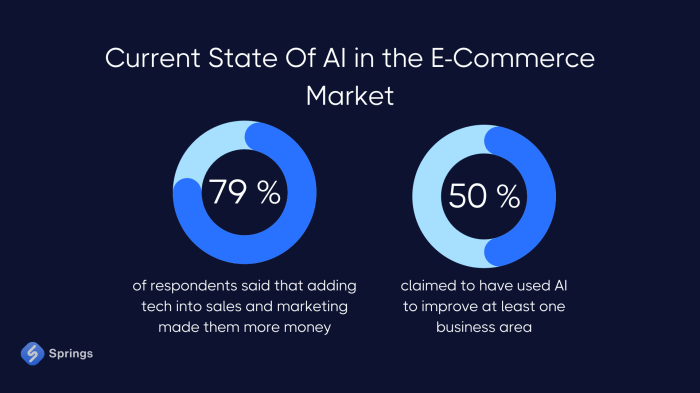
Source: alvacommerce.com
Artificial Intelligence (AI) is revolutionizing the e-commerce landscape by enabling businesses to leverage data more effectively and streamline operations. The integration of AI technologies is not just a trend, but a fundamental shift in how e-commerce businesses engage with customers and optimize their sales strategies. With the ability to analyze vast amounts of data, AI provides insights that help businesses tailor their offerings, enhance customer experiences, and ultimately drive sales growth.In recent years, various AI applications have emerged within the e-commerce sector, reshaping everything from inventory management to customer service.
Technologies such as machine learning, natural language processing, and predictive analytics are becoming commonplace. Retailers are now using AI to personalize shopping experiences, manage supply chains more efficiently, and even predict market trends. This transformation is not merely about automation; it’s about augmenting human decision-making with sophisticated algorithms that can analyze data at scale.
Current Trends in AI Applications in E-Commerce
Understanding the current trends in AI applications can provide valuable insight into how businesses can harness these technologies for growth. The following points highlight some of the most impactful trends currently shaping the e-commerce landscape:
- Personalization Engines: AI algorithms analyze customer behavior to deliver tailored shopping experiences, recommending products based on past purchases and browsing habits.
- Chatbots and Virtual Assistants: These tools improve customer service by providing instant responses to inquiries, helping customers navigate websites, and even facilitating transactions.
- Dynamic Pricing: AI systems analyze market conditions, competition, and demand fluctuations to optimize pricing strategies in real time, maximizing sales and profit margins.
- Inventory Management: AI facilitates smarter inventory decisions by predicting demand and optimizing stock levels, thus reducing overhead costs and increasing turnover rates.
- Fraud Detection: Advanced algorithms identify and mitigate fraudulent transactions by analyzing patterns in transaction data, ensuring safer online shopping experiences.
Integrating these AI applications can significantly amplify sales growth and operational efficiency. Each of these trends not only enhances customer satisfaction but also provides businesses with a competitive edge in a rapidly evolving market.
Benefits of Integrating AI for Sales Growth in E-Commerce
The benefits of integrating AI into e-commerce strategies are manifold, contributing to both short-term and long-term sales growth. Businesses that adopt AI technologies can expect to experience the following advantages:
- Enhanced Customer Insights: AI tools allow businesses to analyze customer data more effectively, leading to a better understanding of customer preferences and behaviors.
- Improved Marketing Efficiency: AI can optimize marketing campaigns through predictive analytics, ensuring that advertising spend is directed towards the most likely converting segments of the audience.
- Increased Conversion Rates: Personalized shopping experiences foster higher customer engagement and satisfaction, ultimately increasing the likelihood of conversions.
- Cost Reduction: By automating various processes, such as customer service and inventory management, businesses can reduce operational costs while maintaining service quality.
- Scalability: AI solutions can easily scale to meet the needs of growing businesses, adapting to increased data and customer volumes without significant additional investment.
The potential to enhance sales growth through AI is backed by numerous success stories. For instance, online retailers utilizing AI-driven recommendations have reported increases in average order values by up to 30%. This underscores the importance of AI as a catalyst for growth and innovation in the e-commerce sector.
AI Tools for E-Commerce
In the fast-paced world of e-commerce, leveraging AI tools has become essential for businesses aiming to enhance their sales and improve operational efficiency. These tools not only streamline various processes but also provide insights that can significantly impact decision-making. By adopting AI technologies, e-commerce brands can offer personalized experiences, optimize inventory management, and automate customer service.AI tools automate a wide array of processes in the e-commerce sector, helping businesses save time and resources while enhancing customer satisfaction.
From personalized product recommendations to efficient inventory management systems, these tools enable e-commerce platforms to function smoothly and effectively. Below are some of the most popular AI tools currently transforming the landscape of online retail.
Popular AI Tools in E-Commerce
Several AI tools have gained traction among e-commerce businesses for their ability to drive growth and enhance user experiences. Here are some noteworthy examples:
- Shopify’s AI-Powered Product Recommendations: This built-in tool analyzes customer behavior to suggest products tailored to individual preferences, significantly increasing the likelihood of purchase.
- AdRoll: This marketing platform uses AI algorithms to target ads to customers based on their shopping habits, enhancing the effectiveness of digital advertising campaigns.
- Phrasee: An AI tool specializing in email marketing, Phrasee crafts subject lines and email content that resonate with recipients, leading to higher open and conversion rates.
- Clerk.io: This AI solution leverages machine learning to provide personalized search results and product recommendations, improving overall user experience on e-commerce websites.
- Zalando’s Visual Search: Zalando utilizes AI to enable visual search functionality, allowing customers to upload images of products they like and receive similar recommendations from their inventory.
The automation provided by these tools can dramatically enhance the efficiency of various operational processes. For instance, AI can help businesses manage inventory levels more effectively by predicting demand trends, allowing for timely restocking and minimizing overstock situations.
Successful Implementations of AI Tools
Real-world examples highlight the successful implementations of AI tools in e-commerce. These case studies illustrate the transformative power of AI technologies and the significant benefits they can offer.
- Amazon’s AI-Powered Customer Service: Amazon employs AI-driven chatbots in their customer service operations, allowing for immediate responses to queries and reducing wait times significantly. This has resulted in improved customer satisfaction ratings.
- Sephora’s Virtual Artist: Sephora uses augmented reality (AR) paired with AI to allow customers to try on makeup virtually before making a purchase. This tool has led to increased engagement and higher conversion rates.
- Stitch Fix’s Personal Styling: Stitch Fix combines AI with human stylists to provide personalized clothing selections for its customers. The AI analyzes customer preferences and trends, which has contributed to the company’s impressive growth in subscriptions.
- eBay’s AI-Powered Customer Insights: eBay uses machine learning algorithms to analyze purchasing habits, allowing sellers to optimize their listings and inventory, which has resulted in increased sales for many vendors on the platform.
The integration of these AI tools into e-commerce strategies not only automates processes but also allows businesses to focus on innovation and customer relationships, driving sales growth and improving overall performance.
Personalization Strategies
In the highly competitive world of e-commerce, personalization has become a key driver for customer engagement and sales growth. AI technologies enable businesses to tailor experiences to individual customer preferences, significantly enhancing the shopping journey. This section delves into how AI can enhance personalization strategies, leading to improved customer satisfaction and loyalty.AI can analyze vast amounts of customer data to discern patterns and preferences that inform personalized marketing strategies.
By leveraging machine learning algorithms, e-commerce platforms can predict customer behavior, tailor product recommendations, and create targeted marketing campaigns. This not only boosts sales but also fosters a deeper connection between the brand and the customer, as shoppers feel understood and valued.
Customer Behavior Analysis
Understanding customer behavior is crucial for effective personalization. AI systems can track various customer interactions, from browsing history to purchase patterns. Here are some techniques for utilizing AI in behavior analysis:
Predictive Analytics
AI can analyze past purchases and browsing habits to predict future buying behavior, allowing businesses to recommend products that a customer is likely to want.
Segmentation
By clustering customers based on their behaviors and preferences, AI can create targeted segments for more precise marketing efforts.
Real-Time Data Processing
AI offers the ability to analyze customer data in real-time, providing immediate insights that can be used to tweak marketing strategies on the fly.These techniques enable e-commerce businesses to create customized experiences that resonate with their customers, driving engagement and increasing conversion rates.
Examples of Personalized Shopping Experiences, How To Use AI For E Commerce Sales Growth
Several leading e-commerce platforms have successfully implemented AI-driven personalization strategies that have transformed the shopping experience. Here are notable examples:
Amazon
The platform employs a sophisticated recommendation engine that suggests products based on user behavior, past purchases, and similar customer profiles. This has contributed significantly to upselling and cross-selling efforts.
Netflix
Though primarily a streaming service, Netflix employs similar e-commerce tactics by suggesting shows and films based on viewing history, ensuring users find content that matches their interests, thereby increasing retention.
Sephora
The beauty retailer uses AI to offer personalized product recommendations through their mobile app. Customers can receive tailored suggestions based on their previous purchases and even virtual try-ons using augmented reality technology.These examples showcase how personalization not only enhances the user experience but also leads to increased sales and customer loyalty, proving that AI-driven strategies are essential in modern e-commerce landscapes.
Inventory Management with AI: How To Use AI For E Commerce Sales Growth
In the fast-paced world of e-commerce, effective inventory management is crucial for maintaining a competitive edge. Artificial Intelligence (AI) plays a transformative role in optimizing inventory management processes, offering tools that enhance accuracy, reduce costs, and improve customer satisfaction. By leveraging AI, businesses can make data-driven decisions that align stock levels with consumer demand, thus minimizing overstock and stockouts.AI serves as a powerful ally in forecasting demand and managing stock levels.
Through advanced algorithms, AI analyzes historical sales data, seasonal trends, and external factors such as market conditions or economic indicators. This allows businesses to predict future demand with greater accuracy, enabling them to adjust their inventory accordingly. For instance, during peak shopping seasons like Black Friday, AI can optimize stock levels based on predictive analytics, ensuring that popular items are readily available without overcommitting resources on less popular items.
Methods for Using AI to Forecast Demand
Implementing AI for demand forecasting involves several key methods that significantly enhance the accuracy of inventory management:
Machine Learning Algorithms
These algorithms analyze vast datasets to identify patterns and correlations between various factors that influence sales. For example, retailers can use machine learning to examine how weather impacts demand for certain products, such as coats in winter or drinks during summer.
Predictive Analytics
By leveraging historical sales data, predictive analytics helps businesses foresee trends and make informed decisions related to stock levels. For example, a grocery store can predict an increase in sales for specific products during holidays based on previous years’ data.
Real-time Data Monitoring
AI tools can provide real-time insights into inventory levels and sales activity, allowing businesses to react promptly to changes in demand. For example, if a particular item is selling faster than anticipated, AI can trigger alerts for restocking, ensuring that supply meets demand.
Automated Inventory Tracking
AI integrates with inventory management systems to automate stock tracking, reducing human error and providing accurate, up-to-date inventory counts. This allows retailers to maintain optimal stock levels effortlessly.To further illustrate the differences between traditional inventory management and AI-driven approaches, the following table provides a comparative analysis:
| Aspect | Traditional Inventory Management | AI-Driven Inventory Management |
|---|---|---|
| Forecasting Accuracy | Relies on historical data and manual calculations | Utilizes machine learning to analyze complex datasets for improved accuracy |
| Response Time | Slow response to changing market conditions | Real-time monitoring and instant alerts for stock adjustments |
| Stock Level Optimization | Based on estimates and gut feelings | Data-driven insights to align stock levels with projected demand |
| Human Error | Prone to errors in data entry and manual oversight | Minimized human error through automated data tracking |
| Resource Allocation | Often inefficient due to overstocking or stockouts | Optimizes resource allocation through accurate demand forecasting |
Customer Service Automation
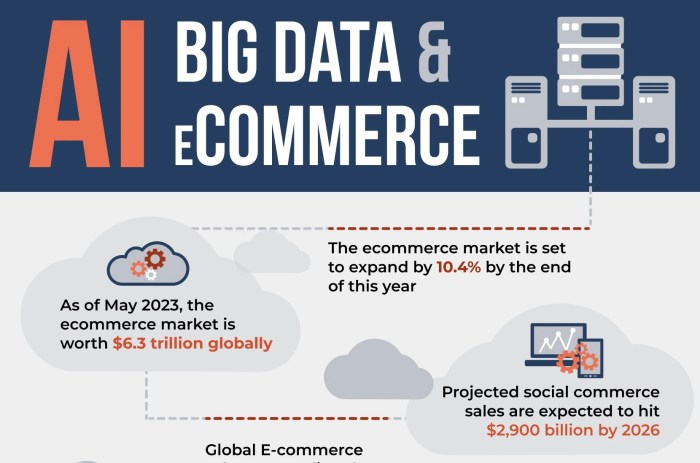
Source: go-globe.com
In the fast-paced world of e-commerce, providing exceptional customer service can be a game-changer. One of the most effective ways to enhance customer interaction is through the use of AI chatbots. These digital assistants have transformed how businesses communicate with their customers, offering support that is both efficient and accessible.AI chatbots are designed to respond to customer inquiries in real-time, operating seamlessly across various platforms.
By utilizing natural language processing and machine learning, these chatbots can understand and respond to a wide range of queries, significantly improving the customer experience. This automation not only speeds up response times but also allows human agents to focus on more complex issues that require a personal touch.
Types of Inquiries AI Chatbots Can Handle
AI chatbots are equipped to manage numerous types of customer inquiries, making them invaluable in the e-commerce sector. Understanding the types of questions they can address is essential for maximizing their effectiveness. Here are some primary categories of inquiries that AI chatbots can handle:
- Order Status: Customers often seek updates on their order shipments. Chatbots can provide real-time tracking information and estimated delivery dates, reducing anxiety and enhancing customer satisfaction.
- Product Information: Shoppers frequently have questions regarding product specifications, availability, and pricing. AI chatbots can quickly provide detailed information, assisting customers in making informed purchasing decisions.
- Returns and Exchanges: Handling returns can be a sensitive subject. Chatbots can guide customers through the return process, outlining necessary steps and policies, which streamlines the experience for both parties.
- Payment Issues: Customers may encounter challenges during checkout. Chatbots can assist by answering questions related to payment methods, troubleshooting issues, and providing support for transactions.
- Account Management: Many customers require assistance with their accounts, such as password resets or updating personal information. Chatbots can facilitate these requests swiftly and securely.
- General Inquiries: From shipping policies to business hours, chatbots can address a wide variety of general questions, ensuring that customers receive the information they need promptly.
The implementation of AI chatbots in e-commerce not only enhances operational efficiency but also fosters a more satisfying customer experience. With 24/7 availability, these solutions ensure that customers can receive assistance whenever they need it, making it easier for businesses to retain loyal customers.
Marketing Automation Using AI
Artificial Intelligence (AI) is revolutionizing the way businesses approach marketing, particularly in the realm of e-commerce. By leveraging AI technologies, companies can streamline their marketing efforts, enhance customer engagement, and ultimately drive sales growth. The automation of marketing campaigns through AI allows for more efficient use of resources, helping businesses to focus on strategic growth while improving overall customer experience.AI-driven marketing automation involves utilizing algorithms and machine learning to analyze data and optimize marketing strategies in real-time.
This technology can manage and execute campaigns across various channels without constant human intervention, allowing for personalized experiences based on consumer behavior and preferences. Businesses can target specific audiences more effectively, leading to higher conversion rates and improved ROI.
Strategies for Automating Marketing Campaigns Using AI
Implementing effective strategies for marketing automation is crucial for maximizing the benefits of AI technology. Here are some key approaches that businesses can adopt:
Predictive Analytics
Utilizing AI to analyze past customer behavior and predict future actions helps businesses tailor their marketing strategies to meet consumer needs.
Email Marketing Automation
AI can segment audiences and personalize email content based on individual preferences, increasing engagement and conversion rates.
Chatbots for Customer Interaction
Deploying AI-powered chatbots on e-commerce sites provides instant customer support and aids in guiding consumers through the purchasing process.
Social Media Automation
AI tools can schedule posts, analyze engagement patterns, and even curate content, ensuring businesses maintain a consistent online presence.
Dynamic Pricing Strategies
AI can analyze market conditions and customer behavior to adjust pricing in real-time, optimizing sales opportunities.The effectiveness of AI-driven advertising and targeting becomes evident through enhanced precision in reaching the right audience. By analyzing large volumes of data, AI algorithms can identify patterns and trends that human marketers might overlook. This leads to more targeted advertising campaigns that resonate with potential customers.
Advantages of Using AI in Marketing Efforts
The integration of AI into marketing strategies offers several advantages that can significantly boost e-commerce performance. These benefits include:
Increased Efficiency
Automated processes reduce the time spent on manual tasks, allowing marketers to focus on strategy and creativity.
Personalization
AI enables highly personalized marketing messages, enhancing customer satisfaction and loyalty.
Data-Driven Insights
Real-time data analysis provides valuable insights, helping businesses make informed decisions and adjust strategies promptly.
Cost-Effectiveness
By automating routine tasks, companies can reduce operational costs while improving campaign performance.
Scalability
AI solutions can easily scale with the growing needs of a business, ensuring marketing efforts keep pace with expansion.
Enhanced Customer Experience
Personalized interactions and timely responses contribute to a positive shopping experience, driving repeat purchases.
“AI in marketing not only streamlines processes but also elevates the customer experience, making it a vital tool for e-commerce growth.”
As businesses continue to embrace AI technologies, the potential for marketing automation will only expand, paving the way for more innovative and effective marketing strategies in the e-commerce landscape.
Enhancing User Experience
AI plays a pivotal role in transforming the user experience on e-commerce platforms, ultimately driving sales growth. By leveraging advanced algorithms and data analysis, AI can create a more personalized, efficient, and enjoyable shopping experience for customers. This not only helps in retaining customers but also attracts new ones, contributing to overall business success.AI technology enables the analysis of vast amounts of user interaction data, which is crucial in tailoring website features to better meet consumer needs.
By understanding user behavior, preferences, and pain points, e-commerce platforms can optimize their website design to boost engagement and conversions.
Analyzing User Interaction Data
Effective analysis of user interaction data is vital for improving website design. AI tools can track and evaluate how users navigate a site, identifying popular products, common drop-off points, and overall engagement levels. This data-driven approach allows businesses to make informed decisions about layout, content placement, and feature enhancements. Key aspects include:
- User Journey Mapping: AI can map out the typical customer journey, revealing pathways that lead to successful conversions versus those that result in abandonment.
- Heatmaps and Click Tracking: By generating heatmaps, AI shows where users are clicking most frequently, helping to adjust design elements for better visibility and accessibility.
- A/B Testing: AI algorithms can automate A/B testing, rapidly assessing different design variations to determine which configurations yield higher engagement and sales.
Creating Seamless Checkout Processes
Streamlining the checkout process is essential for reducing cart abandonment and enhancing customer satisfaction. AI offers several methods to simplify and expedite this critical phase of the shopping experience. These methods ensure that customers can complete their purchases with minimal friction:
- Personalized Recommendations: AI can suggest complementary products during checkout, encouraging customers to add more items to their cart.
- One-Click Checkout: Advanced AI systems can remember user information securely, allowing for a faster checkout process with minimal input required from the customer.
- Fraud Detection: AI monitors transactions in real-time to detect and prevent fraudulent activities, ensuring a secure shopping experience for users.
- Chatbots for Assistance: AI-driven chatbots can provide instant support during checkout, answering questions and resolving issues on-the-spot.
“A seamless checkout process can lead to a 30% increase in conversion rates, demonstrating the power of AI in e-commerce.”
Predictive Analytics in Sales Growth

Source: t-gency.com
Predictive analytics is revolutionizing how e-commerce businesses approach sales growth. By leveraging advanced algorithms and machine learning techniques, companies can anticipate customer behavior, optimize inventory, and tailor marketing strategies. The integration of AI in predictive analytics not only enhances accuracy but also significantly boosts a company’s ability to make informed decisions based on data-driven insights.The significance of data-driven decision-making in e-commerce cannot be overstated.
It empowers businesses to identify trends, understand customer preferences, and streamline operations. This leads to enhanced customer experiences and, ultimately, higher sales figures. By utilizing AI-powered predictive analytics, e-commerce retailers can harness vast amounts of data to predict future sales and identify potential growth opportunities more effectively.
Comparison of Predictive Analytics Techniques with and without AI
The distinction between predictive analytics techniques using AI and those that do not is crucial for understanding their impact on sales growth. Traditional predictive analytics often relies on historical data and basic statistical methods, which can limit the depth and accuracy of insights. In contrast, AI-powered predictive analytics utilizes complex algorithms to analyze large datasets, discover intricate patterns, and make real-time predictions.Factors to consider when comparing these techniques include:
- Data Volume and Variety: AI can process vast and diverse data sets, including customer demographics, purchase history, and online behavior, leading to more nuanced predictions.
- Accuracy of Predictions: AI employs machine learning models that continuously improve as they are exposed to more data, which often results in higher accuracy compared to traditional methods.
- Speed of Analysis: AI systems can analyze data in real-time, allowing businesses to respond quickly to market trends and customer needs.
- Adaptability: AI algorithms can adapt to changing conditions and learn from new data, whereas traditional methods may require manual adjustments to remain relevant.
An example of AI’s effectiveness can be seen in retail giants like Amazon, which utilize predictive analytics to recommend products based on individual browsing and purchasing patterns, significantly increasing their sales. In contrast, a smaller e-commerce company relying solely on traditional methods may miss out on optimizing their marketing efforts due to a lack of comprehensive data analysis.In conclusion, the integration of AI into predictive analytics represents a transformative opportunity for e-commerce businesses.
By making informed, data-driven decisions, retailers can enhance their strategic planning and ultimately drive sales growth in an increasingly competitive landscape.
Future Trends of AI in E-Commerce
As e-commerce continues to evolve, artificial intelligence is at the forefront of transforming how businesses engage with consumers, optimize operations, and enhance sales growth. Understanding emerging trends in AI will be crucial for businesses looking to stay competitive and relevant in the market. The future promises a blend of innovative technologies that will redefine shopping experiences and operational efficiencies.One of the primary emerging trends in AI for e-commerce is the advancement of personalized shopping experiences through the use of machine learning algorithms.
These algorithms analyze consumer behavior, preferences, and purchase history to deliver tailored product recommendations. As personalization becomes more sophisticated, consumers will expect more relevant and timely interactions from brands, pushing businesses to adopt AI technologies swiftly.
Integration of Voice and Visual Search
The rise of voice-activated devices and visual search technology is changing how consumers search for products online. Companies can capitalize on these developments by implementing AI-driven voice search functionality and visual recognition capabilities on their platforms. To prepare for these changes, businesses should consider the following:
- Invest in voice-activated technology to enhance user experience.
- Incorporate visual search features that allow customers to upload images and find similar products.
- Optimize product listings for voice and visual search, ensuring clear descriptions and high-quality images.
By embracing these tools, businesses can significantly improve customer satisfaction and engagement.
AI-Driven Inventory Management
AI is expected to revolutionize inventory management by predicting demand trends and optimizing stock levels. Implementing AI systems can help businesses reduce excess inventory and minimize stockouts, leading to more efficient operations. Key considerations for adopting AI in inventory management include:
- Utilizing predictive analytics to forecast demand based on historical data and market trends.
- Automating reordering processes to ensure optimal stock levels are maintained.
- Implementing real-time inventory tracking for accurate visibility of stock across all channels.
These measures can lead to cost savings and improved cash flow, positioning businesses for growth.
Challenges and Solutions in Adopting New AI Technologies
While integrating AI technologies into e-commerce offers numerous benefits, several challenges may arise. Businesses may face obstacles such as data privacy concerns, the complexity of implementation, and the need for employee training. To address these challenges, companies can take proactive steps:
- Establish clear data governance policies to protect customer information and comply with regulations.
- Seek partnerships with AI solution providers to ease the implementation process.
- Invest in employee training programs to ensure staff are equipped with the necessary skills to leverage AI tools effectively.
Taking these actions can help mitigate risks and foster a smoother transition to AI-enhanced operations.
“Embracing AI in e-commerce is not just about keeping up; it’s about staying ahead of the curve.”
As the landscape of e-commerce continues to shift with advancements in AI, businesses that proactively adapt to these changes will find themselves in a stronger position to thrive in the competitive marketplace.
Conclusion
In conclusion, leveraging AI for e-commerce sales growth is not just an option; it’s a necessity for businesses aiming to thrive in a digital world. By adopting AI-driven strategies, companies can significantly improve their operational efficiency and customer satisfaction. Embracing these technologies today will pave the way for a more profitable and sustainable future in online retail.
Detailed FAQs
What are the main benefits of using AI in e-commerce?
AI improves efficiency, enhances customer personalization, and optimizes inventory management, ultimately leading to increased sales and customer satisfaction.
How can AI help with customer service in e-commerce?
AI chatbots can provide 24/7 support, handle common inquiries, and improve response times, enhancing overall customer experience.
What role does predictive analytics play in sales growth?
Predictive analytics allows businesses to forecast trends and customer behaviors, enabling informed decision-making that can drive sales growth.
How does AI enhance marketing efforts for e-commerce?
AI can automate marketing campaigns, improve targeting accuracy, and analyze customer data for more effective advertising strategies.
What are some emerging trends of AI in e-commerce?
Emerging trends include the use of AI for voice search optimization, augmented reality shopping experiences, and advanced data analytics to refine customer insights.