AI Tools For Social Media Growth And Engagement Strategies
AI Tools For Social Media Growth And Engagement are transforming the way brands connect with their audiences. As social media continues to evolve, incorporating AI technology has become essential for maximizing engagement and expanding reach. These tools not only streamline content creation and scheduling but also offer insightful analytics that empower marketers to tailor their strategies effectively.
In this discussion, we will delve into the various AI tools available, their benefits in enhancing user interaction, and how they can be leveraged for effective content generation. With a focus on analytics, automation, and personalization, we’ll explore the future trends in AI that promise to reshape the landscape of social media marketing.
Understanding AI Tools for Social Media
AI tools are software applications that leverage artificial intelligence to enhance various processes and tasks across different domains. In the realm of social media, these tools help businesses and individuals streamline their marketing efforts, engage audiences more effectively, and analyze performance metrics. The relevance of AI tools in social media growth is underscored by their ability to automate tasks, provide data-driven insights, and optimize content strategies, thereby enabling users to focus on creativity and relationship-building.Several popular AI tools have emerged in the social media management landscape, each designed to tackle specific challenges and provide unique solutions.
These tools not only assist in content creation and scheduling but also analyze audience engagement and sentiment, which is crucial for developing targeted marketing strategies. Examples include Hootsuite, which offers comprehensive social media management capabilities; Buffer, known for its user-friendly interface for scheduling posts; and Sprout Social, which provides in-depth analytics and reporting features.
Key Features of Effective AI Tools for Social Media Strategies
The effectiveness of AI tools in social media strategies can be attributed to several key features that enhance their functionality and user experience. Understanding these features is essential for maximizing their benefits.
- Automation: AI tools automate repetitive tasks such as scheduling posts, responding to comments, and monitoring brand mentions. This saves time and allows for consistent engagement without the manual effort involved.
- Data Analysis: These tools analyze large volumes of data to provide insights into audience behavior, engagement patterns, and content performance. This data-driven approach helps refine strategies and tailor content to audience preferences.
- Content Recommendations: AI can suggest optimal content types and posting times based on historical engagement data. This feature enhances the likelihood of reaching a wider audience and improving interaction rates.
- Sentiment Analysis: By analyzing user-generated content and comments, AI tools can assess public sentiment towards a brand or product. This feature is crucial for managing reputations and responding proactively to negative feedback.
- Trend Identification: AI tools can identify emerging trends in real-time, helping brands to stay relevant and capitalize on new opportunities in their marketing efforts.
“Utilizing AI tools in social media management can significantly improve efficiency, engagement, and insights, leading to enhanced brand presence and audience connection.”
These features collectively empower users to create more effective social media strategies, optimize their content, and engage their audiences in meaningful ways. By leveraging AI, brands can not only save resources but also gain a competitive edge in an increasingly crowded digital marketplace.
Benefits of Using AI for Social Media Growth
The integration of AI in social media strategies has transformed the way brands engage with their audience. By leveraging AI technology, businesses can enhance user engagement, create compelling content, and significantly increase their visibility in a crowded marketplace. The benefits are numerous, and understanding them can lead to more effective social media campaigns.AI-powered tools enhance user engagement by analyzing user behavior and preferences.
These tools can tailor content recommendations, optimize posting times, and even personalize interactions, ensuring that the audience feels valued and understood. Engaging users based on their interests leads to higher retention rates and more meaningful conversations.
Impact of AI-driven Content Creation on Brand Visibility
AI-driven content creation not only streamlines the production process but also ensures that the content resonates with the target audience. By analyzing trends and user data, AI tools can generate relevant topics and formats that attract viewers’ attention. This not only improves content quality but also amplifies brand visibility.Statistics illustrate the effectiveness of AI tools in boosting social media growth:
- Brands using AI-driven content strategies have seen a 50% increase in user engagement rates.
- According to a study by Gartner, 30% of all digital content will be created using AI by 2025.
- Social media posts enhanced by AI analytics can reach 150% more users than those created without assistance.
- Companies utilizing AI for customer interactions report a 70% reduction in response times, leading to improved customer satisfaction.
These statistics highlight the significant impact AI has on enhancing brand visibility and engagement. By harnessing the power of AI, brands can ensure they stay relevant, connected, and competitive in the fast-paced world of social media.
Effective use of AI in social media can lead to increased engagement and significant growth in brand visibility.
Key AI Tools for Content Creation
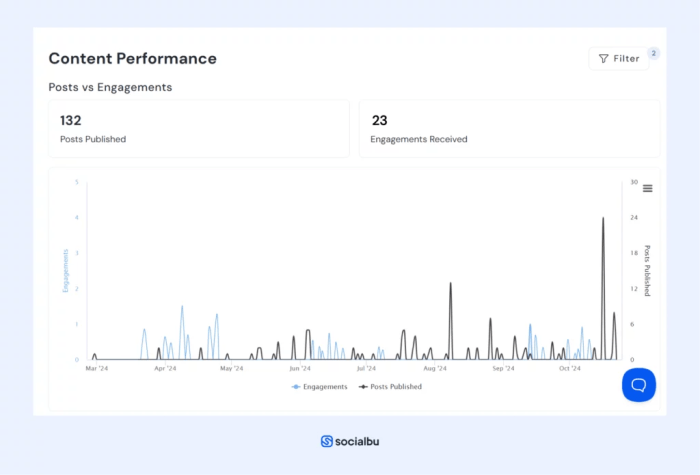
Source: socialbu.com
AI tools have transformed the landscape of social media content creation, enabling brands to generate engaging posts more efficiently. These tools leverage advanced algorithms to assist in everything from ideation to execution, ensuring that content resonates with targeted audiences. By integrating AI into their content strategies, businesses can enhance creativity, save time, and improve engagement metrics.The variety of AI tools available for content generation can be categorized into several types based on their primary functionalities.
The following sections highlight some of the most prominent tools in the market, each designed to simplify the content creation process and amplify user engagement.
Categories of AI Tools for Content Generation
There are several categories of AI tools that facilitate content creation for social media. These include:
- Content Generation Platforms: Tools like Jasper and Copy.ai utilize natural language processing to generate written content based on user prompts. These platforms are ideal for creating blog posts, social media captions, and ad copy.
- Graphic Design Tools: Platforms such as Canva and Adobe Spark use AI to assist users in creating visually appealing graphics, infographics, and social media posts quickly and easily.
- Video Creation Tools: Tools like Lumen5 and InVideo allow users to convert text into engaging videos, complete with visuals, animations, and soundtracks, using AI to automate much of the editing process.
- Content Analysis Tools: Tools such as BuzzSumo and SEMrush analyze existing content and engagement metrics to help brands understand what works best with their audience, thus informing future content strategies.
Comparison of Top Content Creation Tools
A comparative analysis of leading AI content creation tools reveals their unique features and advantages. The following table Artikels these elements, helping brands identify the most suitable tools for their needs.
| Tool | Type | Key Features | Pricing |
|---|---|---|---|
| Jasper | Content Generation | AI-driven text generation, templates for various content types, multiple languages supported. | Starting at $29/month |
| Canva | Graphic Design | Drag-and-drop interface, extensive template library, collaborative features. | Free with premium options starting at $12.99/month |
| Lumen5 | Video Creation | Converts blog posts to videos, automated scene selection, stock footage library. | Starting at $19/month |
| BuzzSumo | Content Analysis | Content research tools, influencer identification, performance metrics. | Starting at $99/month |
Case Studies of Successful AI Integration in Content Generation
Several brands have effectively utilized AI tools for content generation, yielding significant improvements in engagement and reach. For instance, a prominent e-commerce brand used Jasper to enhance their blog content and product descriptions, leading to a 30% increase in organic traffic within three months. The AI-generated content not only saved time but also improved rankings due to its optimization capabilities.In another case, a travel agency implemented Lumen5 to create captivating video content from customer testimonials and blog articles.
This strategy resulted in a 50% increase in social media shares, driving more traffic to their website and generating higher engagement rates.A digital marketing agency leveraged BuzzSumo to analyze trending content within their niche. The insights gained helped them craft high-performing posts that resonated well with their audience, ultimately increasing their social media following by 40% over six months.These examples illustrate the potential of AI tools in enhancing content creation strategies, proving that the right technology can lead to exceptional results in social media growth and engagement.
AI Analytics Tools for Engagement Tracking

Source: seobotai.com
AI analytics tools play a crucial role in understanding and enhancing user engagement on social media platforms. These advanced tools harness the power of artificial intelligence to analyze vast amounts of data, providing insights that can help businesses refine their strategies. With a focus on key performance indicators, AI analytics tools not only track engagement metrics but also offer predictive capabilities that are invaluable for future planning.AI analytics tools provide comprehensive functionalities that enable businesses to monitor social media performance effectively.
These tools collect data from various social media channels, analyzing likes, shares, comments, and overall user interactions. By employing machine learning algorithms, they can identify patterns and trends over time, allowing businesses to understand how their audience is responding to different types of content.
Functionalities of AI Analytics Tools
Several key functionalities define AI analytics tools and their effectiveness in social media engagement tracking. Understanding these functionalities is essential for leveraging the full potential of these tools:
- Real-Time Data Analysis: AI analytics tools provide real-time insights into social media performance, enabling marketers to make immediate adjustments to their strategies.
- Sentiment Analysis: By analyzing user comments and feedback, these tools assess the sentiment surrounding a brand or campaign, allowing for more nuanced engagement strategies.
- Audience Segmentation: AI can identify different segments within an audience based on engagement patterns, helping tailor content to specific groups.
- Content Performance Metrics: Detailed metrics on which types of content yield the best engagement rates can guide future content creation.
- Competitor Analysis: AI tools can also analyze competitors’ social media strategies, providing insights into what works and what doesn’t in the industry.
Interpreting analytics data is crucial for improving social media strategies. Understanding the metrics and how they relate to user behavior can shape more effective campaigns. Engagement metrics such as reach, impressions, and interaction rates should be analyzed in conjunction with audience demographics.
Methods for Interpreting Analytics Data
To effectively interpret analytics data, consider the following methods that can enhance social media strategies:
- Data Visualization: Utilize dashboards and visual reports to make complex data more digestible, allowing teams to spot trends quickly.
- KPI Benchmarking: Compare current performance against established KPIs to assess what is working and where improvements are needed.
- A/B Testing: Implement A/B tests on different content types to see which ones resonate more with the audience, using data to inform future content creation.
- Engagement Rate Calculation: Calculate engagement rates by dividing total interactions by total followers to gauge overall audience activity.
- Feedback Loop Creation: Establish a system to incorporate user feedback into strategy adjustments, ensuring that the content remains relevant to audience preferences.
AI’s predictive capabilities enhance the ability to anticipate trends in user behavior based on engagement metrics. By analyzing historical data, AI can identify potential shifts in user interests and behaviors, allowing businesses to stay ahead of the curve.
AI Prediction of Trends in User Behavior
AI’s ability to predict trends is a game-changer for social media strategies. Here’s how it works:
- Trend Identification: AI algorithms analyze vast datasets to identify emerging trends in user preferences before they become mainstream.
- Predictive Analytics Models: By utilizing predictive models, businesses can forecast future engagement based on past interactions and changing user behaviors.
- Scenario Simulation: AI tools can simulate various scenarios based on different content strategies, helping marketers understand potential outcomes.
- Real-Time Adjustments: With AI monitoring engagement, marketers can make real-time adjustments to content, ensuring it aligns with current trends.
- Case Studies: For example, platforms like Instagram and TikTok utilize AI to analyze user interactions, predicting which types of content will gain traction and suggesting them to users accordingly.
By leveraging AI analytics tools, businesses can not only track engagement more effectively but can also use insights to forecast and adapt to changing user preferences, driving sustained growth and engagement on social media.
Automation and Scheduling with AI

Source: covidvaccinesd.com
The rise of artificial intelligence has transformed how we manage social media, particularly when it comes to automation and scheduling. With the help of AI tools, businesses and individuals can streamline their content publishing processes, ensuring a consistent presence across various platforms without the manual effort traditionally required. This not only saves time but also enhances engagement by allowing users to post at optimal times for their audiences.AI tools assist in automating social media posting schedules by analyzing audience behavior and engagement patterns.
These tools can predict the best times to post based on when followers are most active, thereby maximizing reach and interaction. Furthermore, AI can create content calendars that align with marketing strategies, facilitating a more organized approach to social media management.
Automation Tools and Their Unique Features
Several automation tools have emerged, each offering distinctive features that cater to different needs. Understanding these tools can help users select the right one for their social media strategies. Here are some notable automation tools:
- Hootsuite: Known for its user-friendly interface, Hootsuite allows users to schedule posts across multiple platforms, monitor social media mentions, and analyze performance metrics all in one place.
- Buffer: Buffer offers a simple way to schedule posts and provides insights on post performance, allowing users to refine their social media strategy over time.
- Later: This tool specializes in visual content, allowing users to schedule Instagram posts with a drag-and-drop feature that makes planning easy and intuitive.
- Sprout Social: Sprout Social combines scheduling with robust reporting and analytics tools, helping users understand engagement and optimize strategies based on data-driven insights.
- SocialBee: This tool focuses on category-based scheduling, allowing users to organize posts into different categories for a more balanced content mix.
The advantages of automation in social media management are numerous. It allows for consistent posting, saves time, and can improve engagement through strategic timing. However, there are potential drawbacks as well. Over-reliance on automation can lead to a lack of genuine interaction with followers, and poorly timed posts may miss the mark entirely if not regularly monitored.
Automation is a powerful ally in social media, but balance is key to maintaining authenticity.
Personalization and Targeting Using AI
In the competitive landscape of social media, personalization and precise audience targeting have become vital for brands seeking to engage their users effectively. Artificial Intelligence (AI) plays a significant role in this realm by analyzing vast amounts of data to deliver tailored content that resonates with individual preferences. By leveraging AI algorithms, businesses can enhance their marketing strategies, ensuring that their efforts are not only seen but also appreciated by their target audiences.AI algorithms utilize complex data analysis to identify user behaviors, interests, and demographics on social media platforms.
This ability allows brands to segment their audiences more effectively and craft messages that speak directly to the needs and desires of specific groups. By understanding user interactions and feedback, AI can enable marketers to deploy targeted advertisements that are not only more likely to be clicked but also result in higher conversion rates.
Enhancing Audience Targeting
AI significantly improves audience targeting through several innovative methods that optimize how content reaches users. The following points illustrate key aspects of this enhancement:
- Data Analysis: AI algorithms analyze user data from social media interactions, providing insights into behavior patterns, preferences, and engagement levels.
- Predictive Analytics: By utilizing historical data, AI can predict future behaviors, enabling brands to proactively tailor their strategies to meet upcoming trends.
- Dynamic Segmentation: AI allows for the creation of dynamic audience segments that can shift in real-time based on user activity, ensuring that marketing efforts are always relevant.
- Personalized Recommendations: Utilizing machine learning, AI can suggest products or content based on individual user behavior, enhancing user experience and increasing engagement.
- Ad Targeting Optimization: AI enhances the precision of ad targeting by determining the best times and platforms to reach each segment of the audience.
Personalizing Content Based on User Data, AI Tools For Social Media Growth And Engagement
To effectively engage users, personalization is paramount. AI-driven methods allow brands to create targeted content that reflects user preferences and behaviors. The following strategies illustrate how brands can achieve this:
- User Behavior Tracking: AI collects data on user interactions across various platforms, providing insights that help tailor content based on previous engagement.
- Customized Messaging: Brands can develop unique messages for different audience segments, ensuring that the tone and style resonate with their specific demographics.
- Content Optimization: AI tools analyze which types of content perform best with different audience segments, allowing marketers to focus on producing high-performing materials.
- Real-Time Adjustments: AI can facilitate real-time changes in campaigns based on user feedback and engagement, ensuring ongoing relevance.
- Feedback Loop Integration: Continuously integrating user feedback into content strategies allows for ongoing refinement and personalization.
Ethical Considerations and Best Practices
When implementing AI for audience targeting, ethical considerations must be at the forefront of strategies. Brands are urged to adhere to best practices to avoid potential pitfalls related to data privacy and consumer trust. Key points to consider include:
- Transparency: Brands should communicate clearly with users regarding how their data is used, fostering trust and transparency in their practices.
- Data Privacy Compliance: Adhering to regulations such as GDPR ensures that user data is handled ethically and legally.
- Bias Mitigation: Addressing algorithmic bias is crucial for ensuring that AI-driven targeting does not unfairly disadvantage any group.
- Ethical Content Creation: Brands should strive to create content that respects user sensitivity and promotes positive engagement.
- User Control: Providing users with options to customize their data-sharing preferences enhances user autonomy and satisfaction.
“Ethical AI practices not only protect consumer interests but also build lasting brand loyalty.”
Future Trends in AI for Social Media
As social media continues to evolve, artificial intelligence (AI) is set to play an increasingly transformative role. Emerging technologies are reshaping how brands engage with audiences, offering innovative solutions for enhancing user experience, personalizing content, and driving engagement. Understanding these trends provides insights into the future of social media and the potential it holds for businesses.The landscape of social media is constantly in flux, driven by user preferences, technological advancements, and regulatory changes.
New AI tools are emerging that can revolutionize how brands communicate with their audience. However, these advancements also bring challenges that need to be addressed to harness their full potential.
Emerging AI Technologies in Social Media Engagement
Several cutting-edge AI technologies are poised to significantly change social media engagement strategies. The following technologies are noteworthy:
- Natural Language Processing (NLP): This technology enhances chatbots and virtual assistants, allowing for more human-like interactions and improved customer service.
- Predictive Analytics: By analyzing user data, brands can anticipate trends and tailor content, leading to increased engagement rates.
- Image Recognition: AI can analyze visual content to identify trends and user preferences, helping brands create more appealing visual campaigns.
- Automated Content Generation: Tools are emerging that can create personalized content at scale, enabling brands to maintain constant engagement without sacrificing quality.
These technologies collectively enable a deeper understanding of consumer behavior, offering brands the tools necessary to create more engaging and relevant content.
Challenges Facing AI Tools in Social Media
While AI tools present numerous opportunities, they also face several challenges amid the ever-changing social media landscape. Key challenges include:
- Data Privacy Concerns: As regulations like GDPR become more prevalent, brands must navigate how to use consumer data responsibly.
- Algorithm Transparency: Users demand clarity on how AI algorithms affect their content exposure, leading to calls for more transparent practices.
- Content Authenticity: The proliferation of AI-generated content raises questions about authenticity and trust, making it essential for brands to maintain genuine engagement.
- Adapting to Rapid Changes: Social media platforms frequently update their algorithms, requiring AI tools to continuously adapt to ensure effectiveness.
Addressing these challenges will be crucial for brands aiming to leverage AI effectively in their social media strategies.
Comparative Analysis of Current AI Capabilities vs. Future Predictions
A comparison of current AI capabilities in social media with future predictions reveals significant growth opportunities for brands. The following table Artikels these insights:
| Current Capabilities | Future Predictions |
|---|---|
| Basic chatbots handling customer queries. | Advanced conversational AI capable of nuanced interactions and emotional recognition. |
| Manual content scheduling and posting. | AI-driven automation that optimizes posting times based on user engagement patterns. |
| Simple analytics reporting. | Real-time predictive analytics providing actionable insights for immediate strategy adjustments. |
| Static audience segmentation. | Dynamically evolving audience segmentation that adapts to user behavior and preferences. |
This analysis illustrates the potential for AI to not just enhance existing capabilities but to redefine how brands engage with their audiences on social media platforms.
Last Word
In conclusion, embracing AI Tools For Social Media Growth And Engagement is crucial for any brand looking to stay competitive in today’s digital world. By harnessing the power of these tools, businesses can not only boost their visibility but also create more meaningful connections with their audience. As we look to the future, the integration of advanced AI technologies is set to revolutionize the way we approach social media strategies.
Key Questions Answered: AI Tools For Social Media Growth And Engagement
What are AI tools for social media?
AI tools for social media are software applications that utilize artificial intelligence to enhance social media management, content creation, and audience engagement.
How can AI improve social media engagement?
AI improves social media engagement by analyzing user data to create personalized content, automating posts, and optimizing strategies based on performance metrics.
Are AI tools expensive to use for social media?
The cost of AI tools can vary widely, from free basic versions to premium subscriptions, but many offer significant ROI through improved efficiency and engagement.
Can small businesses benefit from using AI tools?
Absolutely! Small businesses can leverage AI tools to maximize their marketing efforts, streamline processes, and compete more effectively against larger companies.
What should I look for in an AI tool for social media?
When choosing an AI tool, consider factors like ease of use, features offered (such as analytics and automation), customer support, and integration capabilities.