Best Ai Tools Alternatives List For Content And Seo Insights
Best Ai Tools Alternatives List For Content And Seo – Best Ai Tools Alternatives List For Content And opens up a world of possibilities for anyone looking to enhance their content creation and efforts. In today’s fast-paced digital landscape, AI tools have become game changers, streamlining processes that once took hours. As we dive into this list, you’ll discover not just the leading options but also fantastic alternatives that could better suit your needs.
The increasing reliance on AI tools in content marketing demonstrates their significance. Statistics show a growing trend, with businesses leveraging these technologies to boost efficiency and effectiveness in reaching their target audiences. With this overview, readers can expect to find a comprehensive guide that not only showcases the best of AI but also highlights alternatives that offer unique advantages.
Introduction to AI Tools for Content and
AI tools have revolutionized the landscape of content creation and search engine optimization (), enabling marketers and content creators to enhance their strategies with precision and efficiency. These tools not only streamline processes but also offer insights that can significantly impact engagement and visibility.As we delve into the world of AI tools for content and , readers can expect a curated list of alternatives that cater to various needs, from generating high-quality content to optimizing web pages for search engines.
With the rapid advancement in AI technology, understanding the capabilities and advantages of these tools is essential for staying competitive in the digital space.According to recent studies, over 60% of marketers now use AI tools in some capacity for content marketing efforts, and this number is expected to rise as technology continues to evolve. Additionally, a survey found that marketers who leverage AI-driven insights are 2.5 times more likely to see improved ROI from their content strategies.
This highlights the growing reliance on AI for effective content management and practices.
Trends in AI Tool Utilization for Content Marketing
The increasing integration of AI tools in content marketing strategies reflects a significant shift in how brands approach their audience. Companies are now utilizing these innovative technologies to analyze data patterns, predict consumer behavior, and enhance user experience. The following points summarize key trends in the utilization of AI tools for content marketing:
- Personalization: AI tools enable marketers to create personalized content experiences, resulting in higher engagement rates and customer satisfaction.
- Data-Driven Decisions: The use of AI analytics allows for real-time data assessment, guiding strategic adaptations in content approaches.
- Efficiency and Productivity: Automation of repetitive tasks through AI tools leads to increased productivity, freeing up time for creative thinking.
- Content Optimization: AI algorithms assist in optimizing content for , ensuring higher rankings and visibility in search engines.
- Predictive Analysis: Marketers can leverage AI to forecast trends and consumer behavior, enabling proactive content strategy planning.
“AI tools are transforming content marketing from a reactive to a proactive strategy, allowing businesses to stay ahead of the curve.”
The synergy between AI tools and content marketing is undeniable, illustrating a trend where creativity meets technology for enhanced performance and results.
Overview of Leading AI Tools
As the digital landscape evolves, leveraging AI tools for content creation and becomes increasingly essential. These tools not only enhance productivity but also ensure high-quality outputs that resonate with target audiences. This section highlights some of the most effective AI tools currently used in the industry, along with their standout features and advantages.
Top AI Tools for Content and
Several AI tools dominate the market, each offering unique functionalities that enhance the content creation process and optimize strategies. Understanding their features can help users select the right tool for their specific needs. Below is a summary of leading AI tools currently employed in content and .
- Jasper AI: Known for its natural language processing capabilities, Jasper AI helps users generate engaging content quickly. It features a user-friendly interface that enables writers to develop blog posts, social media updates, and ad copy effortlessly. Jasper’s templates streamline the writing process and enhance creativity.
- Surfer : This tool integrates analysis directly into the content creation process. Surfer provides insights on usage, content structure, and optimization techniques, allowing users to create content that ranks higher in search engines. Its data-driven approach ensures that content meets both user intent and standards.
- Copy.ai: Focused on generating marketing copy, Copy.ai’s AI technology can produce a variety of content types, from product descriptions to blog Artikels. Its intuitive design and customizable templates make it accessible for users of all skill levels. Copy.ai also offers collaborative features that facilitate teamwork in content creation.
- Grammarly: While primarily known as a writing assistant, Grammarly’s AI-driven suggestions improve both content clarity and focus. It provides real-time feedback on grammar, style, and tone, ensuring that final outputs are polished and professional. This attention to detail helps maintain brand voice consistency across various platforms.
- Frase: Frase differentiates itself by focusing on content research and optimization. This tool enables users to create in-depth articles based on search intent and market gaps. By analyzing top-ranking content, Frase suggests s and topics that can help users outperform competitors in search rankings.
The integration of AI tools in content creation not only streamlines workflows but also enhances the overall quality of digital marketing efforts. By automating repetitive tasks and providing data-driven insights, these tools empower content creators to focus on strategy and creativity. Each of these leading AI tools offers specific advantages that cater to various aspects of content and , ensuring that users can effectively meet their objectives in an ever-competitive landscape.
Best Alternatives to Popular AI Tools
As the landscape of AI tools continues to evolve, many users are seeking alternatives that offer unique features or better price points. In this section, we’ll explore several noteworthy alternatives to some of the most popular AI tools currently available. These alternatives not only compete in terms of functionality but also bring distinct advantages that cater to specific needs in content creation and optimization.When evaluating these alternatives, it’s essential to consider a variety of factors including ease of use, pricing models, and specific functionalities that might align better with certain business requirements.
Here’s a list of viable alternatives to leading AI tools that can enhance your content and strategies.
Alternatives to Leading AI Content Tools
The following tools provide robust features comparable to leading AI content generation software. Each alternative has unique selling points that may cater to different user preferences.
- Copy.ai: While popular for its rapid content generation, alternatives like Copy.ai offer a user-friendly interface and various templates for blog posts, social media content, and more. One notable feature is its tone adjustments, allowing users to modify writing styles easily.
- Jasper (formerly Jarvis): Alternatives like Rytr focus on affordability, delivering high-quality outputs with a budget-friendly pricing structure. Rytr’s standout capability is its multi-language support, catering to a global audience.
- Grammarly: For grammar checking and style suggestions, ProWritingAid serves as a robust alternative. Its unique feature of in-depth reports on writing habits can be a game changer for those looking to improve their writing skills over time.
Alternatives to Leading AI Tools
The competitive field of AI tools includes several alternatives that provide innovative features designed to enhance search engine optimization.
- SEMrush: An alternative like Ahrefs offers a different approach to backlink analysis, featuring the “Content Explorer” tool, which allows users to identify trending content ideas based on backlinks and social shares.
- Moz Pro: Tools like Ubersuggest focus on tracking and site audits. Ubersuggest’s free tier provides significant value for users just starting with , making it accessible for small businesses.
- Surfer : Alternatives like MarketMuse excel in content optimization. MarketMuse’s unique AI-driven content briefs help users create content that is not only optimized for but also authoritative in their niche.
“Leveraging the right alternative tools can significantly enhance your content strategy, providing fresh insights and capabilities that may be overlooked by mainstream options.”
Cost Comparison of AI Tools and Alternatives
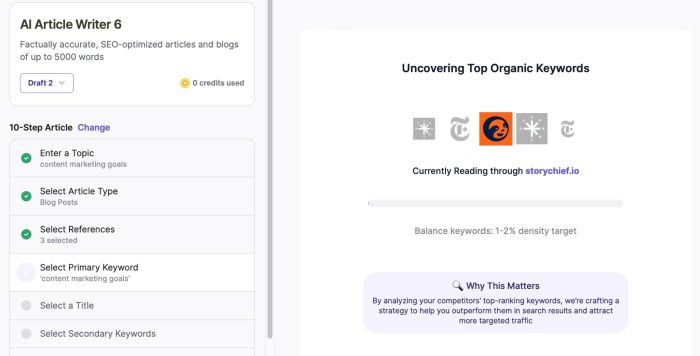
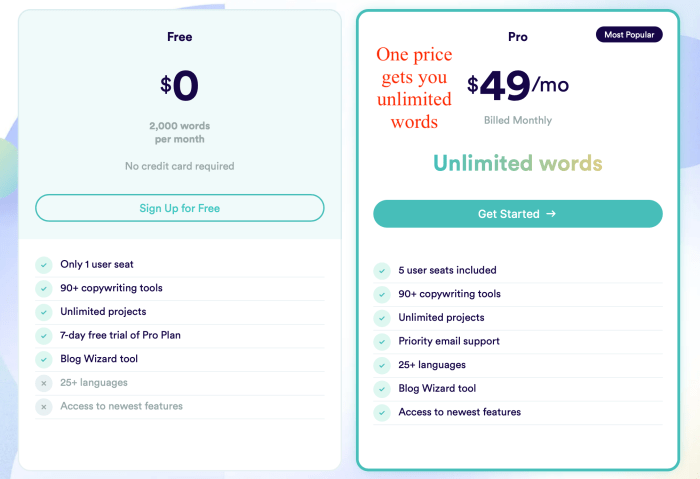
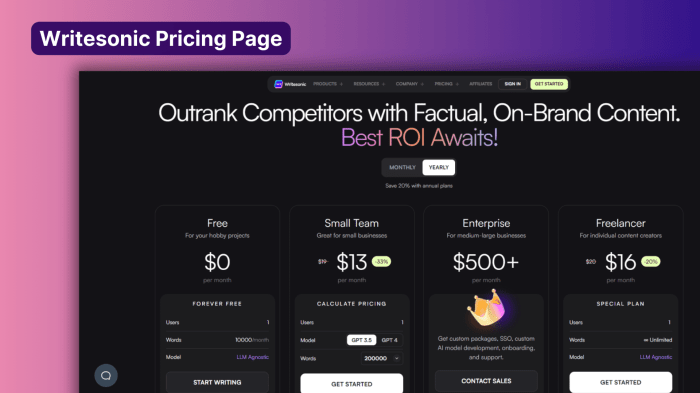
Understanding the pricing models of various AI tools and their alternatives is essential for businesses and freelancers aiming to optimize their content creation and strategies. This section provides a clear comparison of costs, enabling informed decisions based on budget constraints and specific needs.The value proposition of each tool is intricately tied to its pricing structure. Businesses must assess not just the upfront costs but also the long-term value these tools provide, including features, scalability, and support.
Below is a table summarizing the pricing models of several popular AI tools along with their alternatives.
Pricing Comparison Table
The following table Artikels the costs associated with various AI tools and their alternatives, providing a quick reference for potential buyers:
| Tool | Pricing Model | Monthly Cost | Annual Cost | Key Features |
|---|---|---|---|---|
| Tool A | Subscription | $29/month | $299/year | Content generation, analysis |
| Tool B | Freemium | Free (Basic), $15/month (Pro) | $150/year (Pro) | suggestions, analytics |
| Tool C | One-time payment | N/A | $499 | Comprehensive toolset |
| Alternative A | Subscription | $19/month | $199/year | Basic content creation, grammar check |
| Alternative B | Pay-as-you-go | N/A | Varies based on usage | Custom content requests, analytics |
The pricing models illustrate that there is a range of options available, catering to various needs and budgets. For small businesses or freelancers, budget-friendly options include Tool B, which offers a free tier and affordable Pro subscription. Additionally, Alternative A provides essential tools at a lower monthly cost, making it accessible for those starting out.
Choosing the right AI tool isn’t solely based on the price; it’s about finding the tool that fits your specific requirements and offers long-term value.
In conclusion, evaluating the costs associated with each tool alongside their features will empower users to make the best choice tailored to their budget and content needs. This careful consideration is crucial for maximizing return on investment in AI tools for content and .
User Experience and Interface Design
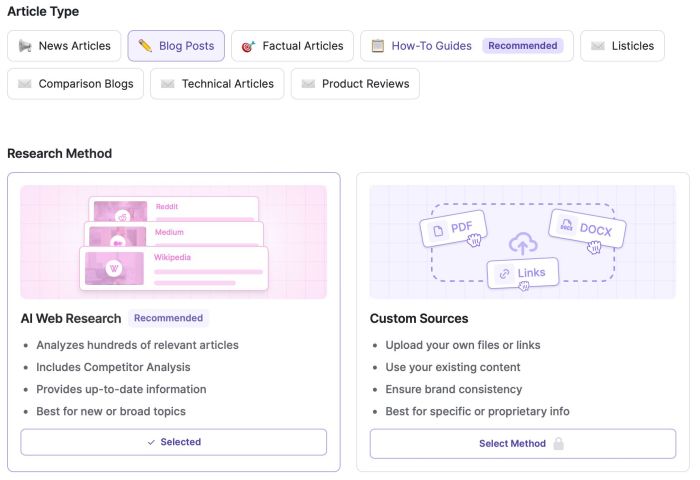
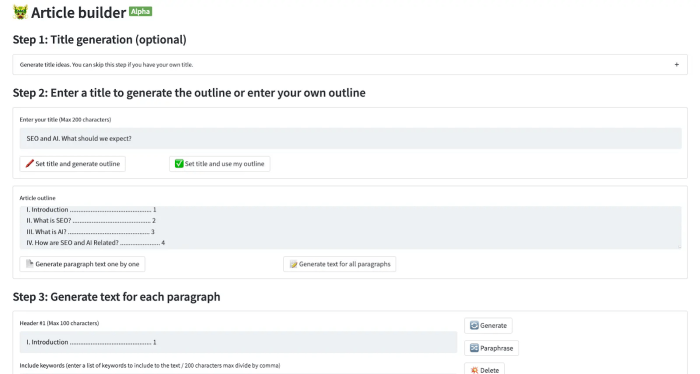
The user experience (UX) of AI tools significantly impacts their effectiveness in content creation and . A well-designed interface facilitates ease of use, allowing users to focus more on their tasks rather than grappling with complex navigation or functionality. In this overview, we’ll delve into the user experience aspects of various AI tools and their alternatives, shedding light on how interface design can enhance usability and efficiency.
User Interface Design and Usability
User interface design is a critical component when it comes to the overall user experience. A thoughtful interface not only supports user tasks but also promotes engagement and productivity. Here are some key elements that influence usability and efficiency in AI tools:
- Intuitive Navigation: Users appreciate tools that offer straightforward paths to achieve their goals. An intuitive layout minimizes the need for extensive training or tutorials.
- Clear Visual Hierarchy: Information should be organized logically, with key features or tools easily accessible. A well-structured interface reduces cognitive load, allowing users to focus on their work.
- Responsive Design: As many users access tools on various devices, a responsive design ensures that the interface adapts seamlessly, maintaining functionality across platforms.
- Accessible Features: Including accessibility options can significantly enhance user experience, making tools usable for individuals with disabilities.
- Customization Options: Allowing users to tailor their interface can lead to higher satisfaction levels, as it enables them to create an environment that suits their workflow.
User feedback on interface satisfaction often highlights the importance of these design elements. For instance, reviews for a popular AI tool emphasize its well-organized dashboard that allows users to find necessary features quickly. Users have expressed appreciation for tools that offer a clean and uncluttered workspace, as it helps them maintain focus.
“An interface that feels good to use makes all the difference in productivity. A cluttered screen makes me feel overwhelmed.”
User Review
In contrast, some alternatives may suffer from poor design, leading to frustrations. In particular, users have mentioned difficulties in navigating complex menus or unclear icons, which can detract from their overall experience. Enhancing interface design can lead to more satisfied users, ultimately supporting better content creation and outcomes.
Use Cases and Success Stories: Best Ai Tools Alternatives List For Content And Seo
AI tools have become pivotal in enhancing content creation and strategies, with numerous companies achieving remarkable success through their implementation. From small startups to large enterprises, many have harnessed the power of alternative AI tools to boost their online visibility and streamline their content processes. By exploring real-world examples, we can see the tangible benefits and innovative applications that these tools offer.
One standout example is a leading e-commerce company that adopted an alternative AI-driven content generation tool. This tool allowed them to automate product descriptions, which not only saved time but also enhanced their ranking. By generating unique, -optimized content at scale, they increased their organic traffic by over 30% within three months. This case illustrates how alternative tools can provide significant advantages over traditional methods.
Case Studies of Successful Implementations
Examining specific case studies reveals how various businesses have effectively utilized AI tools to achieve measurable outcomes. These real-world applications highlight not just the efficiency of these tools but also their impact on overall business performance.
One notable case involves a digital marketing agency that switched from a well-known AI tool to a lesser-known alternative. This alternative provided more tailored solutions for their clients’ specific needs, including advanced analysis and competitive insights. As a result, the agency improved its content strategy, leading to a 50% increase in client engagement metrics and a dramatic rise in conversion rates.
The agency attributed this success to the alternative tool’s ability to deliver deeper insights that were previously unattainable.
Another example comes from a travel blog that leveraged an AI content optimization tool. The blog was facing challenges with search engine rankings and content quality. By employing this alternative tool, they were able to identify trending topics and optimize their existing articles for better performance. Within six months, their organic traffic doubled, and they noticed a significant improvement in user engagement, demonstrating the effectiveness of AI in enhancing content relevance and visibility.
“Success in today hinges on the ability to adapt and innovate, and AI tools are at the forefront of that evolution.”
In addition to these success stories, many organizations have reported increased efficiency in their workflows. For instance, a SaaS company that integrated an AI-driven auditing tool found that they could perform comprehensive site audits in a fraction of the time it previously took. This not only allowed them to identify issues faster but also to implement solutions that led to a marked improvement in their site’s ranking within search results.
Through these examples, it becomes evident that alternative AI tools not only match the capabilities of major tools but often exceed them in specific areas, leading to enhanced performance metrics and overall business growth. By leveraging the right AI tools, companies can achieve remarkable results in content creation and , ensuring they remain competitive in an ever-evolving digital landscape.
Customization and Integration Capabilities
The ability to customize and integrate AI tools into existing workflows is crucial for maximizing their effectiveness in content creation and . Different tools offer various levels of customization, allowing users to tailor the features to fit their specific needs. Additionally, the integration capabilities of these tools can significantly enhance productivity by ensuring seamless collaboration with other systems and processes already in place.Many AI tools provide robust customization options that empower users to adjust settings, formats, and functionalities according to their preferences.
For example, some tools allow users to create custom templates for content generation, enabling consistent branding and voice across all materials. Furthermore, the use of customizable dashboards can help teams focus on the metrics that matter most to them, such as engagement rates or performance.
Customization Options in AI Tools, Best Ai Tools Alternatives List For Content And Seo
Various AI tools offer unique customization features that cater to diverse user needs. These options can enhance both the user experience and the quality of outputs produced.
- Custom Templates: Tools like Jasper and Copy.ai allow users to create pre-defined templates that reflect their brand’s voice, ensuring uniformity across content.
- User-defined Parameters: Many platforms enable users to set specific parameters such as tone, style, or target audience, allowing for personalized content generation.
- API Accessibility: Tools such as OpenAI’s API provide extensive options for developers to build custom applications or integrations that suit their particular use cases.
- Visual Customization: Certain platforms, like Canva’s integration with AI tools, allow aesthetic adjustments to generated content, enhancing visual appeal and engagement.
Integrating AI tools into existing workflows can streamline processes and enhance collaboration. The ability to connect these tools with other systems, such as CMS or marketing automation platforms, can drastically improve efficiency.
Integration with Existing Systems
Integration capabilities are vital for ensuring that AI tools work well within existing infrastructure. Successful integrations can lead to improved content management and enhanced strategies.
- API Integrations: Many AI tools offer robust APIs that can link directly with platforms like WordPress or HubSpot, automatically pushing generated content to the appropriate channels.
- Automation Workflows: Tools such as Zapier can help integrate AI content tools with various applications, allowing for automated workflows that save time and reduce manual entry.
- Collaboration Tools: Integrations with platforms like Slack can facilitate team discussions around AI-generated content, leading to immediate feedback loops and enhanced collaboration.
- Data Analytics: Linking AI tools with analytics platforms such as Google Analytics enables users to gather insights about content performance, helping refine future strategies.
Successful integrations often serve as proof of the effectiveness of combining AI tools with other applications. For instance, businesses utilizing AI-driven content generation in conjunction with analysis tools have reported significant increases in organic traffic and engagement.
“Integrating AI tools into our existing marketing stack has not only sped up our content creation process, but it has also improved our outcomes dramatically.”
Future Trends in AI Tools for Content and
As technology continues to evolve at an unprecedented pace, the landscape for content production and is rapidly changing. Emerging trends in AI tools are set to redefine how businesses create, manage, and optimize content for better visibility and engagement. Understanding these trends is crucial for companies looking to stay ahead of the curve and leverage the full potential of AI in their marketing strategies.One of the most significant emerging trends is the increasing integration of machine learning algorithms into content creation tools.
These advanced algorithms can analyze vast amounts of data to identify patterns and preferences, enabling tools to generate content that resonates with target audiences. This technology will not only enhance the quality of content but also streamline the production process, making it faster and more efficient.
Personalization and Predictive Analytics
The importance of personalized content is becoming more pronounced as consumers expect tailored experiences. AI tools are now incorporating predictive analytics that anticipates user behavior based on historical data. By analyzing this data, businesses can create highly relevant content that not only meets the immediate needs of users but also anticipates future demands. For example, platforms like HubSpot and Marketo are already adopting AI to enhance their predictive marketing capabilities.
They analyze user interactions and engagement metrics to suggest content topics that are likely to perform well.
- Enhanced User Experience: Personalized content leads to better engagement, improving user satisfaction and loyalty.
- Increased Efficiency: Businesses can save time and resources by focusing on content that is predicted to perform well.
- Data-Driven Strategies: Predictive analysis provides insights that help in formulating data-driven marketing strategies.
“Personalization will not just be a key differentiator; it will be a fundamental expectation of consumers.”
Industry Expert
As AI tools continue to evolve, businesses must prepare for a future where automation and AI-driven insights will dominate the content and landscape. Companies can start by investing in AI tools that offer flexibility and adaptability, ensuring they can easily integrate new technologies as they emerge. This proactive approach will enable businesses to maintain a competitive edge, continuously optimizing their strategies to align with consumer expectations and technological advancements.
Moreover, fostering a culture of continuous learning within organizations will be essential to effectively leverage these emerging AI tools. As new features and capabilities arise, ongoing training and adaptation will ensure teams are well-equipped to make the most of them. Investing in AI literacy will empower employees to utilize these tools effectively, driving innovation and growth in their content and efforts.
Tips for Choosing the Right AI Tool
Selecting the right AI tool for content creation and can significantly influence your digital marketing success. With so many options available, understanding the key factors to consider is essential for making an informed decision. When evaluating AI tools, it’s crucial to look at their features, performance, user-friendliness, and support. Doing so can help ensure that the tool you choose meets your needs and enhances your content strategy effectively.
Key Factors to Consider
Several important factors come into play when choosing an AI tool. These factors will help you assess the tool’s capabilities and alignment with your goals:
- Functionality: Ensure the tool meets your specific needs for content creation and . Features like analysis, content optimization, and plagiarism checking are essential.
- Integration: Check whether the AI tool integrates well with other software and platforms you’re using, such as content management systems and analytics tools.
- User Experience: A user-friendly interface can save time and reduce the learning curve. Look for tools that provide intuitive navigation and clear instructions.
- Cost: Analyze the pricing structure. Consider both the upfront costs and any subscription fees to ensure the tool fits within your budget.
- Customer Support: Reliable customer support can be crucial, especially when you encounter issues or have questions about the tool’s capabilities.
Checklist for Evaluating AI Tools
When you assess various AI tools, keeping a checklist can streamline the decision-making process. Here’s a practical checklist to evaluate features and benefits effectively:
- Does the tool offer comprehensive features for both content creation and ?
- Is it compatible with existing tools and platforms you currently use?
- How easy is it to navigate and use the interface?
- What pricing options are available, and do they align with your budget?
- Is customer support available and responsive, with various contact options?
- Are there user reviews or testimonials that highlight the tool’s effectiveness?
Common Pitfalls to Avoid
While selecting an AI tool, it’s important to be cautious of common pitfalls that can lead to suboptimal choices. Avoiding these mistakes can save both time and resources:
- Overemphasizing Features: Don’t get swayed by flashy features that you might not actually need. Focus on essential tools that align with your goals.
- Ignoring User Feedback: Failing to consider user reviews can result in overlooking significant drawbacks of a tool.
- Choosing Based on Price Alone: Opting for the cheapest option may backfire if the tool lacks necessary features or support.
- Neglecting Future Needs: Choose a tool that can scale with your business. Avoid tools that may become obsolete as your needs grow.
- Rushing the Decision: Take the time to thoroughly research and test tools. Rushed decisions often lead to dissatisfaction.
Conclusion and Call to Action
As we wrap up this exploration of some of the best AI tools alternatives for content creation and , it’s essential to recognize the vast potential these tools hold in optimizing your digital strategies. Each tool mentioned has unique features and capabilities designed to enhance your workflow, improve content quality, and streamline efforts.Utilizing these tools can significantly elevate your content creation process and overall performance.
By leveraging AI-powered alternatives, you can produce engaging content faster, analyze data more effectively, and ultimately achieve better rankings on search engines. This not only saves time but also helps you stay ahead in the competitive digital landscape.
Encouragement to Explore
It’s time to dive into the exciting world of AI tools and give them a try. Here’s a summary of benefits associated with the alternatives discussed:
- Enhanced Efficiency: Automate repetitive tasks, allowing you to focus on creativity and strategy.
- Improved Content Quality: Use advanced algorithms to refine your writing and ensure relevance to your target audience.
- Data-Driven Insights: Analyze your content performance and strategies based on real-time data and analytics.
- Better Audience Engagement: Craft personalized content that resonates with your audience, increasing reach and engagement.
We encourage you to try out these tools and see how they can transform your content and initiatives. Your experiences matter, so feel free to share your thoughts and insights on any of the tools mentioned. Let’s foster a community of shared knowledge and innovation in the realm of content creation and strategies.
Last Recap
In summary, exploring the Best Ai Tools Alternatives List For Content And reveals the vast landscape of options available, tailored to various needs and budgets. By considering both mainstream tools and their alternatives, readers can make informed decisions that enhance their content strategies. Don’t hesitate to experiment with these tools; your next big breakthrough in content creation and might just be a click away.
FAQ Guide
What are AI tools for content and ?
AI tools for content and are software applications that use artificial intelligence to help create, optimize, and analyze content for improved visibility and engagement online.
How do I choose the right AI tool for my needs?
Consider factors such as features, pricing, user experience, integration capabilities, and the specific needs of your content and strategies when selecting an AI tool.
Are there any free alternatives to popular AI tools?
Yes, there are several free AI tools available that provide basic functionality and can be great alternatives for those on a tight budget.
How can I get started with using AI tools?
Begin by identifying your content and goals, researching suitable AI tools, and signing up for trial versions to explore their features before making a commitment.
What is the future of AI tools in content marketing?
The future looks promising with advancements in AI technology, expected to enhance personalization, automation, and data analysis in content marketing.