How To Make Money With Ai Tools For Beginners
How To Make Money With Ai Tools For Beginners is an exciting journey into the world of artificial intelligence, where innovative tools can empower anyone to generate income. Imagine tapping into AI’s potential to enhance your skills, streamline your business, or even launch a freelance career—all from the comfort of your home! This guide is designed to equip you with the knowledge and resources necessary to navigate this landscape effectively.
As we dive into the various types of AI tools, their benefits across industries, and practical steps for monetization, you’ll discover that the world of AI isn’t just for tech experts; it’s accessible to all eager learners. Whether you’re looking to freelance, develop passive income streams, or simply enhance your existing skills, this guide covers everything you need to get started.
Understanding AI Tools

Artificial Intelligence (AI) tools are transforming the way we work and live, making processes more efficient and accessible. For beginners, navigating this expansive landscape can be daunting, but understanding the basics can open up numerous opportunities. This section will delve into the types of AI tools available, their benefits across different industries, and essential features to consider when selecting the right tool for your needs.
Types of AI Tools Available for Beginners
AI tools come in various forms, each designed to address specific tasks and industries. Understanding these different types can help beginners identify which tools may be best suited for their needs.
- Machine Learning Platforms: These tools allow users to build predictive models and gain insights from data. Examples include Google Cloud AutoML and IBM Watson Studio.
- Natural Language Processing (NLP) Tools: NLP tools help machines understand human language, enabling applications like chatbots and sentiment analysis. Notable examples are OpenAI’s GPT-3 and Google’s BERT.
- Computer Vision Tools: These tools focus on analyzing and interpreting visual data. They are widely used in fields like medical imaging and autonomous vehicles. Examples include TensorFlow and OpenCV.
- Robotic Process Automation (RPA): RPA tools automate repetitive tasks across various business processes. Tools like UiPath and Automation Anywhere are popular in this category.
- AI-Powered Analytics Platforms: These platforms leverage AI to analyze large datasets, helping businesses make data-driven decisions. Examples include Tableau and Microsoft Power BI.
Benefits of Using AI Tools in Various Industries
The integration of AI tools can significantly enhance productivity, efficiency, and accuracy, impacting multiple industries in diverse ways. Below are a few benefits observed across different sectors.
- Healthcare: AI tools streamline patient data management, enhance diagnostic accuracy, and support personalized medicine. For example, AI algorithms can analyze medical images more quickly and accurately than human radiologists.
- Finance: In finance, AI tools assist in fraud detection, risk management, and customer service automation. For instance, machine learning models can analyze transaction patterns to flag unusual activities.
- Retail: AI enhances customer experiences through personalized recommendations, inventory management, and sales forecasting. Companies like Amazon utilize AI algorithms to offer tailored product suggestions.
- Manufacturing: AI tools optimize supply chain logistics, predictive maintenance, and quality control in factories. Predictive maintenance can reduce downtime by anticipating equipment failures.
- Marketing: Marketers use AI for customer segmentation, ad targeting, and content generation, improving campaign efficiency and effectiveness. Tools like HubSpot leverage AI for optimizing marketing strategies.
Key Features to Look for When Choosing AI Tools
Selecting the right AI tool can be a daunting task for beginners. Knowing what features to prioritize can lead to better decision-making. Below are key features to consider.
- Ease of Use: A user-friendly interface is crucial for beginners. Tools should offer intuitive designs and comprehensive tutorials.
- Integration Capabilities: The ability to integrate with existing systems and software can enhance the tool’s utility and functionality.
- Scalability: Choose tools that can grow with your needs, accommodating increased data and complexity over time.
- Support and Community: Access to customer support and a vibrant user community can provide essential help and resources as you learn to use the tools.
- Cost-effectiveness: Consider the pricing model and ensure it aligns with your budget while providing value for the features offered.
Getting Started with AI Tools
Getting started with AI tools can feel overwhelming, especially for beginners. However, by following a structured approach, anyone can ease into using these powerful technologies effectively. This section will guide you through the essential steps to set up your first AI tool and provide valuable resources for deepening your understanding.
Step-by-Step Guide to Setting Up an AI Tool
Setting up an AI tool involves a few straightforward steps. Here’s a concise guide to help you navigate the process:
- Choose the Right Tool: Identify the AI tool that suits your needs—whether it’s for text generation, image processing, or data analysis. Popular options include OpenAI’s Kami, Google’s AutoML, and IBM Watson.
- Create an Account: Most AI tools require you to sign up. Visit the official website of the tool you selected and follow the registration process. This may involve verifying your email address.
- Explore the Interface: Once logged in, take some time to familiarize yourself with the user interface. Look for tutorials or walkthroughs provided by the tool to understand the layout and features.
- Start with Templates: Many AI tools offer pre-built templates to help beginners. Select a template that aligns with your project goals and begin customizing it.
- Run Your First Query: Try entering a simple query or command to see how the tool responds. This will give you a feel for its capabilities and help you learn how to phrase your requests effectively.
- Iterate and Experiment: Don’t hesitate to tweak your inputs and explore different functionalities. Experimentation is key to mastering any AI tool.
Tips for Familiarizing with AI Tools
Getting comfortable with AI tools takes practice. Here are some helpful tips to enhance your learning experience:
“Hands-on practice is the best way to learn any new technology.”
- Dedicate time each week to practice and experiment with the tool.
- Join online communities or forums focused on the AI tool you are using. This allows you to ask questions, share experiences, and learn from others.
- Watch tutorial videos and webinars. Visual content can provide insights that text-based resources may not fully capture.
- Read documentation and FAQs provided on the tool’s website to clarify any doubts about functionalities and usage.
Resources for Learning About AI Tools
To deepen your understanding of AI tools, consider leveraging the following resources:
“Knowledge is the cornerstone of effective utilization of AI technologies.”
Online Courses
Platforms like Coursera, Udemy, and edX offer numerous courses covering various AI tools and concepts.
Books
Look for titles such as “Artificial Intelligence: A Guide to Intelligent Systems” by Michael Negnevitsky and “Deep Learning” by Ian Goodfellow, which provide foundational knowledge and applications.
Blogs and Websites
Websites such as Towards Data Science and AI Trends feature articles and updates on the latest in AI technology.
YouTube Channels
Channels like Two Minute Papers and AI & Deep Learning specialize in short, informative videos that break down complex topics into digestible content.By following these Artikeld steps and utilizing the recommended resources, beginners will find themselves more confident in navigating the world of AI tools.
Methods to Make Money Using AI Tools
In the dynamic landscape of technology, AI tools have emerged as powerful instruments for generating income. Beginners can leverage these tools in various ways, whether through freelance opportunities or creating passive income streams. The versatility of AI technology allows individuals to tap into multiple income sources, making it an attractive proposition for those looking to monetize their skills.
Freelance Opportunities with AI Tools
Freelancing in the AI space is thriving, as businesses increasingly seek expertise to optimize their operations. AI tools enable freelancers to provide valuable services across different domains. Not only can they enhance productivity, but they can also analyze data and generate insights. Here are some avenues for freelancers to explore:
- Content Creation: Use AI tools to generate written content, graphics, or videos for clients in need of marketing material.
- Data Analysis: Offer services in data interpretation, using AI algorithms to derive insights from complex datasets.
- Chatbot Development: Build custom chatbots for businesses looking to enhance customer engagement.
- Social Media Management: Utilize AI tools to schedule posts, analyze engagement, and optimize strategies for various platforms.
Popular Platforms for Offering AI-Related Services, How To Make Money With Ai Tools For Beginners
Freelancers can find numerous platforms to showcase their AI-related services. These platforms not only connect them with potential clients but also provide a structured environment to manage projects and payments. Here’s a list of popular platforms where freelancers can offer their expertise in AI:
- Upwork: A leading platform where freelancers can bid on projects related to AI and data science.
- Fiverr: Ideal for offering specific AI services, such as AI writing, chatbot creation, or data visualization.
- Freelancer: Connects freelancers with clients looking for AI solutions across various fields.
- Guru: A platform for showcasing a portfolio and securing projects in AI and technology.
- PeoplePerHour: Helps freelancers find hourly projects related to AI services.
Creating Passive Income Streams with AI Tools
AI tools can also be used to establish passive income streams, allowing individuals to earn money over time with minimal ongoing effort. By automating processes or generating products that require little maintenance, one can create a sustainable income source. Here are some methods to consider:
- AI-Driven Digital Products: Create and sell digital products like e-books or courses that teach others how to use AI tools.
- Subscription Services: Develop a subscription-based model for AI tools or resources, offering ongoing access to new content or tools.
- Affiliate Marketing: Promote AI tools via affiliate links, earning a commission for every sale made through your referral.
- Automated Trading Systems: Use AI algorithms in trading to generate returns on investments with minimal manual intervention.
“AI tools not only provide immediate solutions but also pave the way for long-term financial growth.”
Case Studies of Successful AI Tool Usage
In recent years, the integration of AI tools into various business models has proven to be a lucrative avenue for individuals and businesses alike. By leveraging AI, these entities have managed to streamline operations, enhance customer experiences, and significantly boost their profitability. Let’s delve into some real-life examples that highlight the success of AI tool usage and the strategies that led to these accomplishments.
Examples of Successful AI Implementations
Numerous individuals and companies have harnessed the power of AI tools to generate income. Here are a few noteworthy examples that illustrate different applications and strategies:
- Copy.ai: This AI writing assistant has enabled marketers and content creators to produce high-quality content in a fraction of the time it would traditionally take. By utilizing natural language processing algorithms, Copy.ai helps generate blog posts, social media content, and ad copy, leading to increased productivity and revenue for businesses.
- Jasper: A well-known AI content generation tool, Jasper caters to the needs of freelancers and agencies by providing tailored content solutions. By adopting AI for content creation, users have reported significant increases in their output, allowing them to take on more clients and projects.
- Shopify: The e-commerce platform utilizes AI tools for personalized customer experiences. Features like product recommendations and chatbots have not only improved customer satisfaction but also boosted sales conversions, enhancing the overall profitability of stores using the platform.
Comparative Strategies Employed by Successful AI Entrepreneurs
The journeys of these successful AI entrepreneurs reveal diverse strategies that have contributed to their achievements. Understanding these approaches can provide valuable insights for aspiring AI-driven businesses.
- Focus on Niche Markets: Many successful AI entrepreneurs have concentrated their efforts on specific niches. For instance, platforms like Canva utilize AI for design, catering to non-designers who need quick graphic solutions.
- Subscription Models: Implementing subscription-based pricing has proven effective for companies like Grammarly. This model provides users with continuous value while ensuring a steady revenue stream for the business.
- Emphasizing User Experience: AI tools that prioritize user experience, such as Duolingo, which employs gamification in language learning, tend to attract and retain more users. A seamless experience encourages user loyalty and leads to higher revenues.
Common Pitfalls and Avoidance Strategies
While success stories abound, it’s important to recognize the potential pitfalls that can accompany the use of AI tools. By learning from the experiences of others, aspiring entrepreneurs can navigate these challenges effectively.
- Over-Reliance on AI: Some businesses have fallen into the trap of relying too heavily on AI tools, neglecting the human touch. Balancing automation with personal engagement is crucial for maintaining customer relationships.
- Ignoring Data Privacy Concerns: Entrepreneurs must be vigilant about data privacy regulations. Companies like Facebook have faced backlash due to mishandling user data, which can lead to loss of trust and revenue.
- Neglecting Continuous Learning: The AI landscape is rapidly evolving. Entrepreneurs who fail to stay updated on advancements can fall behind competitors who leverage the latest tools and strategies effectively.
Developing Skills for AI Monetization
In the rapidly evolving world of artificial intelligence, beginners must focus on developing key skills that will enable them to effectively use AI tools for monetization. As AI technology continues to advance, the demand for individuals who can harness its capabilities is growing. This section Artikels the essential skills one should cultivate, a structured plan for skill acquisition, and the importance of continuous learning in the AI space.
Key Skills for Beginners
To successfully monetize AI tools, specific skills can significantly enhance your competence and marketability. Here are the primary skills that beginners should prioritize:
- Data Analysis: Understanding how to analyze and interpret data is crucial, as AI relies heavily on data to function effectively.
- Programming: Familiarity with programming languages such as Python or R is beneficial for working with AI algorithms and building models.
- Machine Learning Basics: Grasping the fundamentals of machine learning allows for better utilization of AI tools and understanding of their outputs.
- Problem-Solving: Developing strong analytical and problem-solving skills enables individuals to identify opportunities where AI can be applied effectively.
- Communication Skills: The ability to articulate complex AI concepts clearly is essential for collaboration and pitching ideas to stakeholders.
Structured Plan for Skill Acquisition
A well-defined plan for acquiring the necessary skills can help beginners navigate the learning process efficiently. Here’s a structured path to consider:
- Set Clear Goals: Define what skills you want to acquire and how they relate to your monetization strategies.
- Online Courses: Enroll in reputable online courses focused on AI, data analysis, and machine learning. Platforms like Coursera, edX, or Udacity offer valuable resources.
- Hands-On Projects: Engage in practical projects or case studies that allow you to apply what you’ve learned in real-world scenarios.
- Join Communities: Participate in forums, social media groups, or local meetups to engage with others in the field, share experiences, and gain insights.
- Continuous Practice: Regularly practice your skills through coding challenges, hackathons, or personal projects to reinforce learning.
Importance of Continuous Learning
The AI landscape is constantly evolving, and keeping up with the latest advancements is vital for success. Continuous learning ensures that individuals remain relevant and competitive in the industry.
“In the field of AI, the only constant is change; therefore, lifelong learning is essential for staying ahead.”
Engaging in webinars, workshops, and reading industry publications can facilitate ongoing education. Networking with professionals and seeking mentorship opportunities also contribute to skill enhancement and knowledge sharing. This proactive approach not only fosters personal growth but also opens new avenues for monetization in the AI domain.
Marketing AI Services
In the evolving landscape of artificial intelligence, marketing your AI services effectively is crucial for standing out and attracting clients. This involves building a personal brand that resonates with your target audience and employing strategic marketing techniques to establish authority in the field.Creating a personal brand around AI tools requires a focused approach. A well-defined personal brand can differentiate you from competitors and enhance your visibility in the market.
Start by identifying your unique value proposition—what makes your AI services special? This could be your expertise in a specific niche like machine learning, data analysis, or AI-driven marketing tools. Once you’ve established this, consistently communicate your brand message across all platforms, emphasizing your skills and the benefits of your services.
Brand Development Strategies
To build a successful personal brand, consider the following strategies:
- Consistent Branding: Use the same logo, color scheme, and messaging across all online profiles to create a cohesive image.
- Content Creation: Share valuable insights through blogs, videos, or podcasts that highlight your knowledge of AI tools and their applications.
- Networking: Engage with other professionals in the AI space through events, forums, and social media to expand your reach and credibility.
Effectively marketing your AI services involves targeted strategies that speak directly to potential clients’ needs. Understanding your audience is key; identify the industries that can benefit from your offerings and tailor your messaging accordingly. Highlight case studies or testimonials that showcase your success in helping clients achieve their goals with AI tools.
Social Media Utilization
Leveraging social media platforms is an effective way to gain visibility for your AI-related work. Here are some tactics to consider:
- Platform Selection: Focus on platforms where your target audience spends their time, such as LinkedIn for B2B services or Instagram for visual storytelling.
- Engagement: Actively engage with your audience by responding to comments, participating in discussions, and sharing relevant content to build a community.
- Advertising: Use targeted ads to reach potential clients by creating campaigns that highlight your AI services and their benefits.
Incorporating these strategies will not only enhance your personal brand but also create a solid foundation for promoting your AI services effectively.
Tools and Resources for Beginners
Embarking on a journey to monetize AI tools can be a thrilling experience, especially for beginners. The right tools and resources can significantly enhance your understanding and capabilities in this rapidly evolving field. Here’s a curated selection of essential AI tools, online courses, and recommended reading materials that will help you navigate the landscape of AI monetization confidently.
Essential AI Tools
To kickstart your journey, it’s crucial to familiarize yourself with some of the leading AI tools available. Below is a table that Artikels several essential AI tools, their key features, and pricing to help you make informed decisions.
| Tool | Features | Pricing |
|---|---|---|
| Kami | Natural language processing, conversation generation, content creation | Free plan available; Pro version at $20/month |
| TensorFlow | Open-source machine learning, extensive libraries, and community support | Free |
| Hugging Face | Pre-trained models, easy integration, collaborative community | Free for basic use; premium options vary |
| DataRobot | Automated machine learning, model deployment, and monitoring | Contact for pricing |
| Canva with AI | Graphic design, content generation with AI tools | Free with limited features; Pro version at $12.99/month |
Online Courses and Tutorials
Enriching your knowledge through structured learning is vital. Below is a list of reputable online courses and tutorials suitable for beginners eager to explore AI tools and monetization strategies.
- AI For Everyone by Andrew Ng on Coursera: An introductory course that provides a broad understanding of AI concepts without delving into coding.
- Machine Learning A-Z™ on Udemy: A comprehensive course covering various machine learning techniques and their applications.
- Introduction to Artificial Intelligence (AI) by IBM on edX: This course covers fundamental concepts of AI and its potential applications in various industries.
- AI Programming with Python by Udacity: A hands-on course for those interested in learning how to program AI systems using Python.
Books and Blogs on AI Monetization Strategies
Reading insightful materials can broaden your perspective and provide practical strategies. Here’s a selection of valuable books and blogs focused on AI monetization strategies that can guide your efforts.
- Artificial Intelligence: A Guide to Intelligent Systems by Michael Negnevitsky: This book explores AI technology and its business applications.
- AI Superpowers by Kai-Fu Lee: A compelling narrative on the global AI race and insights into monetizing AI technologies.
- Data Science for Business by Foster Provost and Tom Fawcett: This book offers a practical framework for utilizing data science in business strategies.
- The AI Alignment Problem: How to Keep AI Beneficial by Paul Christiano: A thoughtful exploration of ensuring that AI developments align with human values, beneficial for strategic planning.
Networking and Community Building
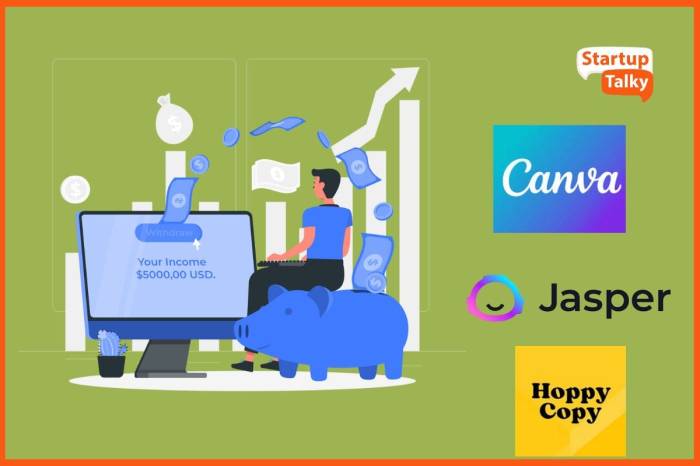
Networking in the AI industry is a critical component for success, especially for beginners looking to capitalize on the potential of AI tools. Building relationships with others in the field can lead to invaluable insights, opportunities, and collaborations that enhance your understanding and application of AI technologies. A strong professional network not only enriches your knowledge but also opens doors to job opportunities, partnerships, and mentorships that can propel your career forward.Finding and joining AI-related communities is essential for anyone eager to dive into this ever-evolving field.
Engaging with like-minded individuals allows you to share experiences, seek advice, and stay updated on industry trends. Here are some effective strategies to identify and become a part of these communities:
Strategies for Finding and Joining AI Communities
Participating in AI-related communities can be approached through various channels. Below are some methods to consider:
- Join Online Forums: Platforms such as Reddit and Stack Overflow have dedicated sections for AI discussions. Engaging in discussions, asking questions, and sharing knowledge are great ways to connect with others.
- Leverage Social Media: Follow AI influencers and organizations on platforms like LinkedIn and Twitter. Engaging with their content can lead to meaningful conversations and connections.
- Attend Meetups and Conferences: Look for local or virtual AI meetups and industry conferences. These events provide excellent networking opportunities and a chance to meet industry leaders and peers in person.
- Participate in Hackathons and Competitions: These events not only allow you to showcase your skills but also to meet others who share your interests and ambitions, often leading to lasting relationships.
Building relationships with mentors and peers is equally important for growth in the AI industry. Mentorship provides guidance and a wealth of experience, while peer connections can foster collaboration and support. To establish these relationships effectively, consider the following strategies:
Building Relationships with Mentors and Peers
Creating strong relationships in the AI community involves intentional efforts and genuine engagement. Here are some effective ways to build those important connections:
- Be Proactive: Don’t wait for opportunities to come to you. Reach out to potential mentors through social media, email, or during events. Express your interest in their work and ask for advice or insights.
- Offer Value: When approaching mentors or peers, think about how you can add value to their work or help them in some way. This could be sharing relevant articles, connecting them with others, or offering assistance on projects.
- Stay Engaged: Building relationships takes time. Regularly check in with your connections, share updates on your progress, and continue the conversation even when you don’t need anything.
- Join Study Groups: Collaborate with others who are also exploring AI. This not only enhances learning but also fosters a community of support and shared experiences.
“In the rapidly advancing world of AI, relationships can be as valuable as technical skills.”
Wrap-Up

In summary, the path of How To Make Money With Ai Tools For Beginners is filled with opportunities waiting to be explored. By understanding AI tools, developing essential skills, and effectively marketing your services, you can carve out a niche for yourself in this booming industry. Remember, continuous learning and networking will be your keys to long-term success—so stay curious and keep experimenting!
FAQ Corner: How To Make Money With Ai Tools For Beginners
Can beginners really make money with AI tools?
Absolutely! With the right resources and dedication, beginners can leverage AI tools to create income opportunities.
What type of AI tools should beginners start with?
Beginners should start with user-friendly tools like chatbots, content generators, or design software that offer intuitive interfaces.
Is coding knowledge necessary to use AI tools?
Not necessarily; many AI tools are designed for non-technical users and provide easy-to-follow instructions.
How much money can I make using AI tools?
Your earnings can vary widely based on your skills, the services you offer, and the effort you put in, but many have successfully generated significant income.
Are there any costs associated with using AI tools?
While some AI tools are free, others may require a subscription or one-time purchase, so it’s essential to evaluate costs upfront.
How important is networking in the AI field?
Networking is crucial as it opens doors to collaborations, mentorship, and new opportunities within the AI community.