Best Seo Tools For Beginners To Grow Website Traffic
Best Seo Tools For Beginners To Grow Website Traffic – Best Tools For Beginners To Grow Website Traffic introduces a vital aspect of online success that can elevate your website from obscurity to prominence. Mastering is essential, especially for beginners who often struggle with understanding optimization and traffic analytics. This guide aims to simplify the complex world of tools, providing you with all the knowledge needed to enhance your website’s visibility and reach.
In this guide, we will delve into the importance of tools, identify essential features to look for, and recommend user-friendly solutions tailored for novices. We’ll also provide practical tips on how to use these tools effectively to maximize your website’s traffic potential.
Introduction to Tools for Beginners
tools are essential for anyone looking to enhance their website’s visibility and drive significant traffic. For beginners, these tools serve as a guiding light, illuminating the often complex landscape of search engine optimization. Proper utilization of tools can lead to improved search engine rankings, attracting organic traffic and ultimately boosting conversions. Without these tools, novices may struggle to understand the intricacies of , such as research, backlinks, and site analytics.
Challenges like identifying relevant s, tracking performance metrics, and analyzing competitors become daunting tasks. Many beginners might find themselves lost in a sea of information, relying on guesswork rather than data-driven decisions, which can hinder their website growth.This guide aims to equip beginners with the knowledge of various tools that facilitate website traffic growth. You’ll discover a range of tools that are user-friendly and effective for understanding and implementing strategies.
We’ll cover their functionalities, benefits, and how to get started using them effectively, ensuring a smoother journey on your path to online success.
Key Benefits of Using Tools
Utilizing tools offers a multitude of advantages that can significantly enhance your website’s search optimization efforts. Here are some key benefits that may encourage beginners to incorporate these tools into their strategies:
- Data Analysis: tools provide valuable insights into traffic patterns, user behavior, and conversion rates, enabling informed decisions.
- Optimization: They assist in identifying high-performing s that can help attract the right audience to your site.
- Competitor Analysis: By analyzing competitors, users can uncover strategies that work, allowing them to refine their own approaches.
- Performance Tracking: Regular monitoring of website performance metrics helps in understanding what’s working and what needs improvement.
- Technical Insights: Tools can flag technical issues such as broken links or slow loading times, which are crucial for user experience.
The integration of these benefits into your digital marketing strategy can lead to better rankings and increased visibility. It’s essential to recognize that the right tools not only simplify the process but also empower beginners to take actionable steps toward growth.
“ is not about gaming the system; it’s about learning how to play by the rules.”
Essential Features to Look for in Tools: Best Seo Tools For Beginners To Grow Website Traffic
When diving into the world of , the right tools can make all the difference in growing website traffic. Understanding what features to look for will ensure you choose an tool that not only fits your needs but also simplifies the learning process. As you embark on this journey, focusing on user-friendliness, data accuracy, and robust reporting capabilities will set the foundation for your success.
User-Friendliness and Accessibility for Beginners
A primary consideration when selecting an tool is its user-friendliness. For beginners, navigating complex interfaces can be daunting, so it’s crucial to choose tools that are intuitive and straightforward. Many tools offer a visually appealing dashboard that presents information clearly, allowing users to grasp essential data without extensive training. Key features to look for in user-friendly tools include:
- Simple navigation: Ensure that the tool has a logical layout where features are easily accessible.
- Comprehensive tutorials: Look for tools that provide guides or walkthroughs to help users understand how to utilize various features.
- Responsive support: Access to customer support can help beginners resolve issues quickly, enhancing their overall experience.
Choosing an accessible tool can significantly reduce the learning curve, allowing beginners to concentrate on applying strategies rather than grappling with complicated software.
Data Accuracy and Reporting Capabilities
Accurate data is the backbone of effective strategies. A reliable tool should provide up-to-date and precise information about your website’s performance, rankings, and competitor analysis. Inaccurate data can lead to misguided strategies and wasted resources, making data integrity essential.When evaluating the reporting capabilities of tools, consider the following aspects:
- Real-time data: Tools that offer real-time updates allow users to make timely adjustments to their strategies based on current performance.
- Customizable reports: Look for tools that allow users to create tailored reports, focusing on metrics that matter most to their specific goals.
- Visual data representations: Tools that present data in charts and graphs can help clarify trends and insights, making it easier to analyze performance at a glance.
By prioritizing tools that emphasize data accuracy and effective reporting, beginners can make informed decisions to optimize their websites and enhance their digital presence.
Top Tools Recommended for Beginners
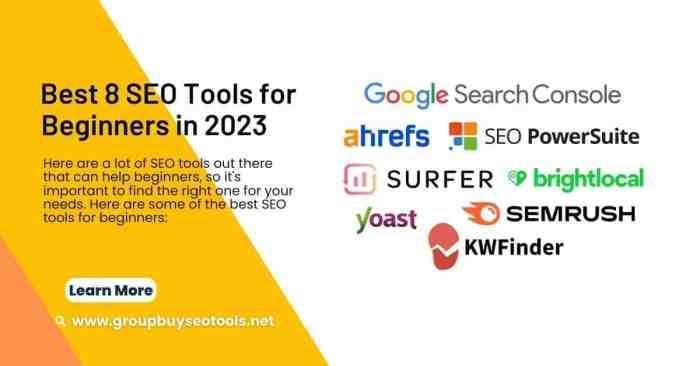
tools are essential for anyone looking to improve their website’s visibility and traffic. For beginners, choosing the right tool can be overwhelming due to the variety of options available. This section will highlight some of the top tools that are user-friendly and effective for beginners to help grow their website traffic.Understanding the differences between free and paid tools is crucial when starting your journey.
Free tools can provide a solid foundation and deliver basic insights, while paid tools often offer more advanced features and comprehensive data that can significantly enhance your efforts. The right choice ultimately depends on your budget and specific needs.
Comparison of Top Tools
To better understand the available options, here’s a comparison table that Artikels some of the top tools for beginners, along with their features, pricing, and user ratings:
| Tool | Features | Pricing | User Rating |
|---|---|---|---|
| Google Search Console | tracking, site performance analysis, and mobile usability reports. | Free | 4.8/5 |
| Ubersuggest | research, content ideas, and backlink analysis. | Free (with paid plans starting at $12/month) | 4.5/5 |
| SEMrush | Comprehensive research, competitor analysis, and site audit features. | Starts at $119.95/month | 4.7/5 |
| Ahrefs | Backlink analysis, research, and content explorer. | Starts at $99/month | 4.6/5 |
| Moz Pro | tracking, link building tools, and site audits. | Starts at $99/month | 4.5/5 |
Each tool offers distinct features that cater to various aspects of , such as research, backlink analysis, and site audits. For instance, Google Search Console is an invaluable free resource for tracking your website’s performance on Google, making it ideal for beginners. Free tools like Ubersuggest provide a basic understanding of metrics and are a great starting point for newcomers.
However, investing in paid tools like SEMrush or Ahrefs can yield more detailed insights and competitive advantages, especially as your website grows.
“Choosing the right tool can pave the way for your website’s success, whether you opt for free or paid options.”
When evaluating these tools, consider the specific features you need, your budget, and how serious you are about your efforts. With the right tools in your arsenal, you can effectively enhance your website’s visibility and drive more traffic.
How to Use Tools Effectively
Using tools effectively is crucial for beginners seeking to enhance their website’s traffic. These tools can provide insights into search engine optimization, performance, and overall website health, helping users make data-driven decisions. Understanding how to set up and utilize these tools properly will maximize their benefits and lead to successful outcomes.
Setting Up Popular Tools
Getting started with tools involves several steps to ensure proper setup and functionality. Below is a guide to setting up some of the most popular tools, such as Google Analytics, SEMrush, and Ahrefs.
Google Analytics
Create a Google account if you don’t have one.
Sign in to Google Analytics and click on the “Start measuring” button.
Fill in your website details, including the name, URL, industry category, and time zone.
Set up data sharing preferences according to your needs.
- Obtain the tracking ID provided and insert it into your website code, typically in the header section.
- SEMrush
Visit the SEMrush website and create an account.
Select a subscription plan that fits your needs.
Once logged in, enter your website’s domain in the search bar to conduct an audit.
- Explore various tools available, such as Research, Site Audit, and Traffic Analysis for comprehensive insights.
- Ahrefs
Sign up for an Ahrefs account with your email.
Add your website’s URL to the dashboard for analysis.
Utilize the Site Explorer tool to investigate backlinks and health.
Regularly check the s Explorer to find relevant s and opportunities.
Interpreting Data for Actionable Insights
Understanding the data provided by tools is essential for making informed decisions. Each tool offers unique insights, and interpreting this data can lead to actionable strategies. Here are key metrics and how to interpret them:
Organic Traffic
Indicates the number of visitors coming from search engines. An increase suggests improved practices.
Bounce Rate
Represents the percentage of visitors who leave after viewing only one page. A high bounce rate may indicate content relevance issues.
Rankings
Tracks the positions of your targeted s in search results. Monitoring this regularly helps identify which s need more focus.
Backlink Profile
Analyzing the number and quality of backlinks can reveal your site’s authority and areas for improvement.Utilizing these metrics allows site owners to adjust their strategies effectively.
Best Practices for Monitoring Website Performance
Regularly monitoring your website’s performance is crucial for effective . Following these best practices ensures that you stay informed about your site’s health and can make necessary adjustments in a timely manner.
Schedule Regular Audits
Conduct monthly site audits using tools like SEMrush or Ahrefs to identify technical issues.
Set Up Alerts
Use Google Analytics to set up alerts for significant changes in traffic or bounce rates, ensuring you can react quickly.
Analyze Competitors
Regularly check competitor websites for performance and backlink strategies to stay competitive in your niche.
Review Content Performance
Use analytics to assess which content performs best and adjust your content strategy based on this data.Consistently applying these best practices will enable you to maintain a healthy website that continually attracts traffic.
Advanced Features of Tools for Future Growth
As your website begins to gain traction and your traffic starts to grow, it’s essential to leverage advanced features of tools that can elevate your strategy. These features not only enhance your ability to optimize existing content but also provide valuable insights to guide future decisions, allowing you to stay ahead in the competitive digital landscape.Advanced tools come packed with features that cater to users who are ready to scale their efforts.
One of the most significant advantages is the ability to conduct competitive analysis and gain market insights. By understanding how your competitors are performing, you can identify gaps in your strategy and capitalize on opportunities that others might overlook.
Competitive Analysis and Market Insights
Utilizing competitive analysis features enables website owners to benchmark their performance against industry leaders. This not only helps in understanding the competitive landscape but also highlights areas for improvement. Here are some critical aspects that should be considered when evaluating tools for competitive analysis:
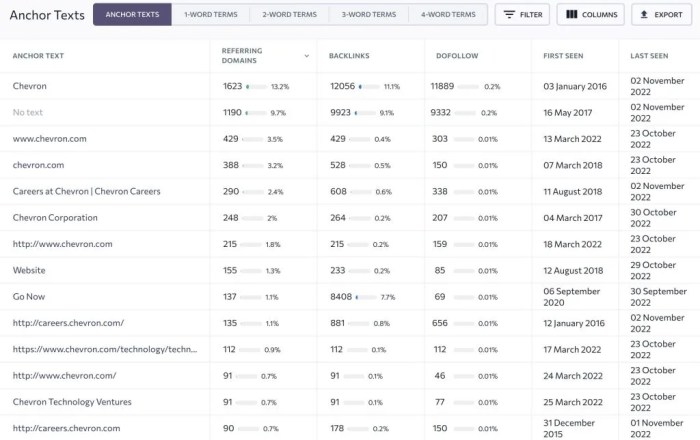
- Gap Analysis: Tools like Ahrefs and SEMrush allow users to discover s their competitors rank for that they don’t. This helps in expanding targeting strategy.
- Backlink Analysis: Platforms such as Moz and SpyFu offer detailed insights into the backlink profiles of competitors, revealing potential link-building opportunities.
- Traffic Analytics: Tools like SimilarWeb provide estimates of website traffic and user engagement metrics, giving insights into competitors’ audience behavior.
- Content Analysis: Evaluating the type of content that performs well for competitors can guide your content marketing strategy. Tools like BuzzSumo can help identify trending topics and formats.
The insights generated through these advanced features empower users to make informed decisions and adapt their strategies accordingly, thus facilitating sustained growth.
Role of Automation and Integration with Other Marketing Tools
Automation is becoming an integral part of strategies, streamlining repetitive tasks that can consume valuable time. Additionally, integration capabilities with other marketing tools enhance overall efficiency and data-driven decision-making. Here are key components that underscore the importance of automation and integration:
- Automated Reporting: Tools such as Google Data Studio and SEMrush offer features that automate reporting processes, saving time and providing real-time insights.
- Integration with Social Media: tools that integrate with social media platforms allow for streamlined content sharing and performance tracking, making it easier to align and social strategies.
- Workflow Automation: Tools like Zapier can connect various applications, enabling automated processes like syncing data between tools and email marketing platforms.
- Real-time Alerts: Setting up alerts for significant changes in rankings or website performance ensures that users can react promptly to shifts in their landscape.
By harnessing the power of automation and integration, users can not only boost their efficiency but also amplify their marketing effectiveness, creating a more robust online presence.
Common Mistakes to Avoid When Using Tools

Navigating the world of tools can be a bit overwhelming, especially for beginners. While these tools are designed to enhance your website’s visibility and traffic, there are common pitfalls that can lead to misinterpretation of data or ineffective strategies. Understanding these mistakes can help you optimize your approach and get the most out of your efforts.One of the key issues beginners face is over-reliance on tools.
While these tools provide valuable insights, it’s crucial to remember they are just that—tools. They can help point out trends and opportunities, but they shouldn’t dictate your entire strategy. Misunderstanding the data presented by these tools can lead to misguided decisions. For instance, focusing solely on rankings without considering user intent can skew your content strategy.
Frequent Pitfalls with Tools, Best Seo Tools For Beginners To Grow Website Traffic
Recognizing the common mistakes will empower you to avoid them. Here are several pitfalls to be aware of:
- Ignoring Contextual Data: tools provide lots of data, but without context, this data can be misleading. For example, a high search volume might seem appealing, but if the user intent doesn’t align with your content, it won’t convert visitors into customers.
- Focusing Only on Rankings: While tracking your rank on search engines is important, it shouldn’t be your only metric. Pay attention to metrics like organic traffic, bounce rate, and conversion rate to get a fuller picture of your website’s performance.
- Neglecting Regular Updates: tools frequently update their algorithms and functionalities. Not keeping up with these changes can hinder performance. Make a habit of checking for updates and adjusting your strategies accordingly.
- Over-Optimization: It’s tempting to use all the recommendations provided by tools, but over-optimization can lead to poor user experience. Aim for natural content that resonates with your audience rather than forcing s or phrases.
- Misinterpreting Data: Beginners often misinterpret metrics. For instance, a drop in rankings might not always be negative; it could be a seasonal trend or a result of algorithm changes. Understanding the nuances in data is essential.
Maintaining an effective strategy requires a balanced approach. While tools can provide crucial insights, they should complement your knowledge and intuition rather than replace them. Regularly review your data but also test different strategies based on your understanding of your audience and market trends.
“ is not just about tools; it’s about understanding your audience and providing value.”
Keeping an adaptable mindset will allow you to leverage tools effectively while minimizing the risk of common mistakes. As you grow more familiar with these tools, your ability to interpret their data accurately will improve, leading to a more effective strategy overall.
Resources for Learning More About Tools
As you embark on your journey to mastering tools, having access to the right resources is crucial. The digital landscape constantly evolves, and staying updated with the latest trends and techniques can significantly boost your website traffic. Below are some valuable resources that will help you deepen your understanding of tools and strategies.
Online Courses and Tutorials
Several online platforms offer courses designed specifically for beginners looking to master tools. These structured learning paths provide foundational knowledge and practical insights. Here are some recommended courses:
- Google Analytics Academy: Free courses to help you learn how to use Google Analytics effectively, essential for understanding website performance.
- Coursera – Fundamentals Course: Offered by the University of California, this course covers the basics of , including research and on-page optimization.
- Udemy – Training Course: A comprehensive course that takes you through various tools and strategies, suitable for beginners.
- HubSpot Academy: Provides a free inbound marketing certification that includes fundamentals.
Blogs, Podcasts, and Forums
Engaging with industry experts through blogs, podcasts, and forums is an excellent way to stay abreast of developments. Here are some recommendations:
- Moz Blog: A go-to source for news, tips, and research.
- Search Engine Journal: Offers articles, guides, and reports on various search engine marketing topics.
- Podcasts: Consider listening to Marketing School by Neil Patel and Eric Siu, and The Smart Passive Income Podcast by Pat Flynn for actionable insights.
- Chat: A forum where beginners and experts discuss strategies and tools.
Books on Strategies and Tools
Books provide in-depth knowledge and can serve as valuable reference materials. Here’s a bullet point list of recommended reads for anyone looking to enhance their skills:
- The Art of by Eric Enge, Stephan Spencer, and Jessie Stricchiola: A comprehensive guide that covers virtually every aspect of .
- 2023 by Adam Clarke: A straightforward guide that Artikels effective strategies for the current year.
- Search Engine Optimization for Dummies by Peter Kent: An accessible introduction to for absolute beginners.
- Jungle of by Gregory C. T. D. Lee: Offers insights into navigating the complexities of and the tools to use.
Epilogue
In summary, leveraging the right tools can significantly enhance your website’s traffic and overall performance. By understanding key features, utilizing recommended tools, and avoiding common pitfalls, beginners can navigate the landscape more confidently. As you advance your skills, remember that continuous learning and adaptation are crucial in maintaining an effective strategy.
FAQ Guide
What are tools?
tools are software applications designed to help website owners analyze and improve their site’s visibility on search engines.
Do I need to pay for tools?
While there are both free and paid tools available, paid tools often provide more advanced features and comprehensive data.
How do I choose the right tool?
Consider your specific needs, such as research, site audits, or backlink analysis, and look for tools that offer those features with user-friendly interfaces.
Can I use multiple tools at once?
Yes, using multiple tools can provide a broader perspective on your performance and help you leverage different capabilities.
How often should I use tools?
Regular monitoring is key; using tools weekly or monthly can help you track progress and adjust your strategies as needed.