Best Ai For Rewriting Articles Without Plagiarism Issues
Best Ai For Rewriting Articles Without Plagiarism Issues is revolutionizing the way content is created, offering innovative solutions that enhance creativity while ensuring originality. With the rise of digital content, writers face the constant challenge of producing fresh and unique articles, all while avoiding the pitfalls of plagiarism. AI rewriting tools have emerged as essential allies in this quest, providing features and functionalities designed to streamline the rewriting process and maintain content integrity.
These tools not only assist in generating new perspectives on existing content but also incorporate robust mechanisms to detect and eliminate potential plagiarism issues. As we explore the landscape of AI rewriting tools, we will uncover the key features that set the best apart, the significance of originality, and how these advancements are shaping the future of content creation.
Understanding AI Rewriting Tools
AI rewriting tools play a vital role in the realm of content creation, enabling writers to generate fresh, unique articles while maintaining the original message and intent. These tools utilize advanced algorithms and natural language processing to transform existing text into a new version that is free from plagiarism. This not only enhances creativity but also ensures that the content adheres to originality standards crucial in today’s digital landscape.The features offered by various AI rewriting tools vary significantly, providing users with a range of options tailored to their specific needs.
Some tools emphasize speed and efficiency, while others focus on the depth of rewriting and contextual understanding. Below is a comparison of several popular AI rewriting tools, highlighting their key features and benefits.
Comparison of AI Rewriting Tools
Understanding the differences between AI rewriting tools can help users select the right tool for their needs. Here is a look at some of the most prominent tools available:
- QuillBot: Known for its user-friendly interface, QuillBot offers various modes of rewriting, allowing users to adjust the level of creativity needed. It incorporates a grammar checker and a summarizer, making it an all-in-one solution for content refinement.
- Spinbot: This tool provides instant rewriting capabilities, ideal for quick transformations of text. Spinbot is straightforward and does not require user registration, making it accessible for those in need of immediate results.
- Paraphrase Online: Designed to assist users in creating unique content, Paraphrase Online focuses on preserving the original meaning while changing the structure and wording. It is particularly helpful for academic and professional writing.
- Wordtune: Wordtune stands out for its contextual rewriting suggestions. It helps users rephrase sentences in ways that enhance readability and engagement, focusing on improving overall writing quality.
Plagiarism avoidance is a critical aspect of article rewriting, especially in a world where content is widely shared and indexed by search engines. Originality is not just a legal requirement; it also builds trust with readers and strengthens an author’s credibility. Tools that help maintain unique content while rephrasing are essential in achieving this goal.
Maintaining originality is crucial in content creation, as it directly impacts the author’s reputation and the audience’s trust.
By leveraging the capabilities of AI rewriting tools, writers can efficiently produce high-quality, plagiarism-free articles, enabling them to engage their audience effectively and uphold a professional standard in their written communication.
Key Features of the Best AI Rewriting Tools
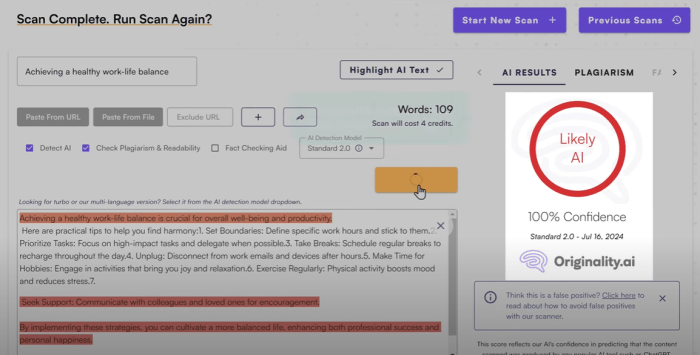
AI rewriting tools have transformed the way we approach content creation and revision. These tools not only help in avoiding plagiarism but also enhance the quality of writing by offering unique perspectives and phrasing. When selecting the best AI rewriting tool, it’s crucial to consider specific features that ensure efficiency, effectiveness, and user satisfaction. User-friendly interfaces play a significant role in facilitating seamless article rewriting.
A straightforward design helps users navigate the software with ease, enabling them to focus on content improvement rather than struggling with complicated features. Moreover, top AI rewriting tools offer a range of customization options, allowing users to tailor the output to fit their specific needs or preferences. These features collectively contribute to a more productive rewriting experience.
Critical Features to Look For in AI Rewriting Software
When evaluating AI rewriting tools, certain features stand out as essential for an effective rewriting process. The following are critical aspects to consider:
- Plagiarism Detection: An integrated plagiarism checker ensures that the rewritten content is original and free from unintentional copying, safeguarding your work from potential copyright issues.
- Synonym Suggestions: Tools that provide synonym alternatives enhance vocabulary usage and make the writing more engaging without losing its intended meaning.
- Multiple Writing Styles: The ability to choose different writing tones or styles, such as formal, casual, or persuasive, allows users to customize their content for various audiences.
- Language Support: Extensive language options enable users to rewrite content in different languages, catering to a broader audience and enhancing global reach.
User-Friendly Interfaces and Their Importance
The effectiveness of an AI rewriting tool is greatly influenced by its user interface. A well-designed interface should be intuitive and easy to navigate, reducing the learning curve for new users. Key aspects of user-friendly interfaces include:
- Simple Dashboard: An organized dashboard helps users locate essential features quickly, enabling efficient workflow management.
- Interactive Tutorials: Built-in guides or tutorials can assist users in understanding how to maximize the tool’s functionalities.
- Real-Time Editing: Features that allow users to see changes as they type promote a more engaging and responsive rewriting experience.
Customization Options in Top AI Rewriting Tools
Customization is a vital aspect that distinguishes leading AI rewriting tools from basic ones. The ability to adjust settings according to user preference can significantly enhance the effectiveness of the rewriting process. Common customization features include:
- Content Tone Adjustments: Users can select the desired tone of the rewritten text, which can range from professional to conversational, ensuring the content aligns with the intended audience.
- Length of Output: Options to modify the length of the rewritten article can be crucial for meeting specific word count requirements.
- Integration: Advanced tools allow users to specify s that should be included, which is essential for optimization without compromising content quality.
Evaluating AI Tools for Plagiarism-Free Content: Best Ai For Rewriting Articles Without Plagiarism Issues
In the digital age, ensuring content originality is crucial, especially when it comes to rewriting articles. AI tools have emerged as valuable resources for creating unique content without falling into the pitfalls of plagiarism. This section delves into how these tools operate to maintain originality, the importance of integrated plagiarism detection, and a comparison of various AI tools in preserving content integrity.
Methods Used by AI Tools to Ensure Content Originality
AI tools employ various methodologies to generate unique content that is free from plagiarism. These methods include:
- Natural Language Processing (NLP): AI tools leverage NLP algorithms to understand context, semantics, and syntax, allowing them to rephrase sentences without losing meaning.
- Content Analysis: Advanced AI systems analyze existing content and restructure it by changing sentence structure and word choice, which helps to create original text.
- Synonym Replacement: Many AI tools utilize synonym databases to replace words with their alternatives, thereby generating a new version of the text while retaining the core message.
- Contextual Understanding: Some AI platforms are designed to grasp the context of the original content, which enables them to paraphrase effectively and maintain the intended message.
Significance of Integrated Plagiarism Detection in Rewriting Tools
Integrated plagiarism detection features in rewriting tools play a pivotal role in ensuring content integrity. These features allow users to verify the originality of the rewritten text before publication.
“Plagiarism detection not only safeguards against copyright issues but also enhances the credibility of the content.”
The presence of this feature is significant because it:
- Reduces Risks: By checking for potential plagiarism, users can avoid legal repercussions associated with copied content.
- Enhances Quality: Tools that incorporate plagiarism detection tend to produce higher-quality content, as they focus on originality.
- Boosts Confidence: Writers can feel more secure sharing their work, knowing it has been vetted for originality.
Effectiveness of Different AI Tools in Maintaining Content Integrity, Best Ai For Rewriting Articles Without Plagiarism Issues
The effectiveness of AI tools varies significantly in how they maintain content integrity during the rewriting process. A comparison among some popular AI rewriting tools reveals distinct strengths and weaknesses.
| AI Tool | Key Features | Effectiveness in Content Integrity |
|---|---|---|
| Tool A | NLP, Contextual Understanding | High – Offers substantial originality with minimal plagiarism risks. |
| Tool B | Synonym Replacement, Basic Analysis | Moderate – May produce content that is too similar to the original. |
| Tool C | Advanced Content Analysis, Integrated Plagiarism Checker | Very High – Ensures both uniqueness and quality through extensive checks. |
In summary, while evaluating AI tools for rewriting articles, it is essential to consider their methodologies for ensuring originality, the importance of integrated plagiarism detection, and their overall effectiveness in maintaining content integrity. These factors collectively determine the reliability of AI-generated content in a plagiarism-sensitive environment.
Popular AI Writing Platforms
In the ever-evolving landscape of content creation, AI writing platforms have emerged as essential tools for writers, marketers, and businesses. These platforms not only assist in rewriting articles but also help maintain originality and avoid plagiarism issues. With numerous options available, knowing which tools to consider can streamline your content workflow effectively.AI rewriting tools come with unique offerings and features tailored to different needs.
Below is a list of some of the top AI rewriting platforms and the specific features that set them apart from the competition.
Top AI Rewriting Tools
The following platforms have gained popularity for their capabilities in rewriting content while ensuring uniqueness:
- QuillBot: Known for its advanced paraphrasing tool that allows users to adjust the level of rewriting, making it suitable for both casual and professional use.
- Grammarly: While primarily a grammar checker, Grammarly’s rephrasing suggestions are invaluable for enhancing the clarity and tone of your writing.
- Spinbot: An easy-to-use tool that offers quick paraphrasing features, ideal for anyone needing to quickly rewrite articles without deep customization.
- Wordtune: This platform focuses on enhancing the writing style, allowing users to express ideas more creatively and effectively.
- Paraphrase Online: A straightforward tool that provides basic rewriting capabilities at no cost, perfect for quick tasks.
Each platform brings its own strengths to the table, catering to various writing styles and needs.
Pricing Models of Popular AI Rewriting Platforms
Understanding the pricing structures of these tools is vital for selecting one that fits your budget and requirements. Here’s an overview of the pricing models that some of the most popular AI rewriting platforms offer:
| Platform | Free Version | Premium Plan | Features |
|---|---|---|---|
| QuillBot | Yes | $14.95/month | Advanced modes, unlimited custom modes, and additional features. |
| Grammarly | Yes | $12/month (billed annually) | Premium suggestions and tone adjustments. |
| Spinbot | Yes | $10/month for ad-free use | Basic paraphrasing, quick access. |
| Wordtune | Limited Free Version | $9.99/month | Flexible rewriting options, tone adjustments. |
| Paraphrase Online | Yes | None | Simple and straightforward rewriting capabilities. |
Pricing can vary significantly based on the features and level of customization offered. It’s important to assess your rewriting needs in order to choose the right tool for your workflow.
User Ratings and Reviews Comparison
User feedback plays a crucial role in understanding the effectiveness of these AI rewriting platforms. Below is a summary table showcasing user ratings and notable reviews from various sources:
| Platform | User Rating | Notable Review |
|---|---|---|
| QuillBot | 4.5/5 | “A game changer for my writing – the flexibility in rewriting is incredible!” |
| Grammarly | 4.7/5 | “More than just a grammar checker, it significantly improves my writing style.” |
| Spinbot | 4.0/5 | “Easy to use but can be basic at times, great for quick rewrites.” |
| Wordtune | 4.3/5 | “Helps me find the right words when I’m stuck – really enhances creativity.” |
| Paraphrase Online | 3.8/5 | “Good for simple tasks, but lacks advanced features.” |
These ratings provide insight into user experiences and can guide potential users in making informed decisions when selecting an AI rewriting tool.
Best Practices for Using AI to Rewrite Articles

Using AI tools to rewrite articles can be a game-changer for content creators, helping them enhance creativity and streamline their writing process. However, to make the most of these tools, it’s crucial to follow best practices that ensure the output is original, engaging, and suitable for your audience. This section delves into effective steps for utilizing AI, guidelines for reviewing and editing the content, and the significance of blending AI-generated text with human insights.
Effective Steps to Use AI Tools for Rewriting
Leveraging AI tools effectively begins with clear goal-setting. Before you start, define the purpose of your rewrite—whether it’s to refresh existing content, target a new audience, or improve readability. Here are some steps to follow:
- Choose the Right AI Tool: Different tools offer varying functionalities. Select one that aligns with your specific needs, such as tone adjustment, optimization, or style enhancement.
- Input Quality Content: The quality of the original text greatly influences the AI’s output. Provide well-structured, coherent content for the best results.
- Customize Settings: Most AI tools allow customization of tone and style. Adjust these settings to match your intended audience and purpose.
- Review and Revise: After AI generates content, review it to ensure it meets your standards. Look for clarity, coherence, and relevance.
Guidelines for Reviewing and Editing AI-Generated Content
Once the AI has produced rewritten content, careful review and editing are essential to maintain quality. Incorporate these guidelines into your editing process:
- Fact-Check Information: Ensure the accuracy of any facts or figures presented in the text. Misinformation can damage credibility.
- Check for Originality: Use plagiarism detection tools to confirm the uniqueness of the content. This is vital to avoid copyright issues.
- Enhance Readability: Look for complex sentence structures or jargon that may confuse readers. Simplify where necessary to enhance understanding.
- Maintain Voice and Style: Ensure that the resulting text aligns with your personal or brand voice. This consistency builds trust and relatability.
Combining AI Assistance with Human Insight
While AI tools can significantly assist in rewriting, the human element remains irreplaceable. Combining AI’s efficiency with human creativity can lead to exceptional content. Here’s why this blend is important:
- Creative Input: Human writers can infuse creativity, emotion, and personal anecdotes into the text, enriching the reader’s experience.
- Critical Thinking: Humans can analyze nuances and context that AI might overlook, resulting in more thoughtful and relevant content.
- Audience Understanding: Writers possess an intuitive grasp of their audience’s preferences, allowing them to tailor content in ways that resonate.
- Final Touches: The final edit should always reflect human judgment to ensure the content is compelling and engaging.
Future Trends in AI Article Rewriting
As we delve into the future of AI-driven article rewriting, it’s essential to understand the emerging technologies that will shape this landscape. The integration of advanced algorithms and machine learning techniques promises to revolutionize how content is generated, making it more efficient and original. With a growing emphasis on quality and authenticity, these tools aim to mitigate plagiarism while enhancing user experience.Machine learning advancements play a critical role in the evolution of content generation.
By leveraging vast datasets and sophisticated models, AI tools are becoming increasingly adept at understanding context, tone, and style. This allows for the production of unique articles that are not only coherent but also resonate with the target audience. Continuous improvement in natural language processing (NLP) and deep learning algorithms means that AI can learn from previous outputs, refining its approach to create more nuanced and personalized content over time.
Emerging Technologies Influencing AI Rewriting Tools
Several emerging technologies are set to influence the capabilities of AI article rewriting tools significantly. The following points highlight key technologies and their potential impacts:
- Natural Language Processing (NLP): Future improvements in NLP will enable AI systems to grasp contextual subtleties better, allowing for more accurate content generation that retains the original message without mimicking it too closely.
- Generative Adversarial Networks (GANs): GANs can be utilized to create distinct content variations, providing diverse rewriting options that reduce the risk of plagiarism while maintaining the essence of the original text.
- Semantic Analysis Tools: These tools will help AI understand the underlying meaning of text, enabling it to produce rewrites that are both original and contextually relevant.
- Real-time Learning: AI systems that adapt and improve in real-time based on user interactions will enhance the quality of content generated, making it more tailored to specific needs and preferences.
“The integration of advanced algorithms and machine learning techniques promises to revolutionize how content is generated, making it more efficient and original.”
The landscape of AI article rewriting is poised for significant transformation, driven by technological advancements. As machine learning continues to evolve, AI tools are likely to become even more proficient at producing original content while addressing plagiarism concerns. The future holds exciting potential, with these innovations not only enhancing the rewriting process but also ensuring that the content remains engaging and authentic.
Conclusive Thoughts
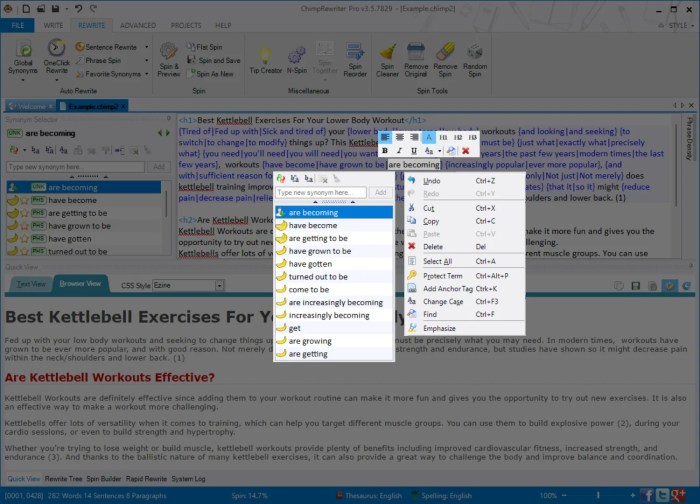
In summary, the Best Ai For Rewriting Articles Without Plagiarism Issues represents a significant advancement in the realm of content creation. By leveraging AI technology, writers can enhance their outputs, ensuring that their work remains unique and free from plagiarism. As AI tools continue to evolve, they promise to further simplify the rewriting process, allowing content creators to focus on their creativity while ensuring compliance with originality standards.
Helpful Answers
What are AI rewriting tools?
AI rewriting tools are software applications that utilize artificial intelligence to help rewrite existing content, making it more original while retaining its core message.
How do AI rewriting tools avoid plagiarism?
These tools employ algorithms and integrated plagiarism detection systems to analyze and modify text, ensuring that the output is unique and free from copied content.
Can AI rewriting tools improve writing quality?
Yes, they can enhance writing quality by providing suggestions, alternatives, and restructured sentences, making the content clearer and more engaging.
Are there free AI rewriting tools available?
Yes, there are several free AI rewriting tools, but they may offer limited features compared to premium options.
How do I choose the best AI rewriting tool for my needs?
Consider factors like user interface, customization options, plagiarism detection capabilities, and user reviews when selecting an AI rewriting tool.