Best Ai Copywriting Tools For High Converting Content
Best Ai Copywriting Tools For High Converting Content is a topic that has gained immense traction in today’s digital landscape. With businesses striving to create compelling and effective marketing content, AI copywriting tools have emerged as powerful allies. These innovative technologies not only streamline the writing process but also enhance the quality of content, making it more engaging and persuasive.
As we delve into this subject, we’ll explore how AI has transformed the copywriting field, the key benefits of leveraging these tools, and the features that make them stand out. You’ll discover the top options available and what to look for when selecting the right AI tool for your needs, ensuring that your content truly converts.
Overview of AI Copywriting Tools
AI copywriting tools are innovative software solutions designed to assist in the creation of written content. These tools leverage artificial intelligence and machine learning algorithms to generate high-quality, engaging text that can be tailored to various audiences and purposes. By analyzing data, understanding language patterns, and utilizing vast amounts of information, AI copywriting tools can produce content that resonates well with readers and drives conversions.The evolution of AI in copywriting has been rapid and transformative.
Initially, AI was primarily used for basic text generation, but advancements in natural language processing (NLP) and machine learning have significantly enhanced its capabilities. Today, AI can understand context, tone, and audience preferences, creating copy that is not only coherent but also compelling. This evolution has made AI an invaluable asset for marketers, entrepreneurs, and businesses aiming to produce effective copy at scale.
Key Features of Effective AI Copywriting Tools
When selecting an AI copywriting tool, several key features can determine its effectiveness and suitability for specific content needs. Understanding these features helps users maximize the benefits of such tools.The importance of these features lies in their ability to enhance productivity, improve content quality, and tailor outputs to meet specific marketing goals. Here are some of the key features to consider:
- NLP Capabilities: Advanced natural language processing allows the tool to generate human-like text that adheres to grammar and style conventions.
- Customization Options: Users can often customize tone, style, and format to align the generated content with their brand voice.
- Content Variability: The ability to produce multiple variations of the same piece allows for testing and refining of copy to see what resonates best with the audience.
- Optimization: Many tools offer features that help improve search engine rankings by suggesting s and optimizing text for better visibility online.
- Integration Capabilities: Compatibility with other marketing tools and platforms can streamline workflows and enhance efficiency.
- Real-time Editing and Suggestions: Some tools provide real-time feedback on the content being created, suggesting edits or improvements as the user types.
“AI copywriting tools represent a significant advancement in the efficiency and effectiveness of content creation, enabling businesses to connect with their audience like never before.”
In summary, understanding the core functionalities and advancements of AI in copywriting is crucial for leveraging its full potential in content marketing strategies. The right tools can not only save time but also improve the overall quality and effectiveness of marketing efforts.
Benefits of Using AI Copywriting Tools: Best Ai Copywriting Tools For High Converting Content
The growing popularity of AI copywriting tools reflects their significance in today’s fast-paced content creation landscape. These tools not only streamline the writing process but also enhance the effectiveness of marketing efforts. Embracing AI technology can lead to substantial improvements in content quality, efficiency, and conversion rates.AI-driven copywriting presents several advantages over traditional copywriting methods. It provides marketers with the ability to generate high-quality content quickly while maintaining consistency and relevance.
AI tools are capable of analyzing large volumes of data and user behavior, which allows them to tailor content that resonates more effectively with target audiences. This data-driven approach leads to better engagement and higher conversion rates.
Comparison of Traditional and AI-driven Copywriting
Understanding the differences between traditional copywriting and AI-driven copywriting can help businesses make informed decisions about content strategies. Here’s a closer look at how both approaches stack up:
Traditional copywriting often involves a lengthy process of brainstorming, drafting, and revising, which can be time-consuming and costly. In contrast, AI-driven copywriting is marked by speed and efficiency:
| Aspect | Traditional Copywriting | AI-driven Copywriting |
|---|---|---|
| Time Efficiency | Longer turnaround due to manual writing and revisions. | Rapid content generation with minimal revisions needed. |
| Cost | Higher costs for professional copywriters and extensive editing. | Lower costs as many tasks are automated. |
| Data Utilization | Limited data analysis; relies on writer’s intuition. | Robust data analysis for targeted content optimization. |
| Scalability | Challenging to scale up without additional resources. | Easy to scale content production to meet demand. |
Statistics support the effectiveness of AI tools in driving conversions:
“Companies that use AI-driven content strategies see an average increase in conversion rates by 20-30%.”
For example, a case study involving a leading e-commerce platform demonstrated that after implementing AI copywriting tools, they experienced a 25% increase in sales during promotional campaigns, attributed to more engaging and targeted product descriptions. These tools help marketers adapt messages in real-time based on consumer interactions, ultimately leading to higher retention and conversion rates.
Top AI Copywriting Tools
As businesses increasingly leverage digital marketing strategies, the demand for high-quality content has surged. AI copywriting tools have emerged as crucial resources for marketers, helping them generate engaging content that converts readers into customers. These tools not only save time but also enhance creativity and consistency in messaging.The following sections will explore some of the top AI copywriting tools available.
Each tool brings its own unique features, pricing models, and user experiences, making it essential to choose the right one for your specific needs.
Overview of Top AI Copywriting Tools
To assist with your decision-making, a comparison table has been crafted to highlight key features, pricing, and user ratings for each notable AI copywriting tool.
| Tool Name | Key Features | Pricing | User Ratings |
|---|---|---|---|
| Jasper AI | Templates for blog posts, ad copy generation, and optimization | $29/month for Starter | 4.8/5 |
| Copy.ai | Multiple writing styles, language options, and collaborative features | $35/month for Pro | 4.7/5 |
| Writesonic | AI article writer, landing page generator, and content rephraser | $15/month for Basic | 4.6/5 |
| Rytr | Over 30 use cases, tone customization, and plagiarism checker | $9/month for Saver | 4.5/5 |
Jasper AI is a robust AI writing assistant known for its extensive template library and ability to create -optimized content. It empowers users to generate blog posts, social media content, and ad copy quickly, making it a favorite among marketers. User testimonials frequently highlight its intuitive interface and effectiveness in enhancing productivity.Copy.ai stands out with its versatility, offering a range of writing styles and features suitable for both seasoned marketers and newcomers.
It allows for real-time collaboration, making it ideal for teams. Users appreciate its user-friendly design, and many report significant improvements in their writing workflow.Writesonic is particularly favored for its AI article writer, which can generate entire articles in various formats. It also includes a landing page generator, catering to marketers looking to boost conversions. User feedback often emphasizes its speed and quality, making it a valuable tool for content-heavy marketing strategies.Rytr, while being the most budget-friendly option, offers an impressive suite of tools for various content needs.
Its unique selling points include tone customization and the ability to check for plagiarism, ensuring originality in all written material. Users often express satisfaction with its affordability and the quality of content it generates, even at lower price points.Each of these tools has carved out its niche in the market, with users reporting positive experiences and outcomes that align with their content goals.
By evaluating the specific features and user feedback, businesses can find the right AI copywriting tool that aligns with their needs and enhances their content creation efforts.
Features to Look for in AI Copywriting Tools
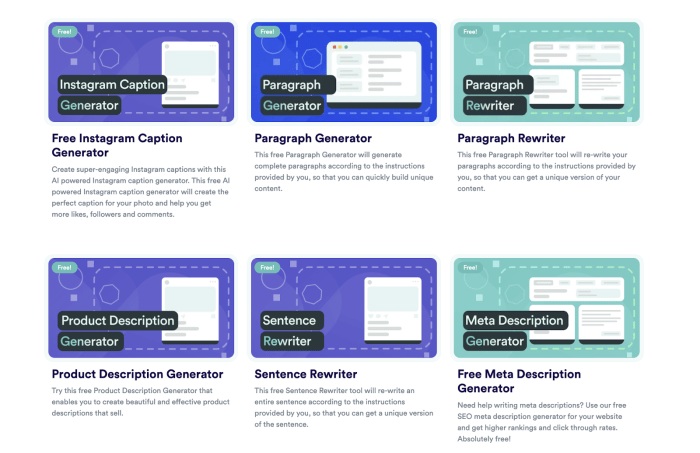
When selecting AI copywriting tools, understanding the key features that enhance content creation can significantly impact your writing experience and output quality. These features not only streamline the writing process but also ensure that your content resonates with the intended audience.An effective AI copywriting tool should have a range of features that enhance productivity and the quality of writing. User-friendly interfaces are crucial as they allow users, regardless of their technical expertise, to navigate the tool effortlessly.
A tool that is difficult to use may deter writers from using it to its full potential, leading to subpar content and lost opportunities.
Essential Features for Enhanced Content Creation
When exploring AI copywriting tools, consider the following essential features that can greatly improve your content creation process:
- Natural Language Processing (NLP): This allows the AI to understand and generate human-like text, making the content more engaging.
- Customization Options: The ability to tailor the tone, style, and format to suit specific audiences enhances relevance and effectiveness.
- Optimization Tools: Features that help in optimizing content for search engines, ensuring better visibility and reach.
- Plagiarism Detection: Ensuring originality is vital, and tools that check for duplicate content can safeguard your integrity.
- Content Expansion and Summarization: The ability to elaborate on points or condense ideas into concise summaries can be invaluable in various scenarios.
User-Friendly Interfaces
A user-friendly interface is essential in AI writing tools as it directly affects the user’s ability to create content efficiently. Simple navigation, clear instructions, and intuitive design can significantly reduce the learning curve. Tools that are overly complex may frustrate users, leading to inefficiencies and a lack of productivity.
Additional Features for Specific Industries
Depending on the industry, certain additional features may enhance the effectiveness of AI copywriting tools. Here’s a list of features tailored for various sectors:
- E-commerce Integration: For online retailers, features that generate product descriptions, reviews, and marketing emails can drive sales.
- Legal Compliance Checks: Tools for legal writers that ensure compliance with regulations can prevent costly mistakes.
- Medical Terminology Support: For healthcare content, features that understand and utilize medical jargon accurately can enhance credibility.
- Social Media Management: Integration with social platforms for creating posts and tracking engagement metrics can benefit marketers.
- Analytics and Reporting: Features that provide insights into content performance help in making data-driven decisions.
Comparison of AI Copywriting Tools
When it comes to selecting the right AI copywriting tool, understanding the differences between them can make all the difference in achieving high-converting content. Each tool offers unique features, performance metrics, and pricing structures, catering to various user needs whether you’re a solo entrepreneur or part of a large marketing team. This comparison will help you navigate the options available in the market today.To make the evaluation more straightforward, we’ve compiled a comparison chart that highlights several popular AI copywriting tools based on critical aspects such as features, performance, and pricing.
Comparison Chart of AI Copywriting Tools
The following table provides an at-a-glance view of key attributes for various AI copywriting tools, helping users make informed decisions based on their specific requirements.
| Tool Name | Key Features | Performance Rating | Price |
|---|---|---|---|
| Jasper | Optimization, Content Templates, Tone Adjustment | 4.8/5 | $49/month |
| Copy.ai | Blog Ideas, Social Media Content, Email Copy | 4.5/5 | $35/month |
| Writesonic | Landing Pages, Ad Copy, Long-form Content | 4.6/5 | $29/month |
| Rytr | Multi-language Support, Custom Tone, Collaboration Tools | 4.2/5 | $29/month |
Understanding the pros and cons of each tool can further assist you in deciding which one aligns best with your content creation goals.
Pros and Cons of Each Tool
Each AI copywriting tool comes with its own strengths and weaknesses that can influence your choice. Below is a concise overview of the advantages and disadvantages associated with each option.
-
Jasper:
- Pros: Highly versatile with extensive features for different types of content; excellent for .
- Cons: Can be on the pricier side for startups.
- Copy.ai:
- Pros: User-friendly interface; great for brainstorming and generating ideas quickly.
- Cons: Limited long-form content capabilities compared to others.
- Writesonic:
- Pros: Great for marketing copy; offers a wide range of templates.
- Cons: Performance can be inconsistent for long-form pieces.
- Rytr:
- Pros: Affordable with a good range of features; supports multiple languages.
- Cons: May lack advanced features present in higher-priced options.
User Scenarios for Tool Selection
Understanding how different tools can fit specific content needs is crucial. Here are a few scenarios that illustrate which tool might be best suited for varying content requirements.
Scenario 1
A small business owner needing -optimized blog posts would benefit from Jasper, as its features focus on content optimization and tone adjustment to match brand voice.
Scenario 2
A social media manager tasked with generating engaging social media content may find Copy.ai ideal due to its ease of use and quick generation of catchy headlines and captions.
Scenario 3
A digital marketing agency looking to create compelling ad copy and landing pages would likely prefer Writesonic, as it excels in providing templates specifically designed for marketing purposes.
Scenario 4
A startup needing a budget-friendly solution for diverse writing tasks could opt for Rytr, which offers good functionality at a lower price while still supporting collaboration tools.This comparison aims to equip users with the knowledge necessary to select the best AI copywriting tool tailored to their specific needs, enhancing the effectiveness of their content strategies.
Best Practices for Using AI Copywriting Tools
Integrating AI copywriting tools into your content strategy can significantly enhance efficiency and creativity. However, to truly reap the benefits of these technologies, it’s crucial to follow best practices that ensure quality and effectiveness. By being mindful of how AI-generated content is utilized, you can maintain authenticity while leveraging the power of automation.Understanding the nuances of AI copywriting is essential for creating high-converting content.
When done correctly, AI can act as a valuable assistant, helping you generate ideas, optimize messaging, and even refine tone. However, without proper guidelines, the technology can produce results that may lack the necessary human touch, which is vital in engaging your audience.
Dos and Don’ts When Using AI for Copywriting
Implementing a checklist of dos and don’ts can guide your use of AI tools effectively. Each point helps avoid common pitfalls while maximizing the potential of your AI-generated content.
- Do: Use AI to brainstorm ideas and generate Artikels. This can spark creativity and provide various perspectives on a topic.
- Do: Edit and refine AI-generated content to align with your brand voice. A human touch is essential for maintaining brand consistency.
- Do: Validate facts and figures presented in AI-generated copy. While AI can produce content quickly, accuracy is paramount.
- Don’t: Rely solely on AI for your content. Use it as a supplement rather than a replacement for human creativity.
- Don’t: Ignore the target audience’s preferences. Ensure that the AI-generated content resonates with your specific audience’s interests and needs.
- Don’t: Skip the proofreading stage. Always review AI-generated copy to catch errors and enhance readability.
Maintaining a Human Touch in AI-Generated Content
To ensure that AI-generated content remains engaging, it is essential to infuse it with a human touch. This practice not only enhances relatability but also cultivates a deeper connection with your audience.Integrating personal anecdotes or storytelling elements can turn an otherwise robotic piece into a more compelling narrative. This approach allows readers to engage with the content on a personal level, fostering trust and loyalty.
For instance, if an AI tool generates a list of tips, consider adding a brief story about a personal experience that illustrates those tips in action. Using conversational language and relatable examples can also make a significant difference. Instead of technical jargon, opt for simpler wording that resonates with readers. This makes the content more accessible and enjoyable, encouraging readers to engage further with your brand.
“AI is a tool, not a replacement; the best results come from the synergy of technology and human insight.”
Ultimately, balancing AI efficiency with human creativity can lead to high-converting content that resonates deeply with your audience while utilizing the advantages of modern technology.
Future of AI in Copywriting
The future of AI in copywriting looks promising, with technology evolving rapidly to enhance creativity and efficiency in content creation. As AI tools become increasingly sophisticated, they hold the potential to revolutionize how businesses approach copywriting, making it more data-driven and tailored to their audiences.Emerging trends in AI technology are set to reshape the landscape of copywriting in significant ways.
Natural language processing (NLP) has advanced to a point where AI can now generate content that is not only coherent but also contextually relevant. Additionally, machine learning algorithms are becoming adept at analyzing audience behavior, allowing for the creation of personalized content that resonates with specific demographics. This trend of hyper-personalization is expected to dominate the industry, enabling brands to engage their target audience more effectively.
Emerging Trends in AI Technology Impacting Copywriting, Best Ai Copywriting Tools For High Converting Content
The integration of AI into copywriting is marked by several key trends that businesses should monitor closely. These trends highlight the transformative potential of AI in creating high-converting content.
- Real-time Content Optimization: AI tools are now capable of analyzing performance data in real time. This means businesses can adjust their content strategies instantly based on audience engagement metrics.
- Voice Search Integration: As voice-activated devices become more common, AI copywriting tools are being optimized for voice search, leading to content that is more conversational and aligned with how people speak.
- Visual Content Generation: Advancements in AI are not limited to text. AI can now assist in creating visual content that complements written copy, enhancing overall engagement and retention.
The rise of AI-generated content also brings potential challenges and ethical considerations that businesses must navigate carefully. As AI becomes more prevalent, questions about authenticity, originality, and accountability in content creation arise. For instance, AI might produce text that inadvertently mirrors existing works, raising concerns over plagiarism.
Challenges and Ethical Considerations in AI-Generated Content
Understanding the challenges posed by AI in copywriting is crucial for maintaining integrity and quality in content.
- Plagiarism Risks: AI may generate content that is unintentionally similar to existing material, leading to accusations of copying and loss of credibility.
- Quality Control: While AI can produce content quickly, it may not always meet the nuanced expectations of human creativity and emotional resonance.
- Bias in Content: AI systems are only as unbiased as the data they are trained on. If the training data contains biases, the output may reflect those biases, potentially alienating segments of the audience.
To effectively prepare for future advancements in AI copywriting, businesses should adopt a proactive approach. Staying informed about technological advancements and integrating AI tools into their workflows can enhance efficiency and creativity. Training and upskilling teams to work alongside AI will ensure that human insights and creativity remain central to content creation.
Preparing for Future Advancements in AI Copywriting
Businesses can take strategic steps to harness the benefits of AI in copywriting while mitigating risks associated with its use.
- Invest in Training: Equipping teams with knowledge on AI tools will empower them to use these technologies effectively, enhancing overall output quality.
- Implement Ethical Guidelines: Establishing clear guidelines for the use of AI in content creation can help in addressing ethical concerns and ensuring quality.
- Embrace Collaboration: Encouraging collaboration between AI and human copywriters can lead to innovative content that leverages the strengths of both.
Last Point
In summary, the landscape of copywriting is evolving with the integration of AI tools, offering marketers unprecedented efficiency and effectiveness. By understanding the benefits and features of these tools, as well as best practices for their use, businesses can elevate their content strategies significantly. Embracing AI in copywriting not only enhances creativity but also drives higher conversion rates, positioning brands for future success in an ever-competitive market.
Detailed FAQs
What are AI copywriting tools?
AI copywriting tools are software applications that use artificial intelligence to assist users in creating written content, making the writing process faster and more efficient.
How do AI copywriting tools improve conversion rates?
These tools analyze data and trends to create persuasive content tailored to target audiences, significantly enhancing the likelihood of conversions.
Are AI copywriting tools suitable for all industries?
Yes, many AI copywriting tools are versatile and can be adapted for various industries, though some may have specialized features for specific sectors.
Can I use AI tools for social media content?
Absolutely! AI copywriting tools can generate engaging social media posts tailored to your brand voice and audience.
Do I still need a human editor when using AI copywriting tools?
Yes, while AI can generate content, having a human editor ensures the final product maintains a personal touch and aligns with your brand’s voice.