Best Free Ai Tools For Beginners Without Any Experience
Best Free Ai Tools For Beginners Without Any Experience opens the door to a world where technology meets accessibility, paving the way for novices to harness the power of artificial intelligence. Whether you’re looking to enhance your writing, design graphics, or analyze data, these tools simplify complex tasks and make AI approachable for everyone. Many beginners often feel intimidated by the perceived complexities of AI, but with the right resources, anyone can dive in and start leveraging these innovative solutions.
Understanding how AI tools can benefit beginners is crucial, as they can transform everyday tasks into streamlined processes. From automating mundane chores to providing creative inspiration, AI tools are revolutionizing various industries and empowering users without a technical background. Let’s explore the essential features these tools offer and how to get started on your AI journey.
Introduction to AI Tools
Artificial Intelligence (AI) tools have become integral in today’s digital landscape, especially for beginners who may lack extensive technical expertise. These tools are designed to enhance productivity, streamline processes, and facilitate innovative solutions across various industries including healthcare, finance, and education. By simplifying complex tasks, AI tools empower users to harness technology without needing a deep understanding of the underlying algorithms.One of the major advantages of AI tools is their ability to automate repetitive tasks, allowing individuals to focus on more creative and strategic initiatives.
For instance, AI-powered writing assistants help users generate content, proofread documents, and organize ideas with ease. Similarly, image recognition software can aid in sorting and categorizing visual data, making it accessible for users unfamiliar with coding or technical specifications. Despite their usefulness, misconceptions about AI tools persist, leading many beginners to believe that such technologies are only for tech-savvy individuals.
Accessibility of AI Tools for Beginners
AI tools are increasingly designed with user-friendliness in mind, aiming to break down barriers for those who may feel intimidated by technology. Many platforms offer intuitive interfaces that guide users through processes step-by-step. This accessibility is crucial as it opens the door for a wider audience to engage with AI technology.The following points highlight the key characteristics that make AI tools accessible for beginners:
- No technical background required: Most AI tools do not necessitate programming knowledge, allowing users to operate them with minimal training.
- User-friendly interfaces: Many AI applications feature dashboards and visual prompts that provide clear instructions, making navigation straightforward.
- Comprehensive tutorials and support: Various platforms offer educational resources, including video tutorials and forums, to help users get started and troubleshoot issues.
- Customization options: Users can tailor AI tools to meet their specific needs, enhancing their effectiveness without overwhelming complexity.
- Community engagement: Many AI tool platforms foster communities where users can share experiences, tips, and best practices, further easing the learning curve.
“AI tools are not just for experts; they are designed for everyone, enabling creativity and efficiency in everyday tasks.”
Key Features to Look for in Free AI Tools
For beginners venturing into the world of artificial intelligence, selecting the right tools can appear daunting. The range of options available can be overwhelming, making it crucial to identify features that simplify the learning curve while providing adequate support. Focusing on user-friendly interfaces and robust community resources can significantly enhance the experience for novices.When exploring free AI tools, it’s important to ensure they come with essential features that cater to the needs of beginners.
Here are some key aspects to consider:
User-Friendly Interfaces
A user-friendly interface is paramount for beginners who may lack technical expertise. An intuitive design reduces the time spent on learning how to navigate the tool and allows users to focus on the tasks at hand. Here are some characteristics that define a user-friendly AI tool:
- Simple Navigation: Look for tools that offer straightforward menus and clearly labeled functions.
- Visual Aids: Tools that incorporate visual elements, such as charts and graphs, are easier to understand and interpret.
- Customization Options: Personalizable dashboards help beginners tailor their experience according to their preferences and needs.
Customer Support and Community Forums
Access to excellent customer support and active community forums can make a significant difference for beginners. These resources provide assistance and foster a sense of belonging, which is essential when learning new technology. Notable features to look for include:
- Responsive Customer Support: Tools with live chat or email support options are beneficial for quick resolution of issues.
- Comprehensive Documentation: Detailed guides and FAQs help users troubleshoot common problems without external help.
- Active User Communities: Platforms with strong community forums offer shared experiences and solutions to common queries among users.
Some examples of free AI tools that embody these features include Google Colab, which combines user-friendly navigation with an active community, and Kami, known for its accessible interface and robust support resources. These tools exemplify how supportive environments can facilitate learning and empower beginners to harness the power of AI effectively.
Top Free AI Tools for Beginners
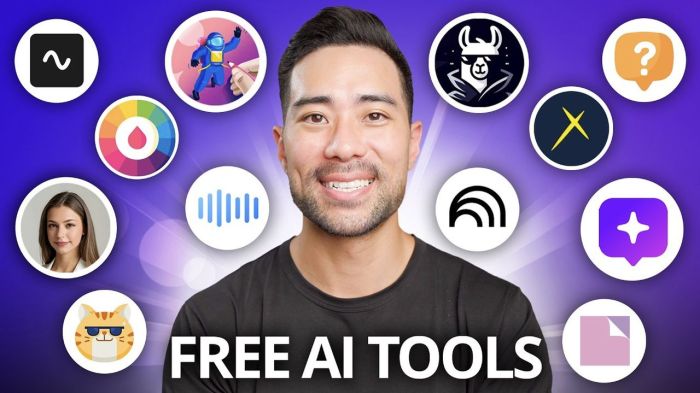
For those just starting their journey into the world of artificial intelligence, there are a plethora of free tools available that can assist in various domains such as writing, design, coding, and data analysis. These tools enable beginners to explore their interests, enhance their skills, and experiment with AI applications without requiring extensive technical knowledge.The following sections highlight some of the best free AI tools tailored for beginners, categorized for ease of understanding.
Each category presents tools that stand out due to their user-friendly features, accessibility, and capabilities.
Writing Tools
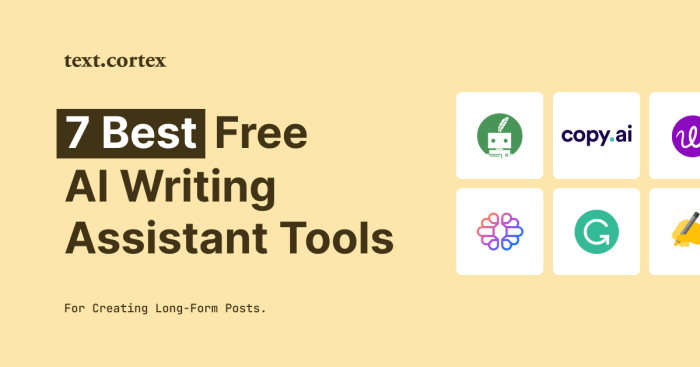
Writing is a fundamental skill in many fields, and utilizing AI can enhance creativity and productivity. Here are some of the top free AI writing tools:
- Grammarly: This tool offers grammar checking, style suggestions, and plagiarism detection to ensure your writing is clear and concise.
- QuillBot: QuillBot provides paraphrasing and summarization features, helping users to rewrite content while maintaining its original meaning.
- Chatbot Generators: Tools like Kami allow users to generate text based on prompts, making it easier to brainstorm ideas or craft narratives.
Design Tools
Design tools powered by AI can assist beginners in creating visually appealing content without needing extensive graphic design skills. Here are a few top options:
- Canva: Canva includes an array of templates and design elements, utilizing AI to suggest layouts and color schemes based on user inputs.
- DeepArt: This tool transforms photos into art by applying styles from famous paintings using AI techniques, perfect for unique social media posts.
- Remove.bg: An AI-powered tool that easily removes backgrounds from images, making it ideal for quick edits in design projects.
Coding Tools
For beginners interested in programming, AI-based coding tools can simplify learning and enhance coding efficiency. The following tools are noteworthy:
- GitHub Copilot: This AI pair programmer suggests code snippets and helps with code completion, making the coding process faster and more intuitive.
- Replit: An online coding platform that uses AI to offer real-time collaboration and debugging assistance, perfect for learning and working on projects.
Data Analysis Tools
Data analysis is crucial in many industries, and AI tools can help beginners make sense of data quickly and effectively. Consider these tools:
- Google Colab: A cloud-based platform that allows users to write and execute Python code for data analysis, complete with collaborative features and access to machine learning libraries.
- Tableau Public: This free version of Tableau allows users to create interactive data visualizations, facilitating the analysis of complex datasets.
Comparison of AI Tools
The following table compares the features of some of the listed tools, providing a quick reference for beginners to evaluate their options:
| Tool | Category | Key Features | Free Version Availability |
|---|---|---|---|
| Grammarly | Writing | Grammar checking, style suggestions, plagiarism detection | Yes |
| Canva | Design | Templates, design elements, AI suggestions | Yes |
| GitHub Copilot | Coding | Code suggestions, completion assistance | Limited access |
| Google Colab | Data Analysis | Python coding, collaborative features | Yes |
“Utilizing AI tools can significantly reduce the learning curve for beginners, allowing them to focus on creativity and problem-solving rather than technical complexities.”
Getting Started with AI Tools
As a beginner venturing into the realm of AI, it’s essential to take structured steps to familiarize yourself with various AI tools. These tools can unlock a world of possibilities for your projects, regardless of your prior experience. By following a systematic approach, you can not only set up your account but also navigate these platforms with ease and confidence.When beginning with AI tools, the first step is to choose a tool that aligns with your interests or project needs.
After selecting a tool, set up an account by visiting the official website and following the registration prompts. Most platforms require basic information such as your name, email address, and a password. Once registered, you can begin exploring the user interface. Here’s a simple guide on navigating a popular AI tool, such as OpenAI’s Kami:
Setting Up an Account and Navigating the User Interface
Creating an account with AI tools like Kami is straightforward. Here’s a quick overview of the process:
1. Visit the Website
Go to the official OpenAI website and find the Kami section.
2. Sign Up
Click on the “Sign Up” button. You’ll be prompted to enter your email and create a secure password.
3. Verification
Check your email for a verification link. Click it to confirm your account.
4. Explore the Dashboard
After logging in, you’ll be taken to the user dashboard. Familiarize yourself with the layout, including sections for new chats, settings, and help resources.Understanding the user interface is crucial for maximizing your efficiency with AI tools. Here are important components to note:
Main Work Area
This is where you type queries or prompts. The AI outputs will appear directly below your input.
Settings
Adjust your preferences, including notifications and account details.
Help Section
Access tutorials and FAQs for any questions or guidance you might need.To make the most out of these tools in your projects, consider the following tips:
1. Start Simple
Begin with basic queries to understand how the AI responds. Gradually increase complexity as you become comfortable.
2. Use Prompts Effectively
Experiment with different phrasing and instructions to see how the AI interprets them. The clearer your requests, the better the output.
3. Leverage Templates
Many platforms offer templates for various tasks, such as content creation or data analysis. Use these as a starting point to enhance your productivity.By approaching AI tools with a clear plan and an open mind, you can significantly enhance your project outcomes and overall skills.
Practical Applications of AI Tools: Best Free Ai Tools For Beginners Without Any Experience
AI tools have revolutionized the way beginners can tackle everyday tasks, making complex processes simple and accessible. With no prior experience required, these tools empower users to enhance productivity, streamline workflows, and spark creativity across various domains. Here, we’ll explore practical applications of AI tools and illustrate their effectiveness with real-world scenarios.
Common Tasks Simplified with AI Tools, Best Free Ai Tools For Beginners Without Any Experience
AI tools can significantly simplify numerous tasks across different fields. Understanding their applications can help beginners leverage technology without needing extensive expertise. The following list highlights key areas where AI excels:
- Content Creation: AI writing assistants can help generate articles, blog posts, and even social media content, saving time and enhancing creativity.
- Data Analysis: Tools like AI-powered spreadsheets can analyze large datasets, providing insights and visualizations that would take hours for a beginner to compile manually.
- Image Editing: AI tools can automatically enhance images, apply filters, or even remove backgrounds, making graphic design accessible to novices.
- Scheduling and Planning: Virtual assistants can manage calendars, schedule meetings, and send reminders, freeing users from administrative burdens.
- Language Translation: AI translation tools facilitate communication across language barriers, promoting inclusivity in global interactions.
Case Studies Illustrating AI Effectiveness
Real-life scenarios demonstrate how AI tools can transform workflows and improve outcomes for beginners. Here are two notable examples:
Case Study 1: A small marketing agency utilized an AI writing assistant to streamline its blog content creation. By training the AI on their specific style and tone, they increased blog output by 50%, allowing the team to focus on creative strategy rather than writing.
Case Study 2: An e-commerce startup implemented AI-powered chatbots for customer service. This reduced response times by 70% and improved customer satisfaction scores, proving that even small businesses can benefit from AI technology.
Infographic Design: Workflow of Using an AI Tool
Visual representation of processes can enhance understanding. An infographic outlining the workflow for using an AI writing assistant could include:
1. Input Stage
User inputs topic or s into the AI tool.
2. Processing Stage
The AI analyzes input and generates content based on learned patterns.
3. Editing Stage
User reviews and customizes the AI-generated content for personal touch.
4. Output Stage
Final content is published or shared across platforms.This infographic would visually depict each step, showcasing how straightforward the process is, even for beginners. The design could feature arrows connecting each stage and icons representing the actions, providing an engaging and informative overview of the workflow.
Community and Resources for Beginners
Engaging with a community is crucial for beginners who are diving into the world of AI tools. It not only helps to foster a supportive learning environment but also allows beginners to share experiences, ask questions, and learn from others who may have faced similar challenges. Connecting with like-minded individuals can significantly enhance your learning curve and provide valuable insights that books and tutorials might not cover.Participation in dedicated online communities can greatly enrich your understanding and application of AI tools.
Here are some key platforms where beginners can find support and resources:
Online Forums and Social Media Groups
There are several forums and social media groups tailored for novice users of AI tools, offering a space for collaboration, advice, and resources. These platforms are instrumental in building connections and gaining insights from experienced users.
- Reddit – r/learnmachinelearning: This subreddit is a hub for learners of all levels, focusing on machine learning and AI. Users can ask questions, share resources, and participate in discussions.
- Stack Overflow: A question-and-answer site for programming enthusiasts where you can ask specific questions related to AI tools and receive answers from experienced developers.
- Facebook Groups: Groups like “Artificial Intelligence for Beginners” serve as platforms for sharing knowledge, resources, and personal experiences within a community.
- Discord Servers: Many AI-focused Discord servers provide real-time chat with fellow learners and experts, often featuring channels dedicated to specific tools and topics.
The above-mentioned platforms can serve as great entry points for beginners to engage with others who share similar interests and challenges.
Free Educational Resources
Utilizing free resources can significantly expedite the learning process for beginners. There are numerous tutorials, webinars, and e-books available that cover a wide range of AI topics, allowing users to gain practical knowledge without financial burden.
- Coursera: Offers free courses on AI and machine learning from top universities, allowing users to learn at their own pace.
- YouTube Channels: Channels like “3Blue1Brown” and “Sentdex” provide visually engaging tutorials that break down complex AI concepts into understandable segments.
- Kaggle: This platform not only hosts datasets for practice but also offers free micro-courses on various data science and machine learning topics.
- OpenAI’s Blog: A valuable resource for staying updated on the latest advancements in AI, featuring articles that are accessible to beginners.
- E-books and PDFs: Websites like GitHub often host free e-books on AI and machine learning, making it easy for learners to access comprehensive guides.
The availability of these resources allows beginners to deepen their understanding of AI tools, making the learning process both effective and enjoyable.
Future Trends in AI Tools for Beginners
As artificial intelligence continues to evolve, new tools and features are being developed that cater specifically to beginners, making it easier for them to harness the power of AI. Understanding these future trends can help users stay ahead and make informed decisions on which tools to adopt. This section will explore the emerging trends in AI technology, anticipated features that could enhance user experience, and provide insights on how beginners can stay updated with the latest offerings.
Emerging AI Technologies and Features
The landscape of AI tools is constantly changing, with several trends anticipated to shape the future experience for beginners.
- Low-Code and No-Code Platforms: These platforms are designed to allow users to create applications and automate processes with minimal programming knowledge. They provide drag-and-drop functionalities, making AI accessible to a wider audience.
- Natural Language Processing Advancements: Future AI tools are expected to feature improved natural language processing capabilities. This will enhance user interaction, allowing users to communicate with AI tools in a more conversational manner, which is especially beneficial for beginners who may struggle with technical jargon.
- Personalized Learning Experiences: AI tools will increasingly adapt to individual user needs, offering personalized tutorials and recommendations based on the user’s learning pace and style. This feature will help beginners master tools more efficiently.
- Integration with Everyday Applications: The integration of AI tools into popular applications like Microsoft Office, Google Workspace, and social media platforms will make it easier for beginners to utilize AI without needing to switch between multiple platforms.
Anticipated Enhancements in User Experience
The future of AI tools is not just about new technologies but also about enhancing the overall user experience for beginners.
- Intuitive User Interfaces: Future tools are expected to feature more intuitive interfaces that cater to beginners. Simplified dashboards and guided workflows will minimize the learning curve.
- Real-Time Feedback Mechanisms: Incorporating real-time feedback will allow users to make immediate adjustments, improving their learning process and outcomes.
- Community Support and Collaboration: Enhanced community features, such as forums and collaborative projects, will provide beginners with opportunities to learn from each other and share best practices.
Staying Updated with AI Tool Developments
To keep pace with the rapid advancements in AI tools, beginners must actively seek out information and resources.
- Follow AI News Outlets: Subscribing to reputable technology news websites and blogs can provide regular updates on the latest AI trends and tools.
- Engage in Online Communities: Participating in forums, social media groups, and platforms like Reddit can help beginners connect with other users and gain insights into what tools are currently being favored.
- Take Online Courses: Enrolling in online courses focused on AI and machine learning can equip beginners with foundational knowledge and keep them informed about the latest developments in the field.
- Attend Webinars and Conferences: Engaging in webinars and industry conferences offers exposure to expert insights and networking opportunities, allowing beginners to learn directly from industry leaders.
“Staying informed about AI trends is crucial for beginners looking to leverage these technologies effectively.”
Summary
In conclusion, the landscape of AI tools is not just for seasoned experts; it’s filled with opportunities for beginners to learn and grow. By embracing the tools discussed, you can simplify tasks, enhance creativity, and join a vibrant community of users eager to share knowledge and experiences. As technology continues to evolve, staying updated on future trends will ensure that you remain at the forefront of AI innovations, ready to leverage them in your projects.
Questions Often Asked
What are AI tools?
AI tools are software applications that utilize artificial intelligence to perform tasks that typically require human intelligence, such as understanding language, recognizing images, or making predictions.
Do I need technical skills to use AI tools?
No, many AI tools are designed with user-friendly interfaces that allow beginners to use them without any technical background or coding skills.
Are free AI tools as effective as paid ones?
While free AI tools may have limitations compared to paid versions, they can still offer significant functionality and value, especially for beginners.
How can I learn to use AI tools effectively?
Many resources are available online, including tutorials, webinars, and community forums, that can help beginners learn how to use AI tools effectively.
Can AI tools be used for collaboration?
Yes, many AI tools offer features that facilitate collaboration, allowing users to work together on projects in real time.